Category: Mental Well-Being

  • What Are The Top 5 Foods to Increase Athletic Performance

    What Are The Top 5 Foods to Increase Athletic Performance

    According to Dr. Axe, the top five foods you should be eating will help with hydration, muscle building, recovery, and overall higher energy levels are:

    1. Coconut oil
    2. Chia seeds
    3. Quality whey or collagen protein
    4. Anti-oxidant rich berries
    5. Coconut water

    If you want to increase your athletic performance, then start consuming more of these top five foods!


  • The Elephant and The Ant ~ Listen to Bev and Jen

    The Elephant and The Ant ~ Listen to Bev and Jen

    This past Monday’s training on their weekly webinar was called“We Are Diamond” & “Cedarwood Essential Oil”.  Check it out.  Usually these are for our team but the training section was SO great I thought I would share it for everyone. Maybe your ant will get bigger than your elephant!


  • Adapting to Burn Fat as Fuel

    Adapting to Burn Fat as Fuel

    Alex Hutchinson

    New data highlights the pros and cons of a low-carb approach.

    I just got back from the American College of Sports Medicine annual meeting, so my notebook is loaded up with material from lots of interesting talks and posters, which I’ll be blogging through over the next few weeks. Some of the results, particularly from posters, are considered preliminary—i.e. they haven’t been peer-reviewed yet—so consider this a preview of results that will likely be published over the next year or so.

    First up, a look at some early data from Jeff Volek’s FASTER study. He and his colleagues brought in 20 elite ultrarunners to their lab at the University of Connecticut (Volek has since moved to Ohio State): 10 runners following a traditional high-carbohydrate diet (on average 58 percent carbs, 15 percent protein, 28 percent fat), and 10 following a low-carb, high-fat diet (11 percent carbs, 19 percent protein, and 71 percent fat).

    The headline result, presented in a poster by Patrick Davitt, is rates of fat oxidation, testing the claim that adapting to a high-fat diet will teach your body to burn fat at much higher rates than typically observed. Sure enough, during a progressive treadmill test to exhaustion, the high-fat group was able to burn fat at a rate of 1.54 grams per minute, about 50 percent higher than the high end of normal, compared to a maximum rate of 0.67 grams per minute in the high-carb group. The high-fat group also reached their maximal rate of fat burning at a higher relative intensity (70.25 percent of VO2 max) than the high-carb group (54.89 percent of VO2 max), which means they’re able to run faster while still burning fat at a high rate.

    Another poster from the same study, presented by Catherine Saenz, found no significant differences between the groups in testosterone levels before, during, and after a three-hour run. Baseline levels were 11.3 nmol/L in the high-carb group (with 95 percent between 7.4 and 15.2) and10.2 nmol/L (7.0 to 13.4)  in the low-carb group.

    Of course, there’s a flip side to fat adaptation. The high-carb group was able to burn carbs at a higher rate: 7.83 g/min versus 5.65 g/min. Which is better? That might depend in part on whether you’re able to ingest carbs while running without any problems.

    Another interesting point to consider is how quickly you need energy. The faster you run, the faster you need to supply your muscles with energy. For a 100-meter sprint, you won’t be burning any fat. Same goes for an all-out mile. The longer (and slower) the race, the more you’ll be able to rely on fat. Trent Stellingwerff, of the Canadian Sport Institute – Pacific, tweeted out an interesting slide from a talk he and Louise Burke gave at the conference:

    rw art burn fat
    Trent Stellingwerff @TStellingwerff Twitter

    On the right, the graph shows the number of calories per hour you can get by burning 1.54 grams per minute of fat (the figure from the fat-adapted runners in the FASTER study), and compares it to the caloric demands of an elite marathon or Olympic road cycling race. By his calculations, that calorie rate is sufficient for a 60-kilogram (132-pound) marathoner to run just over three hours. As noted, the longer the duration of the event, the closer you get to being able to meet your caloric needs with fat, which is why ultrarunners have been the most enthusiastic adopters of the high-fat approach.

    Stellingwerff also presented a nutritional case study from three very elite ultramarathoners (unofficially, the subjects were Rob Krar, Max King, and… not sure who the third one was). On average, during 100-mile races they reported consuming 76 grams per hour of carbohydrate along with “minor” amounts of fat and protein, for a total of 333 +/- 110 calories per hour. That’s a total of more than 5,000 calories of carbohydrate during a 16-hour race, which, as it happens, is right in line with the recommendations of conventional sports nutrition. It certainly seems to work well for Krar and King.

    The bottom line? It’s good to have research on this topic, rather than just anecdotal reports. For elite athletes in the vast majority of contexts, I remain skeptical that a low-carb approach is useful. But I do think the region on the far right of Trent’s graph above is interesting: once you get to Ironman durations and beyond, the numbers start to look a little more reasonable. And in contexts where refueling is difficult (e.g. long wilderness expeditions), it’s an intriguing idea.


  • TRIANGULATION ~ Tired of Dysfunctional Drama?

    TRIANGULATION ~ Tired of Dysfunctional Drama?

    Trying to keep toxic patterns out of your life?

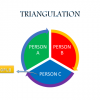
    Triangulation can be defined as indirect communication where one person acts as messenger between two others, often times altering or fabricating the message to suit the tale bearer’s objective.

    We can see this in families when one family member will not communicate directly with another family member, but will communicate with a third family member, forcing the third family member to then be part of the triangle.

    In the most dysfunctional sense, triangulation can also be used as a label for a form of splitting in which one person plays the third family member against one that he or she is upset about. This is playing the two people against each other, but usually the person doing the splitting, will try to obtain emotional support by vilifying the person the are speaking about.  They do this to preserve their self-esteem, by seeing the self as purely good and the others as purely bad.

    This can also be seen in the workplace, as well as, any group setting.

    Some reasons why this is ineffective include:

    1. When the message is for a person it is not directly delivered to it can become amplified or dulled (distorted).

    gossip-3-large2

    2. There is no guarantee that the middle man will deliver the message or assist with a productive bridge to help correct a problem.

    3. It can easily turn to gossip and the message (which may be distorted) may be carried to others who may not be productive in resolving matters.

    4. The communicator may have misjudged or incorrectly interpreted the other person’s behavior or intentions.  Taking the communication directly to the person is much easier that the round about route.

    5. It interferes with growth.  The person being talked about doesn’t have the ability to connect with or address the one who is expressing hurt.  The person avoiding direct communication would likely be empowered if encouraged to communicate directly with the one they are speaking about.

    6. It is very likely that the other person will be hurt or may become defensive when they find out that communication is occurring about them without them.

    7. If forgiveness is needed, it becomes blocked.


  • dōTERRA Juniper Berry Essential Oil

    dōTERRA Juniper Berry Essential Oil

    PRIMARY BENEFITS

    • Supports healthy kidney and urinary function
    • May benefit problematic skin areas
    • Acts as a natural cleansing and detoxifying agent
    • Helps relieve tension and stress

    PRODUCT DESCRIPTION

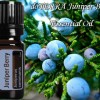
    Derived from the coniferous tree, Juniper Berry essential oil has a rich history of traditional uses and therapeutic benefits. Juniper Berry acts as a natural cleansing agent, both internally and externally. Juniper Berry supports healthy kidney and urinary function and is very beneficial to the skin. Its woody, spicy, yet fresh aroma has a calming effect that helps relieve tension and stress. When diffused, Juniper Berry helps to cleanse and purify the air.

    USES

    • Add 1–2 drops to water or citrus drinks as part of a natural cleansing regimen.
    • Apply 1 drop to problematic skin areas to promote a clear, healthy complexion.
    • Diffuse with citrus oils to freshen and purify the air and to lessen stress.

    DIRECTIONS FOR USE

    Diffusion: Use three to four drops in the diffuser of your choice.

    Internal use: Dilute one drop in 4 fl. oz. of liquid.

    Topical use: Apply one to two drops to desired area.

    Dilute with dōTERRA Fractionated Coconut Oil to minimize any skin sensitivity.

  • Why do I recommend that those struggling with addictions attend meetings?

    Why do I recommend that those struggling with addictions attend meetings?

    Why do I recommend that those struggling with addictions attend meetings? 

    I recommend that those struggling with addictions attend meetings because when they do, they have better success rates.  I see them becoming accountable to others who are honest with them AND at the same time they are loved in a very important way at a very crucial time.  Over time, these relationships have helped many people maintain sobriety and damaged lives are changed in miraculous ways.

    There are meetings for all different kinds of people.  It is recommended to attend 90 and 90 (90 meeting in 90 days) so that you find the right meetings for you.  One of these should become your “Home Group” and you will get a sponsor there and work the steps (a program of recovery with him or her).  Men work with men and women work with women.

    There may be a meeting where people are not serious about their recovery.  Do NOT attend these.  Some red flags may be: people planning using on breaks or saying they are there only to get their form signed for their PO.  Another red flag group may be one where people are there trying to pick up new member instead of working on their recovery.  This is called 13 stepping and a good group will call it out and stop it.  The groups that have successful recovery in them will not put up with nonsense.

    Take a look at some of the tools used in these settings…


    The Twelve Steps of Alcoholics Anonymous

    1. We admitted we were powerless over alcohol-that our lives had become unmanageable.
    2. Came to believe that a Power greater than ourselves could restore us to sanity.
    3. Made a decision to turn our will and our lives over to the care of God as we understood Him.
    4. Made a searching and fearless moral inventory of ourselves.
    5. Admitted to God, to ourselves, and to another human being the exact nature of our wrongs.
    6. Were entirely ready to have God remove all these defects of character.
    7. Humbly asked Him to remove our shortcomings.
    8. Make a list of all persons we had harmed, and became willing to make amends to them all.
    9. Made direct amends to such people wherever possible, except when to do so would injure them or others.
    10. Continued to take personal inventory and when we were wrong promptly admitted it.
    11. Sought through prayer and meditations to improve our conscious contact with God as we understood Him, praying only for knowledge of His will for us and the power to carry that out.
    12. Having had a spiritual awakening as the result of these steps, we tried to carry this message to alcoholics, and to practice these principles in all our affairs.                      

    The Twelve Traditions of Alcoholics Anonymous – Short Form

    1. Our common welfare should come first; personal recovery depends upon AA unity.
    2. For our group purpose there is but one ultimate authority-a loving God as He may express Himself in our group conscience. Our leaders are but trusted servants; they do not govern.
    3. The only requirement for AA membership is a desire to stop drinking.
    4. Each group should be autonomous except in matters affecting other groups or AA as a whole.
    5. Each group has but one primary purpose-to carry its message to the alcoholic who still suffers.
    6. An AA group ought never endorse, finance or lend the AA name to any related facility or outside enterprise, lest problems of money, property and prestige divert us from our primary purpose.
    7. Every AA group ought to be fully self-supporting, declining outside contributions.
    8. Alcoholics Anonymous should remain forever nonprofessional, but our service centers may employ special workers.
    9. Alcoholics Anonymous as such, ought never be organized; but we may create service boards or committees directly responsible to those they serve.
    10. Alcoholics Anonymous has no opinion on outside issues; hence the AA name ought never be drawn into public controversy.
    11. Our public relations policy is based on attraction rather than promotion; we need always maintain personal anonymity at the level of press, radio and films.
    12. Anonymity is the spiritual foundation of all our Traditions, ever reminding us to place principles before personalities.

    Alcoholics Anonymous got its start at a meeting in 1935 in Akron, Ohio, between a businessman named Bill Wilson and a physician, Bob Smith. “Bill W” and “Dr. Bob,” as they are now known, were alcoholics. Wilson had attained sobriety largely through his affiliation with a Christian movement. Smith stopped drinking after he met Wilson, whose success inspired him. Determined to help other problem drinkers, the men soon published what has become known as “The Big Book,” which spelled out their philosophy, principles and methods, including the now famous 12-step method. Alcoholics Anonymous was the book’s official title and also became the name of the organization that grew from it.

    In AA, members meet in groups to help one another achieve and maintain abstinence from alcohol. The meetings, which are free and open to anyone serious about stopping drinking, may include reading from the Big Book, sharing stories, celebrating members’ sobriety, as well as, discussing the 12 steps and themes related to problem drinking. Participants are encouraged to “work” the 12-step program, fully integrating each step into their lives before proceeding to the next.  AA targets more than problem drinking; members are supposed to correct all defects of character and adopt a new way of life.

    There are many off shoots of this group:  NA or Narcotics Anonymous, SA or Sexaholics Anonymous, MA or Marijuana Anonymous, CA or Cocaine Anonymous, GA or Gamblers Anonymous and many more.

    There are many other supportive resources and literature that I would recommend to those desiring help to stop addictions.  For example:


    HOW IT WORKS

    Rarely have we seen a person fail who has thoroughly followed our path. Those who do not recover are people who cannot or will not completely give themselves to this simple program, usually men and women who are constitutionally incapable of being honest with themselves. There are such unfortunates. They are not at fault; they seem to have been born that way. They are naturally incapable of grasping and developing a manner of living which demands rigorous honesty. Their chances are less than average. There are those, too, who suffer from grave emotional and mental disorders, but many of them do recover if they have the capacity to be honest.

    Our stories disclose in a general way what we used to be like, what happened, and what we are like now. If you have decided you want what we have and are willing to go to any length to get it—then you are ready to take certain steps.

    At some of these we balked. We thought we could find an easier, softer way. But we could not. With all the earnestness at our command, we beg of you to be fearless and thorough from the very start. Some of us have tried to hold on to our old ideas and the result was nil until we let go absolutely.

    Remember that we deal with alcohol—cunning, baffling, powerful! Without help it is too much for us. But there is One who has all power—that One is God. May you find Him now!

    Half measures availed us nothing. We stood at the turning point. We asked His protection and care with complete abandon.

    Here are the steps we took, which are suggested as a program of recovery:

    1. We admitted we were powerless over alcohol—that our lives had become unmanageable.

    2. Came to believe that a Power greater than ourselves could restore us to sanity.

    3. Made a decision to turn our will and our lives over to the care of God as we understood Him.

    4. Made a searching and fearless moral inventory of ourselves.

    5. Admitted to God, to ourselves, and to another human being the exact nature of our wrongs.

    6. Were entirely ready to have God remove all these defects of character.

    7. Humbly asked Him to remove our shortcomings.

    8. Made a list of all persons we had harmed, and became willing to make amends to them all.

    9. Made direct amends to such people wherever possible, except when to do so would injure them or others.

    10. Continued to take personal inventory and when we were wrong promptly admitted it.

    11. Sought through prayer and meditation to improve our conscious contact with God as we understood Him, praying only for knowledge of His will for us and the power to carry that out.

    12. Having had a spiritual awakening as the result of these steps, we tried to carry this message to alcoholics, and to practice these principles in all our affairs.

    Many of us exclaimed, “What an order! I can’t go through with it.’’ Do not be discouraged. No one among us has been able to maintain anything like perfect adherence to these principles. We are not saints. The point is that we are willing to grow along spiritual lines. The principles we have set down are guides to progress. We claim spiritual progress rather than spiritual perfection.

    Our description of the alcoholic, the chapter to the agnostic, and our personal adventures before and after make clear three pertinent ideas:

    (a) That we were alcoholic and could not manage our own lives.

    (b) That probably no human power could have relieved our alcoholism.

    (c) That God could and would if He were sought.

    Reprinted from the book Alcoholics Anonymous ® Copyright © 1939, 1955, 1976, 2001 by A.A. World Services, Inc


    THE STORY OF THE LOTUS EATERS

    About 3000 years ago, the poet Homer told a story about a man called Odysseus and his voyage home to Greece following the Trojan Wars. Odysseus and his men met up with many exciting adventures along the way, but the most relevant to us is the story of his landing on the Island of the Lotus Eaters.

    The island was so beautiful that Odysseus wanted to stay there a while and rest up. So he sent a couple of scouts to see if the natives were friendly. Odysseus waited and waited, but the scouts never returned.

    What had happened was this: the scouts had indeed met up with the locals, the Lotus Eaters, who turned out to be very friendly. The Lotus Eaters even shared their food with the scouts. But the food — the lotus — was a kind of dope, and the scouts got wasted from it and forgot all about Odysseus, their mission, getting back to Greece…everything. All they wanted to do was hang out, eat lotus, and get high.

    Lucky for them, Odysseus came and dragged them kicking and screaming back to the ship. He tied them to their seats and ordered the crew to row like hell, in case anyone else might eat the lotus and forget the way home.

    The story of Odysseus is about more than just a Greek guy in a boat. It’s about the journey people take through life and the obstacles they meet along the way. The story of the Lotus Eaters speaks particularly to us dopeheads. As addicts, we were stuck in a Lotus Land; we forgot our mission; we forgot the other adventures that awaited us; we forgot about going home.

    Luckily, we each had within us our own Odysseus, our own Higher Power, which grabbed us by the collar and threw us back into the boat. So now we’re rowing like hell. We may not know what’s going to come next, but we’re back on our way through life again.

    Adapted from the
    July, 1991 issue of
    A New Leaf


    GO TO A MEETING!

  • Why is Protein Important?

    Why is Protein Important?

    Dr. Axe shares about the importance of protein and how it can benefit your physical performance and overall health. Whether you’re a weekend warrior, trying to lose weight, or a regular athlete, protein benefits everyone. Protein is the building block of our cells and muscles. It improves your metabolism, fat-burning potential, and supports your body’s tissues and cells. The average person needs about half their body weight in protein. If you weigh 150 pounds, then you need about 75 grams of protein a day. The best forms of protein you should be consuming are grass-fed beef, organic chicken and turkey, wild caught salmon, grass-fed organic dairy product, quality protein powders, plant-based sources of protein, flax and chia seeds, and other nuts and seeds and beans. 

    The biggest benefits of consuming protein include fat-burning, improving muscle recovery, healing cuts and wounds, essential for fighting diabetes and blood sugar, essential for brain function, essential for cholesterol, and high energy levels. When buying protein, making sure it’s from grass-fed, organic, natural sources is vital because it’s important in terms of healing your body.


  • Reveal Facial System

    Reveal Facial System

    PRODUCT DESCRIPTION

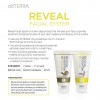
    Enjoy a spa-like facial treatment in the comfort of your home with the Reveal Facial System—a carefully formulated, two-step process that gives your skin an amazing, youthful glow.

    Step 1:

    Refining Polish—purify and cleanse with tiny polishing beads, botanical enzymes, and Wild Orange and Lime essential oils as you exfoliate away dead skin cells and impurities, promote healthy circulation, prompt collagen and other skin-saving substances, and increase your skin’s ability to absorb important nutrients and moisture with a luxurious, light massage.

    Step 2:

    Peptide Activator—support and strengthen as you deliver the vital nutrients and peptides that your skin needs.


    Key Ingredients And Benefits

    • Wild Orange and Lime CPTG Certified Pure Therapeutic Grade® essential oils provide a cleansing and purifying boost to the skin.
    • Pumpkin Enzyme assists in the exfoliation process without stressing or irritating the skin, removing dead skin cell buildup and stimulating cell rejuvenation.
    • Important peptides that help strengthen and condition helps strengthen the surface of the skin.

    DIRECTIONS FOR USE

    • Use once or twice a week, or as needed, morning or night.
    • Wash face thoroughly with a doTERRA face wash.
    • Place a thin layer of Step 1: Refining Polish on damp, freshly cleaned skin.
    • Massage gently in upward circular motions for 1 to 2 minutes. Do not wash off until Step 2 is complete.
    • Place a thin layer of Step 2: Peptide Activator onto the skin over Step 1: Refining Polish to activate the polishing beads. Continue to massage for an additional 1 to 2 minutes. This step may cause slight foaming and a warm, tingling sensation.
    • Rinse off with warm water or a damp towel.
    • Proceed with your regular facial routine of toner, serum, and moisturizer. For best results, use the Reveal Facial System in conjunction with doTERRA Essential Skin Care products.
  • Top 9 Herbs for Mental Health – Global Healing Center

    Top 9 Herbs for Mental Health – Global Healing Center

    By Dr. Edward F. Group III, DC, ND, DACBN, DCBCN, DABFM

    Ever find yourself unable to remember what you did just two minutes ago? Or maybe you experience brain fog more often than you’d like. These days it seems to happen more frequently to all of us. Information overload, stress, and even the assortment of environmental toxins which assault us on a daily basis can impact brain function. While I recommend diet, exercise, and reducing electronic activity as the best ways to get the brain back to working order, sometimes we need a little help to restore mental balance. The following nine herbs have a traditional history of promoting mental health.

    1. Mulungu Bark

    The indigenous people of South and Central America have used mulungu for centuries to calm nerves, improve mood, and aid sleep. Erythravine, one of mulungu’s active alkaloids, may also help reduce anxiety and protect brain function.  Flavonoids present in this herb are known antioxidants and have been shown to support cardiovascular health and a healthier brain.

    2. Bacopa

    Commonly known as Brahmi, Ayurvedic medicine uses bacopa to improve memory, reduce stress, and support cognitive function. Researchers observed cortisol — the body’s stress hormone– decreased in study participants who took bacopa compared with those taking a placebo.  Additional research indicates it may support the physical health of brain cells and offer some protection against brain aging and age-related diseases such as Alzheimer’s disease. 

    3. Mucuna pruriens

    Mucuna contains L. dopa, a biochemical precursor to several neurotransmitters. One of those neurotransmitters is dopamine, and increasing dopamine levels may improve brain function and support memory. This effect probably contributes to Mucuna’s popularity as an anti-aging herb. Antioxidant properties linked to Mucuna also discourage inflammation and suggest protective effects for neurons. 

    4. Rhodiola Rosea

    This traditional medicinal herb contains two powerful natural compounds that have been proven to play a role in brain health. Salidroside is one of these compounds and is known as a potent antioxidant. Rosin is the other, and this compound appears to reduce inflammation of neural cells, possibly protecting against neurotoxicity.  The results of one Swedish study showed that both of these compounds reduced fatigue, improved mood, and lowered stress hormones.  This may lead to better mental performance and a more positive response to stress and anxiety.

    5. Zizyphus jujuba

    Also known as “sour date,” Zizyphus jujuba is one of the many herbs that may support mental health while encouraging a good night’s rest. Day-to-day activities can be draining on energy levels, not to mention mental strength. The plant’s saponins have demonstrated sedative effects on animal models, possibly supporting relaxation. 

    6. Passiflora incarnata (passionflower)

    This traditional herbal sedative has been used as a sleep aid for years. Passionflower also appears to help relieve anxiety, a major cause of sleep disturbance for many individuals. Without a good night’s sleep, mental acuity becomes compromised and memory also degrades. Initial studies indicate consuming low doses of passionflower in a tea helps healthy adults achieve better sleep.

    7. Scutellaria lateriflora (skullcap)

    Native to North America, this plant has a history of use for calming nerves, easing stress, lifting the mood, and aiding sleep. Research suggests it possesses mood enhancing effects and its antioxidant properties may provide significant protection for the brain against the damaging effects of inflammation. 

    8. Kava

    The clear oceans and sandy beaches of the South Pacific may be ideal for reducing stress and promoting relaxation. For those of us unable to get there at the moment, kava may offer a positive alternative. Used traditionally to relieve stress, anxiety, and insomnia, kava contains compounds known as kavalactones. These compounds offer non-opiate and non-narcotic alternatives against anxiety. Some studies indicate kavalactones perform as well as certain pharmaceutical drugs. 

    9. Saffron

    Saffron, also known as Crocus sativus, does more than add color and flavor to food. It has a long history of use for mood disorders, stress, and anxiety. Studies have also found it as effective as antidepressants for lifting mood and relieving anxiety, significantly outperforming placebo in clinical trials.]

    Further Approaches to Brain Health

    Herbs aren’t the only way to keep the brain sharp and running smoothly. Two naturally-occurring minerals do wonders for memory, focus, and overall health. These minerals are:

    Lithium Orotate

    This mineral protects the brain from the damaging effects of environmental toxins. In doing so, lithium may offer anti-aging benefits, and studies have shown it to increase grey matter in the brain.  It also supports a positive mood and positive responses to stress and anxiety. Unlike other lithium drug forms, lithium orotate easily passes through cell walls for greater bioavailablity to mitochondria, glia, and lysosomes. This means smaller doses work better, making it safe and thereby reducing the chance of side effects.

    Zinc Orotate

    Dr. Hans Nieper discovered zinc orotate was more easily assimilated by the human body. This neutrally-charged form of zinc crosses cell membranes, getting where it’s needed most to support hormone production and balance, metabolism, tissue growth, and nerve function.

    A Final Thought

    You can easily find many of these herbs and minerals in individual preparations, although formulations which combine extracts of these plant materials increase the overall effect on mood and mental health. The reason is simple: the human body isn’t a simple machine with an easy solution for problems, especially those involving mood and mental health. Rest, sleep, and exercise remain the best place to start for reducing feelings of fatigue and mental cloudiness. Sometimes the body needs help to restore balance and find shelter from environmental toxins.

    http://www.globalhealingcenter.com/natural-health/top-9-herbs-mental-health/

  • Essential Oils for Weight Loss

    Essential Oils for Weight Loss

    In today’s video, Dr. Axe talks to you about essential oils for weight loss. So many people want to burn fat and lose weight fast in a safe way. Essential oils alone can’t get you to lose 20 pounds, however, it helps support your body in losing weight. There are three main essential oils that can help your body in weight loss. 

    The number one essential oil is grapefruit oil. It helps to activate enzymes in your saliva that help your body break down body fat. The oil of grapefruit comes from the peel, which helps support metabolism and cleansing of your lymphatic gland.

    The second essential oil to support weight loss is cinnamon oil. Cinnamon oil helps regulate blood glucose levels and GTF (glucose tolerance factor).

    The third oil that helps the body with weight loss is ginger essential oil. Ginger reduces sugar cravings, reduces inflammation in the body, and improves digestion and absorption of nutrients. This process supports cellular energy, which in turn, helps with weight loss.

    If you’re looking to lose weigh with the help of essential oils, he would recommend grapefruit, cinnamon, and ginger essential oils. You can diffuse it or apply it topically with coconut oil.