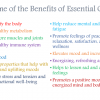
This video explains why using doTERRA Coriander Essential oil on your skin has wonderful benefits.
Category: Mental Well-Being
-
doTERRA Coriander Essential Oil Tip for the Skin
-
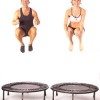
11 Ways To Reduce Inflammation, Improve Your Immunity and Cleanse Your Lymphatic System FitLifeTV
Drew with FitLifeTV describes some tips for reducing inflammation, improving immunity and cleansing your lymphatic system.
The lymphatic system contains twice as much liquid as the blood vessels, it lacks a pump, such as the heart, to carry waste from the lymph glands out of the body. Because there is no pump, if we are not regularly cleansing the body to release these toxins, our body begins to slow down, resulting in a weakened immune system, inflammation and often times, illness and disease. Because of this, it depends on muscle contraction and manual manipulation to move fluid. Pretty crazy, right?
Think about it – we have YEARS of built-up toxins just sitting in our body. It’s like letting the animals out of the zoo and into the wild!
But toxins aren’t fun and they cause imbalance to our system so it’s important to cleanse the body to remove these nasty things and keep your body working with and for you.
Interesting (and important) Facts To Know About Your Lymphatic System
Our cells duplicate every 90 days – that means, if you have “sick” cells, they will continue to duplicate “sick” cells unless you cleanse and detox your body regularly.
There are 600 to 700 lymph nodes in the human body that filter the lymph before it returns to the circulatory system.
The lymphatic system is a network of tissues and organs that primarily consists of lymph vessels, lymph nodes and lymph. The tonsils, adenoids, spleen and thymus are all part of the lymphatic system.
Lymphatic comes from the Latin word lymphaticus, meaning “connected to water,” as lymph is clear.
The lymphatic system, which is a subset of the circulatory system, has a number of functions, including the removal of interstitial fluid, the extracellular fluid that bathes most tissue. It also acts as a highway, transporting white blood cells to and from the lymph nodes into the bones and antigen-presenting cells to the lymph nodes.
There are two drainage areas that make up the lymphatic system. The right drainage area handles the right arm and chest. The left drainage area clears all of the other areas of the body, including both legs, the lower trunk, the upper left portion of the chest and the left arm.
Get your body moving!

-

The Amazing Liver and Gallbladder Flush Recipe
Have you heard of a Gallbladder Flush? It can be so beneficial for your body and may prevent gallbladder surgery!
-

INTERPERSONAL STYLES
Here are four major Interpersonal Styles. In examining them it is clear for health reasons why some are more preferred. However, all may be necessary at some point. For example, if you are in a bank and it gets robbed. It may benefit you to be quiet and not draw attention to yourself. However, if this is your preferred style, you may have great difficulty having your needs met. Let me explain each style in more detail.
Aggressive
The Aggressive Interpersonal Style looks to have his/her own needs met even at the expense of others. Behavior associated with this style may include verbally attacking someone else, being controlling, provoking, and maybe even physically intimidating or violent. This style can leave the person using it and those connected with this person angry and resentful. Over the long run using this style most often could be damaging emotionally and physically.
Assertive
The Assertive Interpersonal Style seeks what is best for self and others. Often this person will try to find a win- win so as to benefit both parties in a matter. Behaviors associated with this style involve knowing what others feel and want as well as themselves. It also involves expressing feelings and needs directly and honestly without violating the rights of others. At all times people using this style are accepting responsibility for their feelings and actions.
Passive Aggressive
The Passive Aggressive Interpersonal Style seeks what is best for self while appearing to care for the needs of another. Often the person feels angry as a result of an issue but rather express their feelings directly he/she retaliates in an indirect manner. This type of behavior can cause confusion. The person on the receiving end feels hurt or attacked but can’t be exactly sure how or why. The person behaving passive aggressively can act like he/she has done nothing at all. Others are left hurt or confused but this style is not likely to take ownership for what he or she has done.
Passive
The Passive Interpersonal Style seeks what is best for others at his or her own expense. Behaviors associated with this style may involve withdrawing in an attempt to avoid confrontation. He/she may be fearful or just quiet. Passive people let others think for them, make decisions for them, and tell them what to do. This style often insures that others needs are met but rarely have their own needs met.
Now that we have looked at each of the styles, which style would you say is the predominant style for you? Are you pleased with that or would you like to change something?

-

Empathy
Empathy is a form of openness. It is a communication skill. It is important for effective communication to occur. Here is a model for how to communicate empathy:

It’s important when you are sharing what you observed to be specific with details and try to give the person’s exact words. Try not to use labels or guesses in the observation part of your statement. The Inference is the next section. Try to make sure to communicate this in such a way that the other person knows that it is a guess and not a fact. In the third part of this skill, you will return the focus to the person. It is best to ask open ended questions and use you listening skills.
It may look something like this:
(Observation) I noticed that your tone got louder when you said “I can’t take this anymore!” Your face was red and your hands hit the table loudly too.
(Inference) I am guessing that something is upsetting you and you have been trying to be patient for a while.
(Return of Focus) How does that sound to you?
At first, some communication skills feel awkward. But after practicing, everyone involved benefits and is able to feel respected.
-

How Does Stress Impact Your Body
There are types or forms of stress. Eustress is stress that we like (basketball games, running, etc). Distress is stress that we do not like (bills, conflicts, difficulties with work etc). Both can be harmful if we do not give ourselves a break. Take a look at what the doctors say about stress.
-
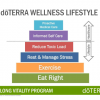
dōTERRA™ Wellness Philosophy
dōTERRA™ Essential Wellness is a company founded on a wellness philosophy of healthy lifestyle choices and informed proactive participation in one’s own healthcare alternatives. dōTERRA’s Certified Pure Therapeutic Grade™ essential oils and other wellness products are specifically formulated to support a wellness philosophy of eating right, exercising, resting and managing stress, and reducing toxic load. dōTERRA also teaches informed self care alternatives and encourages people to take a proactive role in their medical care. Our mission as a company is to teach people to live more healthy, productive lives and to share with others the blessing of a lifetime of wellness.

Eating Right
Eating right is a matter of quality and quantity. Our diets should be rich in foods with an abundance of antioxidants, vitamins, minerals, and enzymes. A healthy diet also includes low-fat sources of protein, moderate amounts of complex carbohydrates, and limited fats. Eating right means choosing fresh, whole, unprocessed foods and avoiding foods that are over processed and contain high levels of simple sugars and saturated fats. The dōTERRA philosophy of eating right also includes the daily consumption of dietary supplements to ensure optimal levels of key nutrients that are essential for longevity and wellness.
Exercising
Regular, moderate exercise is essential for optimal physical and emotional wellness. Coupled with eating right, regular exercise can help one maintain healthy body weight and composition. Healthy activity begins with taking the stairs, walking to lunch, and generally having a “mentality of movement.” A more complete exercise program includes aerobic activity, flexibility exercise, and strength training.
Rest and Manage Stress
Living healthy includes appropriate time for rest and relaxation. Regular sleep is an often skipped, but essential practice for optimal health. Managing stress is also important to maintaining good health. When we do not allow our bodies appropriate time for rest and regeneration, we can compromise our immune defenses and may become more prone to infection and disease. Chronic stress remains a significant health threat and has been tied to numerous degenerative conditions.
Reduce Toxic Load
In spite of our best efforts to practice good wellness habits, we can be exposed to toxic environmental stressors that can have deleterious effects on our health. Common toxic stressors include overexposure to UV rays, toxic ingredients in products throughout our homes, and chemical pollutants in our air and water. Being aware of these toxic threats to our health and choosing products that provide protection and peace of mind from such toxins are also important to optimal wellness.
Informed Self Care
When we experience sub-optimal heath conditions, there are many self-care alternatives that can provide safe and effective relief of symptoms and long-term solutions to problems. Reaching for a prescription or over-the-counter drug may not always be the best first alternative to taking care of one’s self when sick. dōTERRA’s therapeutic-grade essential oils and other wellness products are formulated to support the body’s own natural ability to keep itself healthy and can be used effectively in combination with traditional and alternative medical practices. (dōTERRA’s wellness products have not been evaluated by the Food and Drug Administration and are not intended to diagnose, treat, cure, or prevent any disease.)
Proactive Medical Care
When a person is suffering from acute sickness or has been diagnosed with a disease, it is important they seek out competent and qualified medical professionals for immediate help. It is also important they take a proactive role in their personal course of treatment by learning as much as they can about their health challenge and choosing a physician who will both inform and be open to information.

Following these healthy practices of eating right, exercising, resting and managing stress, reducing toxic load, practicing informed self care, and taking a proactive role in one’s medical care, coupled with the regular use of dōTERRA’s essential wellness products will help one live a healthier, longer life.
© 2008 DoTerra Holdings, LLC, Unauthorized duplication strictly prohibited.
-
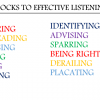
Blocks To Effective Listening
Just being quiet while someone talks DOES NOT constitute good listening. To be capable listener, you MUST collaborate in the process by asking questions and getting feedback from the speaker to determine if you are understanding him or her correctly. The goal is to give the speaker the feeling of having been HEARD.
The first step to becoming a good listener is to become aware of the ways in which you distract yourself from giving your complete attention to the task. The following is a list of the twelve blocks to good listening. Some of them you may recognize as ways you typically block yourself from effective listening.
COMPARING
Trying to figure out, while the other is speaking, who is better/has more/does something less, etc. in any number of categories.
MIND READING
Ignoring what the person is saying and trying to figure out what he/she really means. You may just assume that you already know what is going to be said or what the speaker means without using any paraphrasing or asking any questions to confirm YOUR belief.
REHEARSING
You are so busy rehearsing what you are going to say next, that you don’t pay any attention to what is being said.
FILTERING
You hear only that which you want to hear and you screen out everything else.
JUDGING
You discount the speaker’s value for you and, having thus written him/her off, you don’t pay much attention to what he/she has to say.
DREAMING
You listen half-heartedly until something the speaker says sends you off into your own world, thinking about some similar aspect of your own life.
IDENTIFYING
As the speaker shares his/her experience, you relate it back to your own life. (This is similar to dreaming.)
ADVISING
You listen to only a few sentences and then begin to search for and offer advice. Frequently, you miss hearing the speaker’s feelings and/or the full scope of what the speaker hoped to get across, leaving the speaker feeling misunderstood when you offer your premature advice.
SPARRING
You focus on finding things to disagree with and then begin arguing and/or debating with the speaker. The speaker never has an opportunity to feel understood because you are so quick to disagree.
BEING RIGHT
You will go to any lengths to avoid being “wrong,” including reciting a litany of the speaker’s past errors, shouting, rationalizing, making excuses, and accusing the speaker of other transgressions.
DERAILING
You change the subject if you get bored or uncomfortable with the topic being discussed. The more anxious or bored you get, the more frequently you change the subject.
PLACATING
You agree with everything the speaker says in order to be liked or to avoid conflict. You turn on your “Awn-Haw Machine,” and half-listen, but only for questions such as “What do you think?” To which you may respond, “I’m not sure” or “I don’t know, you’re probably right.”
-

Happy Father’s Day
Ozarks Wellness Center wishes all the fathers out there a very happy Father’s Day!