Category: Mental Well-Being

  • Stress and Depression

    Stress and Depression

    Studies show that higher levels of cortisol increase risk for depression.  Chronic increased stress or high cortisol levels can be very harmful to a person in many different ways.  It is not just a mental health concern, although for a long time most in the mental health field have known this.  Increased stress levels, especially over long periods of time,  impact a person’s physiology and can also increase the negative aspects of physiological aging such as memory and other intellectual difficulties.

    What are ways to decrease the negative impact of stress?

    1.  Physical Activity
      1. Running
      2. Swimmingdynamic swimmer on swimming lane
      3. Biking
      4. Walking
      5. Gardening
      6. Dancing
    2. Nutrition
      1. Avoid Processed Foods
      2. Avoid Tea, Coffee, and Energy Drinks (Caffeine)
      3. Avoid Alcohol
      4. Avoid the Simple Sugars and Starches (chips, cakes and ice cream)
      5. Eat Leafy Green Vegetables (Complex Carbohydrates)
      6. Eat Fruits and High Fiber Foods (Complex Carbohydrates)
      7. Increase Vitamin C
      8. Be Sure You Are Getting The Correct Amount of Magnesium and Vitamin D in Your Diet
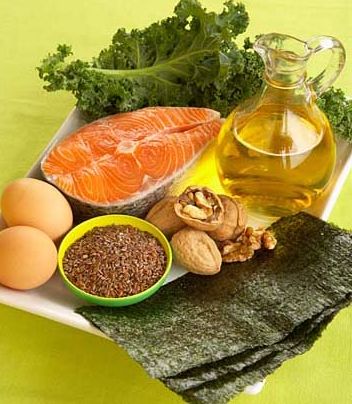
      9. Be Sure You Are Getting The Correct Amount of Omega-3 Fatty AcidsSource_of_omega_3
      10. Be Sure You Are Getting The Correct Amount of Water
      11. Healthy Comfort Foods
        • Dark Chocolate
        • Oatmeal

        Herbal Supplements and Teas

        • Chamomile
        • Mint
        • Barley tea
        • Passion flower
        • Valerian root
    3. Rest
    4. Pay Attention to Your Thoughts and Feelingsself talk
    5. Develop Appropriate Supports
    6. Use Adequate Boundaries With People Who Increase Stress In Your Environment
    7. Consider Other Natural Solutions That Have Been Successful Throughout History
      1. Essential Oils
      2. Massage
      3. Prayer
      4. Wise Counsel
      5. Journaling
      6. Soothing Music
      7. Light Exposure/Sun Exposure
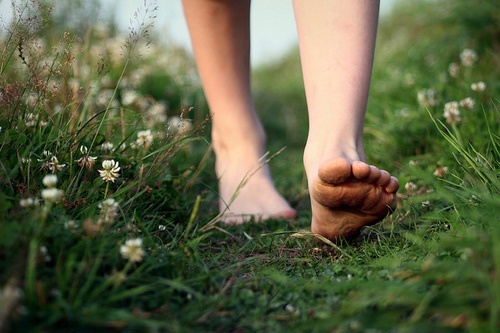
      8. Walking Barefoot In The GrassBarefoot-in-grass


    http://www.ncbi.nlm.nih.gov/pubmed/22564216

    http://www.ncbi.nlm.nih.gov/pubmed/19166570

    http://www.ncbi.nlm.nih.gov/pubmed/10658955

    http://www.ncbi.nlm.nih.gov/pubmed/12467090

    http://exploreim.ucla.edu/wellness/eat-right-drink-well-stress-less-stress-reducing-foods-herbal-supplements-and-teas/

    http://www.pcrm.org/health/health-topics/how-to-eat-right-to-reduce-stress

    https://www.google.com/url?sa=t&rct=j&q=&esrc=s&source=web&cd=1&cad=rja&uact=8&ved=0CB8QFjAAahUKEwjOsYq1wNvHAhUQCZIKHZNTDrE&url=http%3A%2F%2Fwww.stress.org.uk%2Ffiles%2Fcombat-nutritional-stress.pdf&usg=AFQjCNEqeaBW-1DQAeKGULaKm1Bq-o9kqQ

    http://www.stress.org.uk/How-food-can-help-your-stress-levels.aspx

    http://www.everydayhealth.com/diet-nutrition-pictures/how-to-reduce-stress-with-diet.aspx#01

    http://www.healthywomen.org/content/article/reduce-stress-diet-and-exercise?page=1

    www.skillsyouneed.com/ps/stress-nutrition-diet.html

  • Want To Lose Belly Fat?

    Want To Lose Belly Fat?

    1. Cut sugary foods and drinks (pasta, breads, white sugar foods and juices)
    2. Control your partying.  Stop drinking large amounts of alcohol.
    3. Cut out the TransFats causing inflammation
    4. Walk, run, swim, cycle… Move (In the morning is best)
    5. Balance your metabolism
    6. Start your day with protein
    7. Add more protein into your diet ~ 6 small meals per day.
    8. Drink at least 64 ounces of water per day
    9. Balance your hormones
    10. Balance gut bacteria
    11. Reduce stress (cortisol wants to store fat)
    12. Get rest
  • What Is Cupping Therapy, and Why Does Michael Phelps Swear By It?

    What Is Cupping Therapy, and Why Does Michael Phelps Swear By It?

    It’s all due to a technique called cupping therapy. But is there actually any science behind it?

    August 8, 2016

    Competing in the Olympics is definitely grueling, but it’s not the sports that are responsible for some of the bruises on several of the top athletes.

    For instance, swimmer Michael Phelps and gymnast Alex Naddour—among other competitors—have been seen with round, purple marks across their bodies.
    So what’s going on?
    It’s called cupping therapy, and it’s a form of ancient Chinese medicine purported to treat athletic aches and other pains.But can a couple of cups on your skin really make a difference in what’s going on in your body? We take a look at what’s really behind this health trend.

    Related: The Better Man Project From Men’s Health—2,000+ Awesome Tips on How to Live Your Healthiest Life 

    How Does Cupping Therapy Work?

    In cupping therapy, an acupuncturist soaks a cotton ball in alcohol and lights it on fire inside a glass cup.

    He or she removes the flame, and quickly places the cup on a patient’s skin, creating a vacuum that draws up the skin tissue, says Mark Perido, an educator with the International Cupping Therapy Association.

    When the skin seals the hot air in the vessel, the air inside begins to cool, causing the skin to contract.

    Advocates of cupping say it’s this stretching and contraction of the skin that makes cupping effective, since it increases blood flow.

    “Blood flow is the body’s way of naturally healing,” says Houman Danesh, M.D., an assistant professor of anesthesiology and rehabilitation medicine at Mount Sinai Hospital who frequently combines cupping with mainstream pain therapy techniques. “Increased blood flow can be beneficial to jumpstart or restart a blunted healing response.”

    Related: 5 Ways Acupuncture Can Fix Your Health Problems

    You can also think of it as a “sterile inflammation,” says Reid Blackwelder, M.D., past president of the American Academy of Family Physicians.

    That’s because the cupping process draws blood from your vessels and into your tissue. Your body thinks it’s been injured, so it jumpstarts an inflammatory response, mobilizing antibodies to the area to try to heal it.

    That may be why cupping is touted to treat a lot of pain-based conditions. Along with boosting athletic recovery, it’s also been used to manage things like lower back pain, plantar fasciitis, and fibromyalgia.

    Related: The Best Workout to Beat Back Pain

    For athletes who aren’t hurt, the increased blood flow from cupping is thought to help repair muscle fibers after a tough workout.

    The risks associated with cupping therapy are minor, and include noticeable, hickey-like bruising that occurs due to damage to your blood cells.

    “The blood oozes from the vessel and into the tissue, which is what you’re seeing,” Dr. Blackwelder says. “It’s a very normal part of therapy, and it isn’t painful.”

    But Does Cupping Therapy Really Work?

    Separate studies have suggested that cupping therapy may help reduce pain associated with conditions like carpal tunnel syndrome, persistent low back pain, and chronic neck pain.

    But Dr. Blackwelder remains skeptical—he doesn’t use cupping in his practice.

    There’s little research that proves that any healing actually takes place with cupping, he says.

    Related: 10 Medical Breakthroughs That Sound Like Science Fiction

    One problem? The design of studies looking at cupping therapy isn’t great, since it’s hard to tease out whether the actual process of cupping is responsible for the results.

    It comes down to the placebo effect, Dr. Blackwelder says.

    If people simply think they’re getting a treatment, that belief can sometimes be enough to help improve their condition.

    In high-quality studies, neither the researchers nor the participants know if they’re getting the actual intervention, or just a placebo used as a control. Afterwards, the researchers then compare the results to see if there was a significant difference between the groups.

    But it’s difficult to “blind” participants to whether they’re getting cupping therapy or not, though some studies use sham treatments that mimic aspects of cupping.

    Still, it means the placebo effect could play more of a role in the results, according to a study in the journal Acupuncture in Medicine.

    So Should You Try Cupping Therapy?

    Though the actual science behind cupping remains hazy, athletes like Phelps continue to use it to help quicken their recovery.

    And, according to the placebo effect, if you think it’ll work, it just might make you feel a little better.

    Related: 3 Ways to Speed Up Recovery After a Hard Workout 

    So if you want to give it a shot, go ahead: Just consider it a second-line move if you don’t feel like you’re getting relief from a conventional treatment option like physical therapy or medicationthat your physician recommended, says Dr. Blackwelder.

    “It can definitely be a good add-on therapy,” says Dr. Blackwelder. “The risks involved are small.”

    Related: THE 21-DAY METASHRED From Men’s Health—an At-Home Body-Shredding Program That Strips Away Fat and Reveals Rock-Hard Muscle

    Still, if you have a bleeding disorder, or take medicine like aspirin or ibuprofen where bleeding is a potential side effect, you might want to skip cupping, he says.

    That’s because it can do further damage to your blood vessels.

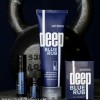
  • Deep Blue Essential Oil Blend

    Deep Blue Essential Oil Blend

    According to recent studies, more than half of us are sufferers of ongoing discomfort. Deep Blue is doTERRA’s soothing solution to this challenge. Wintergreen, Camphor, Peppermint, Blue Tansy, German Chamomile, Helichrysum, and Osmanthus work together to ease achy joints and sore muscles. Its effects are deep and penetrating with sustained results.

  • Deep Blue Polyphenol Complex

    Deep Blue Polyphenol Complex

    PRIMARY BENEFITS

    • Patent-pending, fast-acting frankincense extract shown to help support muscle and joint comfort and function
    • Includes proprietary, standardized extracts of ginger, curcumin, resveratrol, and other polyphenols to soothe occasional aches and discomfort
    • Can be used in tandem with Deep Blue® Rub or Deep Blue Soothing Blend
    • Contains the dōTERRA Tummy Tamer Blend of Peppermint, Ginger, and Caraway Seed
    • Sodium lauryl sulfate-free HPMC vegetable capsules
    • Safe to use by everyone in the family

    PRODUCT DESCRIPTION

    The brand name Deep Blue® is synonymous with relief for sore and tired muscles. The CPTG Certified Pure Therapeutic Grade® essential oil blend as well as the rub have provided comfort to many and are trusted among their users. It only makes sense that an ingestible supplement would complement the topical benefits of the Deep Blue product line. Deep Blue Polyphenol Complex delivers polyphenol extracts of frankincense, turmeric, green tea, ginger, pomegranate, and grape seed, and is designed to provide soothing support to aching muscles and to other occasional discomfort. Take as needed when discomfort presents itself, or take it every day for long-lasting benefits.

    CONCEPT

    Deep Blue Polyphenol Complex provides a unique blend of extracts of Indian frankincense (Boswellia serrata), along with turmeric and ginger. Indian frankincense has long been used for its soothing properties, and its use in the traditional Ayurvedic medicine of India is well established.

    This supplement delivers a unique and standardized Boswellia serrata extract (not an essential oil) that has been clinically studied to promote healthy mobility and function, and can provide soothing support throughout the entire body.

    Like boswellia, turmeric is a centuries old traditional Ayurvedic medicine that is also part of the popular spice Indian curry. The science behind turmeric’s soothing role in overworked muscles and joints is now recognized by experts throughout the world. Ginger root has also been used for centuries throughout Asia as a traditional medicine and popular spice. Ginger was among the first spices brought to the New World and has long been recommended for its natural soothing benefits.

    Polyphenols

    Polyphenols are natural, powerful, water-soluble antioxidants and Deep Blue Polyphenol Complex delivers the unique polyphenol benefits from what are considered some of the most healthy beverages—green tea, red wine, and grape and pomegranate juice. Red wine (resveratrol) and green tea (catechins) have, for centuries, been recognized as central to the healthy Mediterranean and Asian diets, respectively. Today, they are the subject of the most exciting anti-aging and wellness research. Resveratrol is believed to be a key component in the healthy Mediterranean diet and it is thought to be responsible for the “French Paradox,” where the French enjoy far better heart health than would be expected from a less than ideal diet and lifestyle.

    Green tea’s wide variety of health benefits have been established for hundreds of years, but again, only recently have scientists identified its catechins, specifically EGCG (Epigallocatechin Gallate) as the molecules responsible for these benefits. The green tea extract used in this product concentrates the goodness of green tea to provide targeted levels of catechins. Grape seed is known for its exceptional levels of protective polyphenols, particularly OPCs (Oligomeric Proanthocyanidins), which are powerful antioxidants.

    Pomegranate is another key ingredient in this product and is often referred to as the “sacred fruit.” Punicalagin has been identified as a key beneficial molecule behind pomegranate’s benefits, yet its levels are rarely declared on pomegranate juice or supplements. Deep Blue Polyphenol Complex™ delivers a unique pomegranate fruit extract, standardized to deliver a specific level of punicalagin, which helps ensure the benefits of this powerful fruit. These polyphenols help neutralize a broad range of damaging free-radicals, thereby supporting the health of a wide variety of tissues, organs, and systems throughout the body.

    Deep Blue Polyphenol Complex is designed to offer unparalleled natural relief. Furthermore, its formula enables you to enjoy all these exceptionally powerful, natural molecules without consuming any alcohol, caffeine, sugar, calories, or other potentially harmful stimulants.

  • Natural Treatments for Arthritis

    Natural Treatments for Arthritis

    Dr Axe shares about arthritis and nutrition.

    Arthritis Diet:

    1. Omega 3 fatty foods: wild caugh fish, grass-fed beef, chia seeds, flaxseeds, and walnuts

    2. Foods high in sulfur: onions, garlic, asparagus, and cabbage

    3. Bone Broth

    4. Fruits and vegetables

    Foods to Avoid:

    1. Excess sugar

    2. Hydrogenated oils

    3. Gluten

    Supplement:

    1. Quality Fish Oil

    2. Turmeric

    3. Proteolytic Enzymes

    4. Glucosamine

    5. MSM

    Remember to consume these top foods and supplements and avoid the trigger foods to naturally treat arthritis!


  • Kids ~ Anxiety

    Kids ~ Anxiety

    The Child/Adolescent Anxiety Multimodal Study (CAMS), in addition to other studies on treating childhood anxiety disorders, found that high-quality cognitive behavioral therapy (CBT), given with or without medication, can effectively treat anxiety disorders in children. One small study even found that a behavioral therapy designed to treat social phobia in children was more effective than an antidepressant medication.

    Anxiety can be a normal reaction to stress. It can help us deal with a tense situation, study harder for an exam, keep focused on an important speech. In general, it can help us cope. But when anxiety becomes an excessive, irrational dread of everyday situations, it has become a disabling condition.

    I listened to a great talk this past weekend by a young man describing some of the pit falls of his generation.  He did a great job of communicating the needs of his generation and the concerns that many of his peers express.  As I listened to him I thought about how different things were in my youth.  When I returned to my home, I decided to look up some studies and this is what I found.  Today’s youth report the following as issues of concern consistently:

    • Erosion of National Pride/Lack of Collective Identity
    • Poverty
    • Changes with the Economy
    • Education System Concerns
    • Lifestyles that Promote Obesity
    • Materialism
    • Violence in School
    • Bombarded with Sexual Suggestions/Being in a Hurry to Grow Up
    • Drug and Alcohol Abuse
    • Broken Families and Single Parent Households
    • Not Feeling Prepared for the Future
    • Peer Pressure
    • Adult Hypocrisy
    • Confusing Standards