Category: Health, Healing and Wellness
-

Four Ways to Enjoy Long Runs
They shouldn’t be boring – and they don’t have to be solitary.
Runners often have a love/hate relationship with the long run. We love the sense of accomplishment we feel when it’s over; we hate the anticipation of actually getting out there.
Yet it must be done: The long run is the keystone of any training program—5-K to marathon.”The long run builds endurance and strength and teaches you how to deal with fatigue,” says Maria Simone, a USA Triathlon—certified coach and owner of No Limits Endurance Coaching in Absecon, New Jersey.Indeed, extending the distance you normally cover triggers several lasting changes in your body, says 2:24 marathoner and running coach Kevin Beck. Capillaries in your muscle fibers increase in number, which enables more energizing oxygen to reach your muscles. Your mitochondria, the aerobic powerhouses of your cells, also grow in number and size, which helps you sustain energy. Your muscles also learn to store more glycogen (carbs), which wards off fatigue over long distances. There are psychological benefits, too: Long runs build mental toughness to help you manage discomfort. They also serve as a dress rehearsal, giving you an opportunity to test gear and fueling options so when race day comes, you know what works best.
Long runs aren’t easy, but they don’t have to be death marches, either. There are a number of ways to make going the distance comfortable—enjoyable, even.
TUNE OUT
PROS Running with music can stop your brain from getting overwhelmed with anxiety about the distance you have to cover. “It’s a dissociative strategy; it keeps your focus off what’s ahead,” Simone says. It can also distract you from tired, achy legs. Research from Costas Karageorghis, Ph.D., a leading authority on music and exercise, shows that music can reduce perception of exertion and increase endurance by 10 to 15 percent.
CONS Music can make you oblivious to important things, like that oncoming car, or your body’s signals (Too fast, you’re going too fast!). You can also become dependent on it—not a good thing if your device’s battery goes dead midrun or if you plan to race without it.
DO IT RIGHT Karageorghis’s research says fast-tempo songs that exceed 120 beats per minute (BPM) are ideal during high-intensity exercise when you’re working at 75 percent of your maximum heart rate, and slower speeds are best for less-intense efforts. Because songs that push you through an interval session might be too frantic for a slow, steady effort, craft separate playlists for your workouts. Or try an app like PaceDJ, which configures a playlist based on your specific running pace. Podcasts and audiobooks are also a good option—they won’t inspire you to sprint. For safety purposes, keep the volume low enough so you can hear yourself talking over what’s coming out of your earbuds. You can also try headphones that are designed to let you still hear your surroundings, like AfterShokz. And be sure to do some long runs sans tunes if you plan to race without them.PAIR UP
PROS Running with a training partner can turn a long run into a social hour (or two or three), says Colleen Tindall, a USATF-certified running coach in Moorestown, New Jersey. “It’s more fun, it’s safer, and it makes you accountable,” she says. “You’re less likely to cut a run short if you’re with someone else.” Planning long runs with one person gives you more scheduling flexibility than you’d have with a club that might only meet at, say, 8 a.m. Saturday mornings. Also, beginners who might find a large training group intimidating can benefit from hooking up with an experienced running friend who can provide one-on-one support.
CONS If you rely totally on one person, what happens when she gets injured or goes out of town? More critically, if your partner’s pace is incompatible, your training could suffer. “If you’re running too hard on your long runs, you can risk injury and lose confidence,” Tindall says. “It works the other way, too. If you’re with someone not running fast enough, you might not be reaching your potential.”
DO IT RIGHT Know your schedule and your pace goals, then look for a suitable partner. There are several online sites that can help you connect with a local runner, like buddyup.com (which even asks runner compatibility questions), meetup.com, and the Runner’s World forums. Your local running club could help you connect with another member who also has a quirky schedule and needs to go long on Fridays, for instance. And consider this: Your buddy doesn’t need to be a runner—got a spouse, friend, or kid who likes to bike? They can keep you company (and carry your water).BE A GROUPIE
PROS Signing up to train with a large club or training organization (like Team in Training or Joints in Motion) gives you a real sense of commitment—you’re less likely to skip your runs if you’re paying membership dues or pledging to fund-raise. Many large groups break off into smaller subsets, so you’ll find runners that match your pace. They may offer coaching—helpful if you need pacing, fueling, or stretching advice. Plus, organized long runs often follow premeasured routes with water and sports drinks provided—all you have to do is show up and run!
CONS You’re locked into the group’s schedule, so if you have to miss a group run, you’re on your own. You can also become dependent on the group for pacing or distraction, which can hurt you if you’ll be racing solo. “It’s important for runners at all levels to learn how to manage the fatigue and discomfort on their own,” Simone says.
DO IT RIGHT Mix group runs with solo ones so you have the best of both worlds. Stick with the gang when you’re going really long and need the support and companionship. But on a week when you’re stepping back in distance, go it alone so you get practice pacing yourself and developing your own mental coping strategies.RUN IN CIRCLES
PROS Breaking a long run into several smaller loops makes a daunting distance more manageable. Instead of focusing on running 15 miles, for instance, you can just take it one five-mile segment at a time. Looping also allows you to create your own aid station. “You can stash water and fuel at a set location you know you’ll be hitting several times,” Simone says. Loops from your house are especially helpful if the weather changes or you need a pit stop. It’s comforting to know that an extra layer and bathroom are never too far away.
CONS Looping again and again…and again with no variety in scenery can be boring. Very boring.
DO IT RIGHT Simone suggests alternating the direction you run on each loop—it’s a small change that can be surprisingly refreshing. And recruit a friend looking to do a shorter run to join you for a loop. -

How to Kill Your Sugar Addiction Naturally
Great video by Dr. Axe
In this video, he talks to you about how to overcome food cravings and sugar cravings naturally. If you want to overcome sugar cravings, then you need to follow these four steps:
1) Getting the right foods into your diet
• Adding in foods that balance out your blood sugar levels and insulin such as healthy protein, fat, and fiber2) Get the sugar and grains out of your diet
• Slowly wean yourself off of the sugars and grains and find some healthy replacements that satisfy the sweet craving3) Taking the right supplements that will help balance out blood sugar levels
• Chromium is a great option (200micrograms 3x a day), a B complex vitamin, and a probiotic supplement4) Start doing the right kind of exercise
• Weight training or Burst training instead of long distance cardio exercise (isometric exercise like barre class or yoga)If you follow these four steps, you will see major improvements in overcoming your sugar cravings naturally.
-
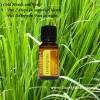
DIY ~ Lemongrass Relief
There are many uses for lemongrass essential oil.
Lemongrass Oil can improve your athletic performance by increasing blood circulation. (Brings highly oxygenated cells from your lungs to enhance the energy you need for a better physical performance.)
After exercising, is very helpful in promoting the relief of build up of lactic acid in the muscles that can cause cramping or ―Charlie horse.
The scent of Lemongrass will decrease irritability and drowsiness.
Psychologically, Lemongrass is uplifting and energizing.
Also good for concentration and clear thinking, strengthens retina (eye nerve lining the back of the eye that communicates light changes and allows a vision to be seen clearly.)
Lemongrass 2 drops in center of hands and add new doTERRA moisturizing cream and rub into hands and wrists, do the same for feet each night before sleep. Also take the doTERRA LLV pack daily.
For more information go to:
http://www.oilsmentor.com/wp-content/uploads/2013/05/Lemongrass-Information-Sheet-1.pdfModern Essentials, Abundant Health, LLC, 2009
Healing Oils of The Bible, David Stewart, 2005.
Aromatherapy in Medicine, Jacque du Preneau, 1908.
Aromatherapy, Essential Oils for Vibrant Health and Beauty, Roberta Wilson, 2002
Clinical Aromatherapy, Essential Oils in Practice, by Jane Buckle ,RN,PhD.,2003
Aromatherapy Handbook for Beauty, Hair and Skin Care, by Erich Keller, 1992
Aromatherapy For Healing The Spirit, by Gabriel ojay, 1997
The Art of Aromatherapy, Robert Tisserand, 1995 {www.Aromatools.com} for: Books, Bags, Tools etc
-

Three Shortcuts Runners Should Avoid
Runner’s World Reports
Don’t sabotage your training by cheating in other areas.
A few years ago, researchers in Taiwan recruited volunteers for what they were told was health-related product testing. Their first task was to take a pill and rate its texture and color; half were told it was a multivitamin, while the other half were told it was a placebo (which it was). During the next tests, the groups acted dramatically differently. When asked to test a pedometer, those who thought they’d taken a vitamin were more likely to walk a shorter route; at lunch, they chose less healthy food. In a survey, they expressed greater feelings of invulnerability and less desire to exercise.
What does this have to do with running? Racing your best demands that you coordinate countless details of training and lifestyle—long runs, intervals, sleep, nutrition, and so on—that contribute to your performance. This study illustrates a phenomenon known as the “licensing effect”: doing something you believe will help you (like taking a vitamin) will subconsciously encourage you to slack off on other ways of achieving the same goal (like eating well). You must distinguish between the factors that matter for your fitness, and the ones you can ignore—because you’re always making trade-offs. Here are three to watch out for:
The Shortcut: Reactive Recovery
It’s easy to take painkillers to block training-related aches, but this habit doesn’t address the muscle weaknesses that may be causing your pain. Other recovery tools like compression garments and ice baths may have benefits, but they’re still just short-term Band-Aids.The Better Way: Active Prevention
It’s hard to think about injury prevention when you’re healthy, but this is when it matters most. At least twice a week, spend 10 to 15 minutes working on balance, dynamic flexibility using form drills, and strength in key areas like hips, ankles, and feet. It takes about as long as an ice bath, and will do more to keep you healthy.The Shortcut: Training Supplements
In theory, taking a multivitamin or a dietary supplement targeted at athletes as a form of “insurance” makes sense—after all, no one eats perfectly all the time. But there’s scant evidence that these supplements actually boost health or performance, and some studies have found that large doses of antioxidant supplements like vitamin C can interfere with muscle recovery and endurance gains during training.The Better Way: Healthy Eating
The best way to get key micronutrients is from whole foods. Yes, it takes planning to make sure you have healthy options like vegetables, fruit, and fish available day after day, meal after meal. You’ll never be perfect, but if you don’t give yourself the excuse, “It’s okay, I took vitamins this morning,” you’re more likely to get closer to your dietary goals.The Shortcut: Energy Boosters
There’s no doubt that caffeine is an effective performance-enhancer, not to mention an essential part of day-to-day life for many runners. But there’s a subtle distinction to bear in mind: Caffeine helps to mask the feeling of fatigue, but it doesn’t actually make you any more rested.The Better Way: Sleep
While you’re asleep, your body is recovering from that day’s training, repairing damage, and recharging energy stores. It’s fine to start your day with a cup of coffee, and even to drink more before a workout or race. But if you’re not also getting enough sleep—most adults need seven to nine hours a night—you’ll struggle to make consistent, long-term gains in fitness.http://www.runnersworld.com/running-tips/three-shortcuts-runners-should-avoid?adbid=10152783016701987&adbpl=fb&adbpr=9815486986&cid=socTP_20150517_45857736&short_code=30czq
-

DIY Naturally ~ Hair Conditioner
Ingredients
4 Tablespoons dōTERRA Fractionated Coconut Oil
8 Drops of dōTERRA Lavender Essential Oil
If you’re a girl like me with lots of hair you may want to double this. 🙂


One of the things I have been looking into lately is personal care products. dōTERRA has a brand of shampoo and conditioner that I trust, but I have an unusually large amount of dry, curly, long hair.
Most of the products that I can use from the store are filled with toxins that I am trying to steer clear of so I decided to implement my own method of hair cleaning and conditioning.
Just mix the two ingredients together and apply it to your hair. Apply it to dry hair and let it sit for approximately 20 minutes. Wash.
Another recipe that I’ve seen people use:
3 Tablespoons of a solid Coconut Oil
1 Tablespoon of Olive Oil
8 Drops of dōTERRA Lavender Essential Oil
Mix ingredients together and apply to dry hair for approximately 20 minutes. Wash.
-

Team RWB ~ Veterans and Civilians Together
Team RWB’s mission is to enrich the lives of America’s veterans by connecting them to their community through physical and social activity.
Consider becoming involved with Team RWB where you live and where you race.
-

Your Skin is the Largest Organ in Your Body
Veráge is an all-natural, pure and effective skin care program. Watch this video and learn what several skin care savants experienced when using this system.
-

Do NOT Use Plastic Water Bottles
Rule No. 1
Keep in mind…
…always use glass, ceramic or metal bowls and utensils. Avoid plastic containers and utensils. Why? Many essential oils dissolve petroleum and plastics are generally made form petroleum products. When in doubt, test your oils on the container you wish to use. If it dissolves or gets sticky the oil is working on it. So stay away from eating or drinking form it.