Category: Substance Abuse and Addiction

  • What to do about chlorine exposure?

    What to do about chlorine exposure?

    The best scenario is to swim in ozone or salt water pools.  However, most people can’t choose what their health clubs use in their pools.  Try to talk with the management anyway.  The more people who bring up these concerns the better.  There are many problems that chlorine exposure can cause.  Rashes, breathing issues etc…  chlorine

    Chlorine competes for the iodine receptors in organs like the thymus, thus depriving them of this necessary element.

    To combat effects of iodine replacement in the thymus: dōTERRA®‘s GX Assist® .  This is a proprietary combination of Certified Pure Therapeutic Grade® essential oils and caprylic acid, that help support a healthy digestive tract by creating an unfriendly environment for potentially harmful pathogens that can disrupt digestive immunities and cause digestive upset.  GX Assist is formulated with therapeutic-grade Oregano, Melaleuca, Lemon, Lemongrass, Peppermint and Thyme essentials oils that have been demonstrated to have in-vitro antimicrobial properties.  GX Assist also includes caprylic acid that has been traditionally used as for its specific health-supporting properties in the gut.

    To repopulate the “good” flora removed by the GX Assist – dōTerra PB Assist+ Probiotic Defense Formula is a proprietary blend of pre-biotic fiber and six strains of probiotic microorganisms in a unique double-layer vegetable capsule delivering 5 billion CFUs of active probiotic cultures and soluble pre-biotic FOS (fructo-oligosaccharides) that encourages culture adhesion and growth. The time-release double-capsule delivery system protects sensitive probiotic cultures from stomach acid. PB Assist+ supports healthy digestive functions and immunities and is safe for use by all members of your family.

    And to provide an added “boost” to everything being used – doTERRA’s EO Mega is a unique formula of CPTG Certified Pure Therapeutic Grade® essential oils Clove, Frankincense, Thyme, cumin, Wild Orange, Peppermint, Ginger, and German Chamomile, and a proprietary blend of marine and land- sourced omega fatty acids from flaxseed, pomegranate seed, evening primRose, cranberry seed, and concentrated fish oils. Omega fatty acids have been shown to support healthy joint function and brain health.

    A daily dose of EO Mega provides 1 gram of marine oils, 1 gram of land oils, and 60 mg of the EO Mega essential oil blend. It uses only clean and pure sources of concentrated fish oils and is enteric coated to prevent the fishy return of inferior omega fatty acid products.

    To remove heavy metal contaminates that can be caused by spending long times in a pool:  8 drops of dōTERRA Cilantro oil in a capsule once a day.

    For hypothalamus issues: dōTERRA’s Lemongrass oil.  This oil, along with dōTERRA’s Balance, Frankincense, Geranium applied to the throat has shown to be effective.


    These statements have not been evaluated by the Food and Drug Administration. This product is not intended to diagnose, treat, cure, or prevent any disease.

  • Communication ~ I-Statements

    Communication ~ I-Statements

    Communication can be much less stressful when both parties feel respected.  One way to show respect in communication is to use I-Statements.  I have heard some describe just using the word “I” in a person’s statement but I would suggest following a stricter pattern.  It will help each party be more empowered to take ownership for themselves and their thoughts and feelings.   Accepting responsibility for your feelings is one of the most important communication skills you can acquire.  A good rule of thumb is: “If you have a problem, make an I-Statement.

    Avoiding words like “make me” will also help a person take more responsibility for his/her behavior.

    A pattern like the one below, will help the person understand what behavior they displayed that impacted the communicator and how that happened:

    istatement

  • Attitude

    Attitude

    Nothing can stop the man with the right mental attitude from achieving his goal; nothing on earth can help the man with the wrong mental attitude.  Thomas Jefferson

  • Want to get on the right track with Hydration?

    Want to get on the right track with Hydration?

    HOW DO YOU KNOW IF YOU’RE DEHYDRATED?

    If you are thirsty, it means your cells are already dehydrated. A dry mouth should be regarded as the last outward sign of dehydration. That’s because thirst does not develop until body fluids are depleted well bellow levels required for optimal functioning.

    Monitor your urine to make sure you are not dehydrated:

    • A hydrated body produces clear, colorless urine.
    • A somewhat dehydrated body produces yellow urine.
    • A severely dehydrated body produces orange or dark-colored urine.

    The effects of even mild dehydration include decreased coordination, fatigue, dry skin, decreased urine output, dry mucous membranes in the mouth and nose, blood pressure changes and impairment of judgment. Stress, headache, back pain, allergies, asthma, high blood pressure and many degenerative health problems are the result of UCD (Unintentional Chronic Dehydration).

    HOW MUCH WATER DO YOU NEED TO DRINK? WHEN TO DRINK?

    To better determine how much water you need each day, divide your body weight in half. The answer is the approximate number of water ounces you should drink daily. You should drink half of your body weight in ounces. If you weight 200 pounds, you should drink 100 ounces water (3.13 quarts, 2.98 liters or about 10-12 cups of water a day). If you weigh closer to 100 pounds you will need only about 50 ounces of water or about four 12-ounce glasses daily.

    Individuals who are physically active or live in hot climates may needs to drink more.

    HOW DO YOU GET DEHYDRATED?

    Through activities of daily living, the average person loses about 3- 4 liters (about 10-15 cups) of fluid a day in sweat, urine, exhaled air and bowel movement. What is lost must be replaced by the water/ fluid we drink and the food we eat.

    We lose approximately 1-2 liters of water just from breathing. The evaporation of sweat from the skin accounts for 90% of our cooling ability.

    Exercise, sweating, diarrhea, temperature, or altitude can significantly increase the amount of water we lose each day. The most common cause of increased water loss is exercise and sweating. Even though we are all at risk of dehydration the people most vulnerable are infants, elderly adults, and athletes. They are either not able to adequately express their thirst sensation or able to detect it and do something in time.

    DRINKING TIPS FOR HEALTHY HYDRATION:

    Start your morning’s right: Morning is when you are most full of toxin and dehydrated. Reach for a big glass of water first thing in the morning – even before coffee. This water in the morning really gets the blood flowing.

    • Drink a glass of water when you get up and another when you go to bed.
    • Take regular water break breaks.
    • Avoid relying on sodas to provide your fluid need.
    • Drink water before and after food; ideally drink a glass of water half an hour before you eat your meal and half an hour after the meal. You can drink water with meals, and drink water anytime your body feels like it.

    It is very important you balance your sodium intake with your water consumption. Take 1/4 teaspoon of salt per quart of water – every 4-5 glasses of water. Be sure to get sea salt. The best is Celtic sea salt or Himalayan sea salt, both of which are readily available at any health food store.

    You should always drink water prior to eating, and after eating, to support the digestive process. The stomach depends on water to help digest food, and lack of water makes it harder for nutrients to be broken down and used as energy. The liver, which dictates where all nutrients go, also needs water to help convert stored fat into usable energy. If you are dehydrated, the kidneys turn to the liver for backup, diminishing the liver’s ability to metabolize stored fat. The resulting reduced blood volume will interfere with your body’s ability to remove toxins and supply your cells with adequate nutrients.

    Keep a water bottle by your side at all the times. Use either bottled water or tap water, and carry it with you everywhere, to the gym, in your car, to your office. Start by adding water to your daily regiment, during the first week, and then incorporate more as needed. The point is not to wait until you’re thirsty to drink.

    Keep water flowing before, during and after workout. Don’t forget to balance your water intake with sodium intake. Drink at least 1 liter of water for every 60 minutes of exercise. Drink more if it’s hot. During exercise, such as playing sport on a hot summer day, you can lose up to 2 liters per hour of fluid per hour. Water and a balance salt is your best bet to keep healthy and hydrated. During exercise, it is recommended to replenish fluid at least every 20 minutes.

    For more information check out the following articles:

    http://www.mayoclinic.org/healthy-lifestyle/nutrition-and-healthy-eating/in-depth/water/art-20044256

    http://gizmodo.com/hydrate-smarter-drinking-the-right-amount-of-water-whe-1501740684

    http://www.camelbak.com/ko/HydratED/HydrationCalculator.aspx

    Hydration 101: How Much Water Do You Really Need?

    http://www.hammernutrition.com/knowledge/hydration-what-you-need-to-know.299.html

    http://www.watercure.com/faq.html

  • Looking to Get Active?  Try Swimming

    Looking to Get Active? Try Swimming

    Besides safety, research has shown there are many more benefits to starting children swimming at a very young age.

    Listen to this video and find out why you should be swimming.

  • Overly tired?  Would you like to change your diet to boost your mood?

    Overly tired? Would you like to change your diet to boost your mood?

    Feeling blue? Depressed or anxious? Dr. Axe recommends the best foods and supplements to boost your mood and brighten your day!

  • 11 Ways To Reduce Inflammation, Improve Your Immunity and Cleanse Your Lymphatic System FitLifeTV

    11 Ways To Reduce Inflammation, Improve Your Immunity and Cleanse Your Lymphatic System FitLifeTV

    Drew with FitLifeTV describes some tips for reducing inflammation, improving immunity and cleansing your lymphatic system.


    The lymphatic system contains twice as much liquid as the blood vessels, it lacks a pump, such as the heart, to carry waste from the lymph glands out of the body. Because there is no pump, if we are not regularly cleansing the body to release these toxins, our body begins to slow down, resulting in a weakened immune system, inflammation and often times, illness and disease. Because of this, it depends on muscle contraction and manual manipulation to move fluid. Pretty crazy, right? 

    Think about it – we have YEARS of built-up toxins just sitting in our body. It’s like letting the animals out of the zoo and into the wild! 

    But toxins aren’t fun and they cause imbalance to our system so it’s important to cleanse the body to remove these nasty things and keep your body working with and for you.

    Interesting (and important) Facts To Know About Your Lymphatic System 

    Our cells duplicate every 90 days – that means, if you have “sick” cells, they will continue to duplicate “sick” cells unless you cleanse and detox your body regularly.

    There are 600 to 700 lymph nodes in the human body that filter the lymph before it returns to the circulatory system.

    The lymphatic system is a network of tissues and organs that primarily consists of lymph vessels, lymph nodes and lymph. The tonsils, adenoids, spleen and thymus are all part of the lymphatic system.

    Lymphatic comes from the Latin word lymphaticus, meaning “connected to water,” as lymph is clear.

    The lymphatic system, which is a subset of the circulatory system, has a number of functions, including the removal of interstitial fluid, the extracellular fluid that bathes most tissue. It also acts as a highway, transporting white blood cells to and from the lymph nodes into the bones and antigen-presenting cells to the lymph nodes.

    There are two drainage areas that make up the lymphatic system. The right drainage area handles the right arm and chest. The left drainage area clears all of the other areas of the body, including both legs, the lower trunk, the upper left portion of the chest and the left arm.

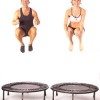
    Get your body moving!

    rebounding3

  • The Amazing Liver and Gallbladder Flush Recipe

    The Amazing Liver and Gallbladder Flush Recipe

    Have you heard of a Gallbladder Flush? It can be so beneficial for your body and may prevent gallbladder surgery!

  • Empathy

    Empathy

    Empathy is a form of openness.  It is a communication skill.  It is important for effective communication to occur.  Here is a model for how to communicate empathy:

    empathy

    It’s important when you are sharing what you observed to be specific with details and try to give the person’s exact words.  Try not to use labels or guesses in the observation part of your statement.  The Inference is the next section.  Try to make sure to communicate this in such a way that the other person knows that it is a guess and not a fact.  In the third part of this skill, you will return the focus to the person.  It is best to ask open ended questions and use you listening skills.

    It may look something like this:

    (Observation) I noticed that your tone got louder when you said “I can’t take this anymore!”  Your face was red and your hands hit the table loudly too.

    (Inference)  I am guessing that something is upsetting you and you have been trying to be patient for a while.

    (Return of Focus)  How does that sound to you?

    At first, some communication skills feel awkward.  But after practicing, everyone involved benefits and is able to feel respected.

  • How Does Stress Impact Your Body

    How Does Stress Impact Your Body

    There are types or forms of stress.  Eustress is stress that we like (basketball games, running, etc).  Distress is stress that we do not like (bills, conflicts, difficulties with work etc).  Both can be harmful if we do not give ourselves a break.  Take a look at what the doctors say about stress.