Category: Substance Abuse and Addiction

  • Dr. Axe and How To Cleanse Your Liver

    Dr. Axe and How To Cleanse Your Liver

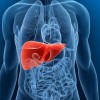
    Your liver is your second largest organ and is vital to your body’s health, which is why it’s so important to detox your liver. 

    The top 5 ways you can detox your liver:

    1. Remove all toxins from your diet (processed grains, sugars, fast foods, packaged foods, conventional meat and diary, and eat real foods)

    2. Consume liver detoxifying herbs like milk thistle, turmeric, and dandelion

    3. Detox your emotions (your emotions directly effect your organs like frustration, resentment, unforgiveness, and anger)

    4. Eat real liver (chicken or beef liver)

    5. Consume foods that cleanse the liver (sprouts, salads, sour foods, probiotic rich foods)


    In his article below, Dr. Axe describes coffee enemas as another way to detox the liver.

    http://draxe.com/liver-cleanse/

  • doTERRA’s Athletic Kit

    doTERRA’s Athletic Kit

    Achieve peak performance with a doTERRA Athlete’s Kit.  doTERRA was approached by a Division 1 Training program to put this kit together because of how helpful it had been with their athletes.  They even started using it in their recruiting process.  Get yours today!


  • Different Aggressors: Different Approaches

    Different Aggressors: Different Approaches

    There is a lot more that can be said on this topic and I would recommend a book by Shawn T. Smith entitled Surviving Aggressive People: Practical Violence Prevention Skills for the Workplace and the Street for more information on this topic.  We are living in a day where violence is happening all around us.  It’s a great idea to learn to pick up cues and understand which action may be best in a situation and may even save your life. For this short article, I am going to talstopk about 2 types of aggressors: the expert aggressor and the desperate aggressor.

    The Expert Aggressor is a type of a person who views violence as the preferred option. They are interested in social or material gain, in taking something that does not belong to them. They tend to attack those who are suitable victims and choose those who offer the greatest chance of success. They use “testing rituals” to determine the willingness of a victim. Some people will tolerate being attacked more than others. Those who are too trusting, kind or loving make the best victims. There are some very good techniques in the book to keep the Expert Aggressor from going too far.  At any rate, this type of individual needs strong boundaries and the situation will only be safe when you use them.

    The Desperate Aggressor is one of the most common and is someone you might encounter in a work situation who feels that they have run out of options. “Violent crime in America is often spontaneous: someone loses their temper and the results are tragic. When an otherwise rational person reaches a high level of emotion, when they perceive no solution to their problem, then violence–normally not something they would even consider–may seem to them like their only option.” These aggressors don’t like to feel helpless and seek to regain their feelings of control. They are poor at problem solving and often another person who is skilled can help them to restore their composure. The book gives [ File # csp2098901, License # 2590991 ] Licensed through http://www.canstockphoto.com in accordance with the End User License Agreement (http://www.canstockphoto.com/legal.php) (c) Can Stock Photo Inc. / lisafxsuggestions in concrete form on what to say and how to do this. In general, Desperate Aggressors display verbal and physical indicators of stress. They might feel cornered, panicked and ashamed.  This type of person may benefit from compassion and de-escalation skills in this kind of a moment.  Listening to this person during the extreme and unusual outburst could really help in this type of situation.


  • Peppermint Essential Oil

    Peppermint Essential Oil

    Peppermint is popular in countless forms– from toothpaste to chewing gum. As an essential oil, it is useful to ease breathing and as a digestive aid.


    peppermint oil 1

  • DigestZen Essential Oil Blend

    DigestZen Essential Oil Blend

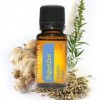
    Many essential oils have been recognized through research as powerful agents to help restore normal balance in the digestive system. DigestZen takes advantage of these well-established therapeutic compounds in a proprietary blend of pure essential oils. When used internally, DigestZen brings soothing digestive relief.

  • Lavender Essential Oil

    Lavender Essential Oil

    Lavender is one of doTERRA’s best selling essential oils. Watch this video to learn more about this powerful essential oil.


    lavender 1


  • Focus On Yourself

    Focus On Yourself

    No matter how bad things get in the world around us there is always good work to be done on ourselves.  Sometimes people can become immersed in trying to fix or save the world and avoid dealing with our own pain or flaws.  Correcting every injustice is an impossible task.  It’s usually best left to the God of the universe Who knows exactly what is going on and cares about all the injustices that are taking place a lot more than we do.  I am not saying to turn a blind eye to oppression and injustice so please do not misunderstand me.  I am also not implying that there is no need for personal boundaries.  If someone keeps poking you in the eye and ignores your requests to stop, it may be best to take a step away from their reach.  I am talking about focusing so much on others in order to avoid what needs to change in ourselves.  Sometimes people can get lost in all the things that need to change in the world around us that we forget to listen to the voice of God with regards to what needs to change in our own hearts and character.  This is a form of denial.

    In Ecclesiastes Chapters 3 and 4, King Solomon said, “Moreover, I notice that throughout the earth justice is giving way to crime, and even the courts are corrupt.  I said to myself, “In due season God will judge everything man does, both good and bad.”… Again I saw all the oppressions that are done under the sun. And behold, the tears of the oppressed, and they had no one to comfort them! On the side of their oppressors there was power, and there was no one to comfort them.”  Whether or not a person is interested in the Bible, I think everyone would agree that Solomon was a man of great wisdom.  He saw the problems in his civilization but even as a king he knew he was powerless to change all the issues of  mankind.

    Accepting the world as it is, and focusing on what needs to change in ourselves can be very freeing emotionally.  When we are able to say with confidence that we are working on the growth that needs to occur in our own lives, it is so much easier to become less entangled with the issues our neighbors may  have.

  • Exercise and Addiction Recovery

    Exercise and Addiction Recovery

    EXERCISE:

    •  promotes the formation of blood vessels in the brain
    •  forges connections between cells
    •  enhances repair of neural tissue
    •  generates new neurons in memory-formation areas.

    Through its actions on hormones that affect the nervous system, exercise also improves TOLERANCE OF STRESS.  This is an observation that is particularly intriguing given the links between stress and drug abuse.

    How Exercise Helps the Recovery Process from Substance Abuse/Addiction

    Many who abuse drugs or alcohol neglect important components of daily health, wreaking havoc on both emotional and physical well being.

    It is important to repair the psychological and physical damage of chemical dependency as well as the damaged mind-body connection.

    Exercise in chemical dependency treatment serves many purposes, but there are some primary benefits one can get from exercise during substance abuse treatment and recovery.

    • Exercise relieves and reduces stress.
    • Exercise naturally and positively alters your brain chemistry.
    • Exercise is meditation in motion.
    • Exercise improves your outlook.

    In addition, regular exercise fosters improved:

    • Sleep
    • Greater energy
    • Enhanced feelings of well being

    All of these make life much more manageable and enjoyable and recovery that much more possible and sustainable.

    DOPAMINE AND SEROTONIN ARE MAJOR FACTORS WITH ADDICTION

    Researchers now think there are at least two systems for rewards involving the neurotransmitter, dopamine:

    • One, described as the “liking” system, is stimulated on receiving a reward, incorporating dopamine’s originally conceived role.
    • The other, the “wanting” system, motivates behavior in pursuit of a reward, which explains why dopamine rises in anticipation.

    Neuroscientists say the balance between these systems can be altered by drug abuse to the point that the wanting system dominates the liking one.

    Serotonin also plays a prominent role in the way hallucinogens act on the brain, greatly increasing serotonin levels in certain brain cells.

    Hallucinogens are serotonin “agonists,” which means they are molecularly similar enough to serotonin to dock with serotonin receptors.

    Large increases in serotonin levels have also been measured in users of ecstasy.

    Ecstasy appears to push the serotonin system into overdrive by interfering with serotonin mop-up transporters, similar to the way cocaine affects dopamine.

    Elevated serotonin causes short-term euphoria but depletes it in the longer-term. Chronic ecstasy users, for example, were found to have 50%-80% lower concentrations of serotonin.

    Aerobic exercise have a neurochemical basis.

    Exercise:

    • Reduces stress hormones, such as adrenaline and cortisol
    • Reduces immune system chemicals that can worsen depression
    • Stimulates the production of neurotransmitters, endorphins and endocannabinoids (aka feel good chemicals), the body’s natural painkillers and mood elevators.
    • Increases body temperature which can have a calming effect.

    Psychological and emotional benefits of exercise:

    • Gain confidence.
    • Get more social interaction.
    • Take your mind off worries.
    • Cope in a healthy way.
  • Skills for Recovering Addicts

    Skills for Recovering Addicts

    1.  Assertiveness ~ Assertiveness is having the confidence to say no when needed, and accepting limits set by others. It is taking responsibility for the consequences of your actions while allowing others to own their own feelings and actions. It means doing these things even if they make you unpopular or challenge you to step outside your comfort zone. In some cases, it may mean ending a relationship with someone who repeatedly disrespects your boundaries.
      Positive communication requires people in recovery to let go of familiar tactics like manipulation and replace them with assertiveness. This doesn’t mean getting pushy or demanding what you want, but rather approaching others with honesty and straightforwardness to prevent misunderstandings and to protect yourself from being taken advantage of.  Assertiveness is a skill that enables people to find “win – win” solutions to different situations.
    2. Using Positive Self-Talk and Self-Thought ~ Self-talk can affect your perspective. It can boost you up or take you down.  Self-Talk and Self-Thought are the endless stream of unspoken thoughts that run through your head. These automatic thoughts can be positive or negative. Some of your self-talk comes from logic and reason. Other self-talk may arise from misconceptions that you create because of lack of information.  Using positive Self-Talk and Thoughts are vital to manage stress and help the body maintain balance especially early in recovery.
    3. Openness ~ Openness in interpersonal communication is not only a person’s willingness to self-disclose and to reveal information about himself or herself as appropriate. Openness also includes a willingness to listen openly and to react honestly to the messages of others.
    4. Listening ~ When people give up an addiction they can spend a great deal of time talking. This is particularly likely if they join a recovery fellowship or enter group therapy. There is no doubt that talking can help people recover from their addiction, but sometimes it can be far more helpful to listen. This will allow the individual to soak up the information they need, and it can also allow them to be of comfort to other people. Listening is a skill that most addicts will have failed to develop. It is something that they will need to learn to do in order to build a successful life away from addiction.
    5. Empathy ~ The ability to understand other people is an important skill for those recovering from an addiction. Those who abuse alcohol and drugs sometimes can be highly self-absorbed and selfish. This will usually bring them into conflict with other humans. The addict may have been the source of a great deal of suffering for family and friends. When these individuals become sober it will be necessary to take a new approach to dealing with other people. Part of this will involve learning to listen and trying to be empathetic.
    6. Thought Stopping ~ Sometimes unwanted thoughts simply will not go away and we spend a lot of time and energy focused on the wrong things. Thought stopping is a simple, but effective tool for getting rid of those unwanted and unnecessary thoughts.  Thought stopping develops the mental discipline needed to consciously take control over an unwanted, unconscious behavior.
    7. Mindfulness ~ Mindfulness is the state of being present in the here and now It means being in the moment, and being in your body instead of being on autopilot.  Mindfulness allows you to harness the power of both emotional and rational parts together.  It involves not being blinded by emotionality so as to ignore logic and not being so rational that you ignore your feelings.  Mood swings are common in early recovery.  Practicing not going off the deep end in either direction is very beneficial.
    8. Distress Tolerance ~ Distress Tolerance skills are used when we are unable, unwilling, or it would be inappropriate to change a situation.  It’s important to use the right skills at the right time.  Distress Tolerance skills are used to help us cope and survive during a crisis, and helps us tolerate short term or long term pain (physical or emotional pain).
    9. Emotion Regulation ~ In recovery, emotions can frequently be very intense and labile, which means they change often. Emotions often drive behavior. A lot of behavior focuses around finding ways to get our emotions validated or to get rid of the pain in some way.  This involves learning how to regulate emotions.
    10. Interpersonal Effectiveness ~ Our interactions with other people are a common source of stress and can lead to unhealthy behaviors. Many people have spent a lifetime suppressing their own values and goals, live with anger and guilt, or living lives of quiet frustration. Much of that has to do with how we communicate with others: at home, at work, at school, and as we go about our daily lives.  Learning to assert ourselves is crucial in learning to say no, building our self-respect, and dealing with drinking or drugging situations.