Category: Substance Abuse and Addiction

  • doTERRA Wild Orange Essential Oil ~ Free gift for Registering for the Wellness Workshop by January 5, 2015

    doTERRA Wild Orange Essential Oil ~ Free gift for Registering for the Wellness Workshop by January 5, 2015

    flyer-thumb
    Click Image to Download Flyer

    Our Wellness Workshop is January 11, 2015 and will be followed up on January 12, 2015 with some additional demonstrations.

    In order to be a part of the AromaTouch Massage Sessions on Monday, January 12th, you must register in advance.

    Everyone who registers by January 5, 2015 and comes to the workshop will receive doTERRA’s Wild Orange Essential Oil a free gift.  AND you will receive another gift if you bring a friend.

    Download Flyer

    There is no cost for the workshop but there is a suggested donation of $50.00 for the massage sessions.  If you would like to be a part of the massage session but are not available on Monday, January 12th please contact us in advance to see if we can work something out for you.  The topics of our workshop include:

    Mary Kay Schultz of Ozarks Wellness Center

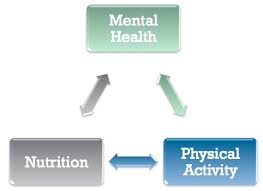
    The Relationship Between:

    Nutrition, Physical Activity and Mental Health

    MH PA N


    Bev and Mike Wagner of doTERRA Essential Oils

    “Natural Solutions to Healthcare an Introduction to Essential Oils”

    Free Hand Massage and Demonstration

    Sign up for AromaTouch Massage on Monday suggested donation $50.00

    aromatouchtech

    Duane Grimes with Rife Technologies

    Using Frequency to Improve Health

    Free Demonstrations Sunday & Monday

    average-body-frequencies

    David Powell with Team RWB

    Team RWB Springfield

    Enriching the Lives of America’s Veterans

    Through Physical and Social Activities

    RWB

    Also for those wanting to stretch their legs after the workshop:

    Join Nii Anyetei Akofio-sowah with Team RWB

    He will carry the American Flag on a one mile run/workout through the city of Buffalo, MO

    The run/workout should start around 5:15 pm @ O’Bannon Bank and will finish at AMVETS

    January 11, 2015 @ 12:30 pm

    Location: O’Bannon Bank   1347 S Ash St, Buffalo, MO 65807
    Join Us at AMVETS after the Presentation (1005 North Ash Street)
    To Register Contact: (609)510-4007 or mkjish@aol.com or ozarkswellness@aol.com

  • Wellness Workshop

    Wellness Workshop

    Do you or someone you know suffer with a chronic mental or physical condition?

    Did you know there are solutions available that could ease your/their burden?

    Ozarks Wellness Center Presents:

    Sunday, January 11, 2015 12:30 – 5:00pm

    Mary Kay Schultz, LCSW: Ozarks Wellness Center

    MH PA N

    The Relationship Between:

    Nutrition, Physical Activity and Mental Health

    Mike and Bev Wagner: DoTerra Essential Oils

    aromatouchtech

    “Natural Solutions to Healthcare an Introduction to Essential Oils”

     Free Hand Massage Demonstrations

    $50.00 Suggested Donation for AromaTouch Technique Massage Demonstrations

    Duane Grimes: Rife Machine Specialist

    average-body-frequencies

    Using Frequency to Improve Health

     Free Demonstrations

    David Powell: Team RWB Springfield

    RWB

    Team RWB Springfield

    Enriching the Lives of America’s Veterans
    Through Physical and Social Activities


    Location: O’Bannon Bank   1347 S Ash St, Buffalo, MO 65807
    Join Us at AMVETS after the Presentation (1005 North Ash Street)
    To Register Contact: (609)510-4007 or mkjish@aol.com or ozarkswellness@aol.com

  • Seretonin, Digestion and Your Mood ~ Is Your Gut A Second Brain?

    Seretonin, Digestion and Your Mood ~ Is Your Gut A Second Brain?

    Some people may say you are what you eat.  Some can look at your face and make a good guess as to what you’re eating.  One  reason for this is because our emotions are closely related to the serotonin levels we are able to produce.  A person may wonder what does serotonin have to do with digestion and our intestines?

    A vital aspect of our digestive system is its role in the production of serotonin – the body’s natural “Feel Good Hormone”. Over ninety-five percent of the body’s serotonin is found in the gastrointestinal (GI) tract, which has been called the body’s “second brain” because of its role in serotonin production and so many of the body’s vital functions. In fact, serotonin levels have been linked to everything from autism to constipation.

    Serotonin is a key player in the functioning of GI tract muscles, causing the contraction of our intestines, and triggering the gut nerves which signal pain, nausea, and other GI problems. As well, it influences the functioning of the cardiovascular, immune, and renal systems. This amazing hormone also regulates aggression, appetite, cognition, mood, sexual behavior, and even sleep.

    A neurotransmitter (chemical by which nerve cells communicate with each other or with muscles), serotonin is manufactured in our bodies from the amino acid tryptophan, which is derived from the food we eat. Diet, then, influences not only the state of our digestive system and overall physical health, it also has a profound impact on memory, mental clarity, mood, and even the foods we crave; these functions are all regulated by serotonin.

    • The Mayo Clinic found that serotonin plays a key role in controlling depression.
    • The Brain, Behavior, and Immunity journal reports that tryptophan, the amino acid from which serotonin is manufactured, assists in memory retention as well as maintaining a good mood, especially among people with a family history of depression.
    • University of Texas Southwestern Medical Center research sheds light on how serotonin works to suppress appetite.

    Optimal nutrition and digestion is crucial to the production and function of serotonin and that, in turn, plays a vital role in everything from our mental health to our ability to get a good night’s sleep.  (Healthy Digestion & The Secret Life of Serotonin, Jo Jordan and Jim Danna, M.A. 2014)

    The American Pain Society along with the University of Wisconsin report “Narcotic pain medicine causes constipation in most people.  This medicine slows down bowel movements moving through the intestine.  This causes the stool to become hard.  If you have hard bowel movements, have trouble passing bowel movements, and the movements are not often enough, then you have constipation.” The Harvard Medical School Family Health Guide describes “But even short-term use of the opioids poses problems. One of the major ones is the mundane but essential matter of having regular bowel movements.” This interferes with serotonin development which is linked together with mood issues.  This may be an important consideration for those in recovery from substance abuse, as well as, those being treated for chronic painful conditions.


    http://www.ncbi.nlm.nih.gov/pubmed/20232617

    http://www.ncbi.nlm.nih.gov/pubmed/10418549

    http://www.ncbi.nlm.nih.gov/pmc/articles/PMC2077351/

  • Team RWB Veteran Statisitcs

    Team RWB Veteran Statisitcs

    Team RWB is comprised of both military and civilian team members.  The mission of Team RWB is to enrich the lives of America’s veterans by connecting them to their community through physical and social activity.   Here are some statistics I found on the webpage www. teamrwb.org:


    How many individuals represent Team RWB?

    Founded in 2010, Team RWB and its 56,000 members are bringing veterans, their families, and American citizens together through authentic social interaction, community physical fitness and shared experiences in over 115 communities across the globe.

    How many Americans have been deployed since September 2001?

    Nearly 2.5 million American men and women have deployed in support of Operations Enduring Freedom and Iraqi Freedom since September 2001.

    How many service members will retire in the next 5 years?

    Approximately 1 million service members will retire or separate from the military over the next 5 years.

    How many veterans do not return to their hometown upon completion of service?

    58% of veterans do not return to their hometown upon completion of service.

    How many veterans are more likely to exercise with a group?

    41% of veterans stated that they are more likely to exercise if they can do it with a group or team.

    Are significantly stressed individuals likely to be depressed?

    People who have experienced significant stress are 2.5 times more likely to be depressed.

    What is natural equivalent to SSRI drug therapies for depression and anxiety?

    A number of studies have shown exercise to be the non-drug equivalent of SSRI drug therapies or psychotherapy for depression and anxiety.

    How many veterans are estimated to be undiagnosed with PTSD?

    The VA estimates there are nearly 400,000 untreated cases of post-traumatic stress disorder.

    What percentage of returning combat veterans may have mental health conditions?

    A 2009 Rand report estimates that 26% of returning combat veterans may have mental health conditions (PTSD, anxiety, depression).

  • Back to Basics ~ How to Stop Out of Control Thoughts ~ The 3 C’s Rule

    Back to Basics ~ How to Stop Out of Control Thoughts ~ The 3 C’s Rule

    1. Catch the Thought
    Sometimes in life people find that thoughts come racing through their heads.  I notice this with many who are early in a recovery process. These thoughts make it hard to concentrate and also often cause emotional distress. The first thing to do is to catch the thought. Notice it and take a hold of it.

    capture thought


    2. Check the Thought
    It could be that this thought is not true or helpful.  Sometimes people have thoughts that replay in their heads that are related to beliefs about themselves and the world that are not true but they never learned to challenge them. Don’t be afraid to look at these thoughts and really examine them.

    out of control thoughts


    3. Change the Thought
    Many times the thought is not productive and if this is the case, I encourage you to change the thought to something that is true and helpful.

    thoughts copy


    In my experience, helping people change how they think about themselves and the world around them is one of the most freeing things that we do in therapy.  Some people have been taught from early on in life that they are not important or they will never amount to anything.  Even though nothing can be farther from the truth, they interact in the world based upon this false belief about themselves.  We have the ability to change this process.  When we choose to choose thoughts that are true and more productive there are many benefits.

    Dr. Caroline Leaf describes, “By not controlling our thoughts, we create the conditions for illness – research shows that “fear alone” triggers more than 1400 known physical and chemical responses, and activates more than 30 different hormones in the body. Science believes that thoughts are basically neurological responses to stimuli that are shaped by past experiences – therefore it is important for us to exercise extreme care with regard to what stimuli we allow to enter into our thought processes.  Toxic   waste generated by “toxic thoughts” causes the following illnesses: diabetes, cancer, asthma, skin problems, and allergies just to name a few. Everything we see, hear, or read has the potential to shape our thinking, and what we think about affects us physically and emotionally.

  • The Twelve Steps and Twelve Traditions of Alcoholics Anonymous

    The Twelve Steps and Twelve Traditions of Alcoholics Anonymous

    The Twelve Steps of Alcoholics Anonymous

    1. We admitted we were powerless over alcohol-that our lives had become unmanageable.
    2. Came to believe that a Power greater than ourselves could restore us to sanity.12steps2
    3. Made a decision to turn our will and our lives over to the care of God as we understood Him.
    4. Made a searching and fearless moral inventory of ourselves.
    5. Admitted to God, to ourselves, and to another human being the exact nature of our wrongs.
    6. Were entirely ready to have God remove all these defects of character.
    7. Humbly asked Him to remove our shortcomings.
    8. Make a list of all persons we had harmed, and became willing to make amends to them all.
    9. Made direct amends to such people wherever possible, except when to do so would injure them or others.
    10. Continued to take personal inventory and when we were wrong promptly admitted it.
    11. Sought through prayer and meditations to improve our conscious contact with God as we understood Him, praying only for knowledge of His will for us and the power to carry that out.
    12. Having had a spiritual awakening as the result of these steps, we tried to carry this message to alcoholics, and to practice these principles in all our affairs.


    The Twelve Traditions of Alcoholics Anonymous – Short Form

    1. Our common welfare should come first; personal recovery depends upon AA unity.
    2. For our group purpose there is but one ultimate authority-a loving God as He may express Himself in our group conscience. Our leaders are but trusted servants; they do not govern.
    3. The only requirement for AA membership is a desire to stop drinking.
    4. Each group should be autonomous except in matters affecting other groups or AA as a whole.
    5. Each group has but one primary purpose-to carry its message to the alcoholic who still suffers.
    6. An AA group ought never endorse, finance or lend the AA name to any related facility or outside enterprise, lest problems of money, property and prestige divert us from our primary purpose.
    7. Every AA group ought to be fully self-supporting, declining outside contributions.
    8. Alcoholics Anonymous should remain forever nonprofessional, but our service centers may employ special workers.
    9. Alcoholics Anonymous as such, ought never be organized; but we may create service boards or committees directly responsible to those they serve.
    10. Alcoholics Anonymous has no opinion on outside issues; hence the AA name ought never be drawn into public controversy.
    11. Our public relations policy is based on attraction rather than promotion; we need always maintain personal anonymity at the level of press, radio and films.
    12.  12 steps 12 traditions AA big bookAnonymity is the spiritual foundation of all our Traditions, ever reminding us to place principles before personalities.

  • Boundaries

    Boundaries

    Boundaries:

    Concept 1 ~ Each person is responsible for their own actions and the consequences of those actions.
    Concept 2 ~ We are keeping another person in an immature state by taking responsibility for his/her actions or the consequences for his/her actions.

    In order to ultimately help and love someone, it’s better to be honest with ourselves and them. This will help them grow in character and they will be happier in the long run.

    In the story below, the writer is describing Step 10 (of the 12 steps in AA) ~ “We continued to take personal inventory, and when we were wrong, promptly admitted it.” This is a good illustration of how group members in a good meeting hold each other accountable.

    http://nanaimoaa.org/…/step-10-continued-to-take-personal-…/

    (see note about 12 Steps)

    boundaries-1

  • What is wellness?

    What is wellness?

    Wellness involves examining and improving all aspects of our lives.  In order to preserve wellness, it is important to maintain a well balanced lifestyle.   Some areas of wellness include:

    • Physical Wellness ~Physical wellness promotes proper care of our bodies for optimal health and functioning. There are many elements of physical wellness that all must be cared for together. Overall physical wellness encourages the balance of physical activity, nutrition, personal care and mental well-being to keep your body in top condition.
    • Mental Wellness ~ According to the World Health Organization, mental health is defined as “a state of well-being in which the individual realizes his or her own abilities, can cope with the normal stresses of life, can work productively and fruitfully, and is able to make a contribution to his or her community.” Wellness in this area involves using one’s cognitive abilities to enhance other areas of his/her life.
    • Spiritual Wellness ~ Spiritual wellness the ability to use values and beliefs to clarify one’s purpose in life events. Spirituality is a term used in relation to spiritual wellness. Your “spirit” usually refers to the deepest part of you and is different from your soul. Specific disciplines are essential in order to grow in this area; just as with Physical Wellness.
    • Emotional Wellness ~ Emotional wellness involves the ability to adapt with change and conflict by managing emotions and maintaining balance in other areas of our lives.  Emotional Intelligence (EI) is related to emotional wellness.  Psychology today describes EI as “the ability to identify and manage your own emotions and the emotions of others.  It is generally said to include 3 skills:
      1. Emotional awareness, including the ability to identify your own emotions and those of others;
      2. The ability to harness emotions and apply them to tasks like thinking and problems solving;
      3. The ability to manage emotions, including the ability to regulate your own emotions, and the ability to cheer up or calm down another person.”
    • Social Wellness ~ Social wellness is the ability to relate and connect with people resulting in favorable responses for self and others.

    Wellness is much more than merely physical health, exercise or nutrition. It is the full integration of states of physical, mental, and spiritual well-being. The model used by our facility includes social, emotional, spiritual, mental,  and physical wellness.  This also includes, relationships and fitness at one’s place of employment, financial fitness and many other areas that we see incorporated into our main categories.

    ozarkswellness cov ph

  • Wellness Programs and Recovery Groups

    Team RWB ~ Team Red White and Blue’s (RWB) mission is to enrich the lives of America’s veterans by connecting them to their community through physical and social activity.
    teamrwb.org

    Alcoholics Anonymous ~ “Alcoholics Anonymous (AA) is an international fellowship of men and women who have had a drinking problem. It is nonprofessional, self-supporting, multiracial, apolitical, and available almost everywhere. There are no age or education requirements. Membership is open to anyone who wants to do something about his or her drinking problem.”  AA uses the 12 step recovery model to help recovering alcoholics through the process of change in their lives.
    http://www.aa.org/

    Western MO AA
    http://www.wamo-aa.org/

    Narcotics Anonymous ~ “Narcotics Anonymous (NA) is a nonprofit fellowship or society of men and women for whom drugs had become a major problem. NA is a nonprofessional community support group recovering addicts who meet regularly to help each other stay clean. This is a program of complete abstinence from all drugs. There is only one requirement for membership, the desire to stop using.” NA uses the 12 step recovery model to help recovering addicts through the process of change in their lives.
    http://www.na.org/meetingsearch/download-pdf.php

    Addictions Victorious ~  Addictions Victorious (AV) is a network of Bible centered support and recovery groups. AV meetings are open to men and women of all ages who struggle with various addictions and are seeking lasting change in their lives. AV is also for loved ones and friends who find themselves on the other side of addiction.  Most AV groups use the 12 step recovery model to help recovering addicts and their family members through the process of change in their lives.
    http://www.addictsvictorious.com/meetings_available.php

    Alanon ~ The Al-Anon Family Groups are a fellowship of relatives and friends of alcoholics who share their experience, strength, and hope in order to solve their common problems. Alanon uses the 12 step model to assist friends and family members through the process of change in their lives.
    http://www.missouri-al-anon.org/

    Alateen ~ Alateen is a nonprofessional support group for teenagers who have family members that struggle with addiction.  Alateen uses the 12 step recovery model.
    http://www.al-anon.org/for-alateen

    Naranon ~ The Nar-Anon Family Groups is primarily for those who know or have known a feeling of desperation concerning the addiction problem of someone very near to you.  Naranon uses the 12 step recovery model.
    http://www.nar-anon.org/

    Celebrate Recovery ~ Celebrate Recovery (CR) also referred to as CR, is a Bible- based approach to recovery.  CR uses 8 principals in their recovery program.
    http://www.celebraterecovery.com/

    SOUTHWEST MISSOURI MINORITY HEALTH ALLIANCE ~ DIRECTORY OF COMMUNITY HEALTH RESOURCES
    http://health.mo.gov/living/families/minorityhealth/pdf/SWResourceDirectory.pdf

  • An Overview of ADHD

    An Overview of ADHD

    ADHD is neither a “new” mental health problem nor is it a disorder created for the purpose of personal gain or financial profit by pharmaceutical companies, the mental health field, or by the media. It is a very real behavioral and medical disorder that affects millions of people nationwide. According to the National Institute of Mental Health (NIMH), ADHD is one of the most common mental disorders in children and adolescents. According to NIMH, the estimated number of children with ADHD is between 3% – 5% of the population. NIMH also estimates that 4.1 percent of adults have ADHD.

    Although it has taken quite some time for our society to accept ADHD as a bonafide mental health and/or medical disorder, in actuality it is a problem that has been noted in modern literature for at least 200 years. As early as 1798, ADHD was first described in the medical literature by Dr. Alexander Crichton, who referred to it as “Mental Restlessness.” A fairy tale of an apparent ADHD youth, “The Story of Fidgety Philip,” was written in 1845 by Dr. Heinrich Hoffman. In 1922, ADHD was recognized as Post Encephalitic Behavior Disorder. In 1937 it was discovered that stimulants helped control hyperactivity in children. In 1957 methylphenidate (Ritalin), became commercially available to treat hyperactive children.

    The formal and accepted mental health/behavioral diagnosis of ADHD is relatively recent. In the early 1960s, ADHD was referred to as “Minimal Brain Dysfunction.” In 1968, the disorder became known as “Hyperkinetic Reaction of Childhood.” At this point, emphasis was placed more on the hyperactivity than inattention symptoms. In 1980, the diagnosis was changed to “ADD–Attention Deficit Disorder, with or without Hyperactivity,” which placed equal emphasis on hyperactivity and inattention. By 1987, the disorder was renamed Attention Deficit Hyperactivity Disorder (ADHD) and was subdivided into four categories (see below). Since then, ADHD has been considered a medical disorder that results in behavioral problems.

    Currently, ADHD is defined by the DSM IV-TR (the accepted diagnostic manual) as one disorder which is subdivided into four categories:

    1. Attention-Deficit/Hyperactivity Disorder, Predominantly Inattentive Type (previously known as ADD) is marked by impaired attention and concentration.

    2. Attention-Deficit/Hyperactivity Disorder, Predominantly Hyperactive, Impulsive Type (formerly known as ADHD) is marked by hyperactivity without inattentiveness.

    3. Attention-Deficit/Hyperactivity Disorder, Combined Type (the most common type) involves all the symptoms: inattention, hyperactivity, and impulsivity.

    4. Attention-Deficit/Hyperactivity Disorder Not Otherwise Specified. This category is for the ADHD disorders that include prominent symptoms of inattention or hyperactivity-impulsivity, but do not meet the DSM IV-TR criteria for a diagnosis.

    To further understand ADHD and its four subcategories, it helps to illustrate hyperactivity, impulsivity, and/or inattention through examples.

    Typical hyperactive symptoms in youth include:

    Often “on the go” or acting as if “driven by a motor”
    Feeling restless
    Moving hands and feet nervously or squirming
    Getting up frequently to walk or run around
    Running or climbing excessively when it’s inappropriate
    Having difficulty playing quietly or engaging in quiet leisure activities
    Talking excessively or too fast
    Often leaving seat when staying seated is expected
    Often can’t be involved in social activities quietly

    Typical symptoms of impulsivity in youth include:

    Acting rashly or suddenly without thinking first
    Blurting out answers before questions are fully asked
    Having a difficult time awaiting a turn
    Often interrupting others’ conversations or activities
    Poor judgment or decisions in social situations, which result in the child not being accepted by his/her own peer group.

    Typical symptoms of inattention in youth include:

    Not paying attention to details or makes careless mistakes
    Having trouble staying focused and being easily distracted
    Appearing not to listen when spoken to
    Often forgetful in daily activities
    Having trouble staying organized, planning ahead, and finishing projects
    Losing or misplacing homework, books, toys, or other items
    Not seeming to listen when directly spoken to
    Not following instructions and failing to finish activities, schoolwork, chores or duties in the workplace
    Avoiding or disliking tasks that require ongoing mental effort or concentration

    Of the four ADHD subcategories, Hyperactive-Impulsive Type is the most distinguishable, recognizable, and the easiest to diagnose. The hyperactive and impulsive symptoms are behaviorally manifested in the various environments in which a child interacts: i.e., at home, with friends, at school, and/or during extracurricular or athletic activities. Because of the hyperactive and impulsive traits of this subcategory, these children naturally arouse the attention (often negative) of those around them. Compared to children without ADHD, they are more difficult to instruct, teach, coach, and with whom to communicate. Additionally, they are prone to be disruptive, seemingly oppositional, reckless, accident prone, and are socially underdeveloped.

    Parents of ADHD youth often report frustration, anger, and emotional depletion because of their child’s inattention, impulsivity, and hyperactivity. By the time they receive professional services many parents of ADHD children describe complex feelings of anger, fear, desperation, and guilt. Their multiple “failures” at getting their children to focus, pay attention, and to follow through with directions, responsibilities, and assignments have resulted in feelings of hopelessness and desperation. These parents often report feeling guilty over their resentment, loss of patience, and reactive discipline style. Both psychotherapists and psychiatrists have worked with parents of ADHD youth who “joke” by saying “if someone doesn’t help my child, give me some medication!”

    The following statistics (Dr. Russel Barkley and Dr. Tim Willens) illustrate the far reaching implications of ADHD in youth.

    ADHD has a childhood rate of occurrence of 6-8%, with the illness continuing into adolescence for 75% of the patients, and with 50% of cases persisting into adulthood.

    Boys are diagnosed with ADHD 3 times more often than girls.

    Emotional development in children with ADHD is 30% slower than in their non-ADHD peers.

    65% of children with ADHD exhibit problems in defiance or problems with authority figures. This can include verbal hostility and temper tantrums.

    Teenagers with ADHD have almost four times as many traffic citations as non-ADD/ADHD drivers. They have four times as many car accidents and are seven times more likely to have a second accident.

    21% of teens with ADHD skip school on a regular basis, and 35% drop out of school before finishing high school.

    45% of children with ADHD have been suspended from school at least once.

    30% of children with ADHD have repeated a year of school.

    Youth treated with medication have a six fold less chance of developing a substance abuse disorder through adolescence.

    The juvenile justice system is composed of 75% of kids with undiagnosed learning disabilities, including ADHD.

    ADHD is a genetically transmitted disorder. Research funded by the National Institute of Medical Health (NIMH) and the U.S. Public Health Service (PHS) have shown clear evidence that ADHD runs in families. According to recent research, over 25% of first-degree relatives of the families of ADHD children also have ADHD. Other research indicates that 80% of adults with ADHD have at least one child with ADHD and 52% have two or more children with ADHD. The hereditary link of ADHD has important treatment implications because other children in a family may also have ADHD. Moreover, there is a distinct possibility that the parents also may have ADHD. Of course, matters get complicated when parents with undiagnosed ADHD have problems with their ADHD child. Therefore, it is crucial to evaluate a family occurrence of ADHD, when assessing an ADHD in youth.

    Diagnosing Attention Deficit Disorder Inattentive Type in youth is no easy task. More harm than good is done when a person is incorrectly diagnosed. A wrong diagnosis may lead to unnecessary treatment, i.e., a prescription for ADHD medication and/or unnecessary psychological, behavioral and/or educational services. Unnecessary treatment like ADHD medication may be emotionally and physically harmful. Conversely, when an individual is correctly diagnosed and subsequently treated for ADHD, the potential for dramatic life changes are limitless.

    A medical doctor (preferably a psychiatrist) or another licensed, trained, and qualified mental health professional can diagnose ADHD. Only certain medical professionals can prescribe medication. These are physicians (M.D. or D.O.), nurse practitioners, and physician assistants (P.A.) under the supervision of a physician. However, psychiatrists, because of their training and expertise in mental health disorders, are the best qualified to prescribe ADHD medication.

    While the ADHD Hyperactive Type youth are easily noticed, those with ADHD Inattentive Type are prone to be misdiagnosed or, worse, do not even get noticed. Moreover, ADHD Inattentive Type youth are often mislabeled, misunderstood, and even blamed for a disorder over which they have no control. Because ADHD Inattentive Type manifests more internally and less behaviorally, these youth are not as frequently flagged by potential treatment providers. Therefore, these youth often do not receive potentially life-enhancing treatment, i.e., psychotherapy, school counseling/coaching, educational services, and/or medical/psychiatric services. Unfortunately, many “fall between the cracks” of the social service, mental health, juvenile justice, and educational systems.

    Youth with unrecognized and untreated ADHD may develop into adults with poor self concepts low self esteem, associated emotional, educational, and employment problems. According to reliable statistics, adults with unrecognized and/or untreated ADHD are more prone to develop alcohol and drug problems. It is common for adolescents and adults with ADHD to attempt to soothe or “self medicate” themselves by using addictive substances such as alcohol, marijuana, narcotics, tranquilizers, nicotine, cocaine and illegally prescribed or street amphetamines (stimulants).

    Approximately 60% of people who had ADHD symptoms as a child continue to have symptoms as adults. And only 1 in 4 of adults with ADHD was diagnosed in childhood-and even fewer are treated. Thanks to increased public awareness and the pharmaceutical corporations’ marketing of their medications, more adults are now seeking help for ADHD. However, many of these adults who were not treated as children carry emotional, educational, personal, and occupational “scars.” As children, these individuals, did not feel “as smart, successful and/or likable” as their non ADHD counterparts. With no one to explain why they struggled at home, with friends, and in school, they naturally turned inward to explain their deficiencies. Eventually they internalize the negative messages about themselves, thereby creating fewer opportunities for success as adults.

    Similarly to youths, adults with ADHD have serious problems with concentration or paying attention, or are overactive (hyperactive) in one or more areas of living. Some of the most common problems include:

    Problems with jobs or careers; losing or quitting jobs frequently
    Problems doing as well as you should at work or in school
    Problems with day-to-day tasks such as doing household chores, paying bills, and organizing things
    Problems with relationships because you forget important things, can’t finish tasks, or get upset over little things
    Ongoing stress and worry because you don’t meet goals and responsibilities
    Ongoing, strong feelings of frustration, guilt, or blame

    According to Adult ADHD research:

    ADHD may affect 30% of people who had ADHD in childhood.

    ADHD does not develop in adulthood. Only those who have had the disorder since early childhood really suffer from ADHD.

    A key criterion of ADHD in adults is “disinhibition”–the inability to stop acting on impulse. Hyperactivity is much less likely to be a symptom of the disorder in adulthood.

    Adults with ADHD tend to forget appointments and are frequently socially inappropriate–making rude or insulting remarks–and are disorganized. They find prioritizing difficult.

    Adults with ADHD find it difficult to form lasting relationships.

    Adults with ADHD have problems with short-term memory. Almost all people with ADHD suffer other psychological problems–particularly depression and substance abuse.

    While there is not a consensus as to the cause of ADHD, there is a general agreement within the medical and mental health communities that it is biological in nature. Some common explanations for ADHD include: chemical imbalance in the brain, nutritional deficiencies, early head trauma/brain injury, or impediments to normal brain development (i.e. the use of cigarettes and alcohol during pregnancy). ADHD may also be caused by brain dysfunction or neurological impairment. Dysfunction in the areas in the frontal lobes, basal ganglia, and cerebellum may negatively impact regulation of behavior, inhibition, short-term memory, planning, self-monitoring, verbal regulation, motor control, and emotional regulation.

    Because successful treatment of this disorder can have profound positive emotional, social, and family outcomes, an accurate diagnosis is tremendously important. Requirements to diagnose ADHD include: professional education (graduate and post graduate), ongoing training, supervision, experience, and licensure. Even with the essential professional qualifications, collaboration and input from current or former psychotherapists, parents, teachers, school staff, medical practitioners and/or psychiatrists creates more reliable and accurate diagnoses. The value of collaboration cannot be understated.

    Sound ethical practice compels clinicians to provide the least restrictive and least risky form of therapy/treatment to youth with ADHD. Medication or intensive psycho-therapeutic services should only be provided when the client would not favorably respond to less invasive treatment approaches. Therefore, it is crucial to determine whether “functional impairment” is or is not present. Clients who are functionally impaired will fail to be successful in their environment without specialized assistance, services, and/or psycho-therapeutic or medical treatment. Once functional impairment is established, then it is the job of the treatment team to collaborate on the most effective method of treatment.

    All too often, a person is mistakenly diagnosed with ADHD, not due to attention deficit issues, but rather because of their unique personality, learning style, emotional make-up, energy and activity levels, and other psycho-social factors that better explain their problematic behaviors. A misdiagnosis could also be related to other mental or emotional conditions (discussed next), a life circumstance including a parent’s unemployment, divorce, family dysfunction, or medical conditions. In a small but significant number of cases, this diagnosis of ADHD better represents an adult’s need to manage a challenging, willful and oppositional child, who even with these problems may not have ADHD.

    It is critical that before an ADHD diagnosis is reached (especially before medication is prescribed), that a clinician consider if other coexisting mental or medical disorders may be responsible for the hyperactive, impulsive, and/or inattentive symptoms. Because other disorders share similar symptoms with ADHD, it is necessary to consider the probability of one mental/psychological disorder over that of another that could possibly account for a client’s symptoms. For example, Generalized Anxiety Disorder and Major Depression share the symptoms of disorganization, lack of concentration, and work completion issues. A trained and qualified ADHD specialist will consider differential diagnoses in order to arrive at the most logical and clinically sound diagnosis. Typical disorders to be ruled out include: Generalized Anxiety, Major Depression, Post Traumatic Stress Disorder, and Substance Abuse Disorders. Additionally, medical explanations should be similarly sought: sleep disorders, nutritional deficiencies, hearing impairment, and others.

    When a non-medical practitioner formally diagnoses a client with ADHD, i.e. a licensed psychotherapist, it is recommended that a second opinion (or confirmation of the diagnosis) be sought from a psychiatrist. Psychiatrists are medical practitioners who specialize in the medical side of mental disorders. Psychiatrists are able to prescribe medicine that may be necessary to treat ADHD. In collaboration, the parents, school personnel, the referring psychotherapist, and the psychiatrist, will monitor the effectiveness of the medical component of the ADHD treatment.

    In summary, ADHD is a mental health and medical disorder that has become increasingly more accepted and consequently treated more effectively. To achieve high professional assessment, diagnostic, educational, and treatment standards, it is important that trained and qualified practitioners understands the multidimensional aspects of ADHD: history, diagnosis, statistics, etiology, and treatment. Training, experience, a keen interest for details, a solid foundation of information, and a system of collaboration creates the potential for positive outcomes in the treatment of ADHD.

    References and citations are available upon email request: Rossr61@comcast.net

    Clinical Care Consultants
    “Counselors Who Care”

    3325 N Arlington Heights Rd., Ste 400 B
    Arlington Heights, IL 60004

    http://clinicalcareconsultants.com
    ClinicalCareConsultants@gmail.com

    (847) 749-0514
    Fax: (847) 749-2995

    Since 1988, Ross has been an administrator, professional trainer, counselor/psychotherapist, and an administrator in the mental health, social service and/or child welfare fields.

    Over the span of his career, Ross has worked with individuals who struggle with substance abuse, addictions, and co-addictions (Codependency). Ross’s addiction work includes chemical addictions (drugs/alcohol) and process or behavior addictions (sexual addiction, Internet addictions, gambling addictions, and spending addictions. Ross’s addiction services include counseling or all types, assessments, and training and consultation services. Ross is considered an expert therapist, consultant and trainer in the field of Sexual and Internet Addictions.

    Ross is an established Illinois and nationally based professional trainer. Some of Ross’s trainings include
    Sex Addiction: from A to Z
    Caught in the Web: Cybersex, Romance and Fantasy Addiction
    The Continuum of Self: The Attraction between Codependents and Narcissists
    Therapy in the 21st Century: Technology’s Influence on Clinical Practice

    Ross’s Codependency counseling has enabled his clients to achieve balance, mutuality, and feelings of respect and appreciation in their lives. Ross’s specialties include: challenging teens, parenting issues, substance abuse, addictions, ADD, adult survivors of childhood abuse or neglect, trauma survivors, depression and/or anxiety, and grief and bereavement.

    Ross’s counseling style is solution focused, analytical, and educational while also being warm, intuitive, spiritual, and compassionate. Ross’s spirituality and metaphysical understanding enables him to reach people with diverse religious and spiritual beliefs. According to Ross, “for every problem, there is a solution; and within a warm and respectful therapeutic relationship lies the power to overcome the most seemingly overwhelming obstacles.”

    Article Source: http://EzineArticles.com/?expert=Ross_Rosenberg

    Article Source: http://EzineArticles.com/2966982