Category: Fitness

  • dōTERRA™ Wellness Philosophy

    dōTERRA™ Wellness Philosophy

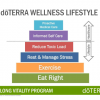
    dōTERRA™ Essential Wellness is a company founded on a wellness philosophy of healthy lifestyle choices and informed proactive participation in one’s own healthcare alternatives. dōTERRA’s Certified Pure Therapeutic Grade™ essential oils and other wellness products are specifically formulated to support a wellness philosophy of eating right, exercising, resting and managing stress, and reducing toxic load. dōTERRA also teaches informed self care alternatives and encourages people to take a proactive role in their medical care. Our mission as a company is to teach people to live more healthy, productive lives and to share with others the blessing of a lifetime of wellness.

    header_wellnessphilosophy


    Eating Right

    Eating right is a matter of quality and quantity. Our diets should be rich in foods with an abundance of antioxidants, vitamins, minerals, and enzymes. A healthy diet also includes low-fat sources of protein, moderate amounts of complex carbohydrates, and limited fats. Eating right means choosing fresh, whole, unprocessed foods and avoiding foods that are over processed and contain high levels of simple sugars and saturated fats. The dōTERRA philosophy of eating right also includes the daily consumption of dietary supplements to ensure optimal levels of key nutrients that are essential for longevity and wellness.

    Exercising

    Regular, moderate exercise is essential for optimal physical and emotional wellness. Coupled with eating right, regular exercise can help one maintain healthy body weight and composition. Healthy activity begins with taking the stairs, walking to lunch, and generally having a “mentality of movement.” A more complete exercise program includes aerobic activity, flexibility exercise, and strength training.

    Rest and Manage Stress

    Living healthy includes appropriate time for rest and relaxation. Regular sleep is an often skipped, but essential practice for optimal health. Managing stress is also important to maintaining good health. When we do not allow our bodies appropriate time for rest and regeneration, we can compromise our immune defenses and may become more prone to infection and disease. Chronic stress remains a significant health threat and has been tied to numerous degenerative conditions.

    Reduce Toxic Load

    In spite of our best efforts to practice good wellness habits, we can be exposed to toxic environmental stressors that can have deleterious effects on our health. Common toxic stressors include overexposure to UV rays, toxic ingredients in products throughout our homes, and chemical pollutants in our air and water. Being aware of these toxic threats to our health and choosing products that provide protection and peace of mind from such toxins are also important to optimal wellness.

    Informed Self Care

    When we experience sub-optimal heath conditions, there are many self-care alternatives that can provide safe and effective relief of symptoms and long-term solutions to problems. Reaching for a prescription or over-the-counter drug may not always be the best first alternative to taking care of one’s self when sick. dōTERRA’s therapeutic-grade essential oils and other wellness products are formulated to support the body’s own natural ability to keep itself healthy and can be used effectively in combination with traditional and alternative medical practices. (dōTERRA’s wellness products have not been evaluated by the Food and Drug Administration and are not intended to diagnose, treat, cure, or prevent any disease.)

    Proactive Medical Care

    When a person is suffering from acute sickness or has been diagnosed with a disease, it is important they seek out competent and qualified medical professionals for immediate help. It is also important they take a proactive role in their personal course of treatment by learning as much as they can about their health challenge and choosing a physician who will both inform and be open to information.

    Following these healthy practices of eating right, exercising, resting and managing stress, reducing toxic load, practicing informed self care, and taking a proactive role in one’s medical care, coupled with the regular use of dōTERRA’s essential wellness products will help one live a healthier, longer life.

    © 2008 DoTerra Holdings, LLC, Unauthorized duplication strictly prohibited.
  • Blocks To Effective Listening

    Blocks To Effective Listening

    Just being quiet while someone talks DOES NOT constitute good listening. To be capable listener, you MUST collaborate in the process by asking questions and getting feedback from the speaker to determine if you are understanding him or her correctly. The goal is to give the speaker the feeling of having been HEARD.

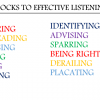
    The first step to becoming a good listener is to become aware of the ways in which you distract yourself from giving your complete attention to the task. The following is a list of the twelve blocks to good listening. Some of them you may recognize as ways you typically block yourself from effective listening.


    COMPARING

    Trying to figure out, while the other is speaking, who is better/has more/does something less, etc. in any number of categories.


    MIND READING

    Ignoring what the person is saying and trying to figure out what he/she really means. You may just assume that you already know what is going to be said or what the speaker means without using any paraphrasing or asking any questions to confirm YOUR belief.


    REHEARSING

    You are so busy rehearsing what you are going to say next, that you don’t pay any attention to what is being said.


    FILTERING

    You hear only that which you want to hear and you screen out everything else.


    JUDGING

    You discount the speaker’s value for you and, having thus written him/her off, you don’t pay much attention to what he/she has to say.


    DREAMING

    You listen half-heartedly until something the speaker says sends you off into your own world, thinking about some similar aspect of your own life.


    IDENTIFYING

    As the speaker shares his/her experience, you relate it back to your own life. (This is similar to dreaming.)

    ADVISING

    You listen to only a few sentences and then begin to search for and offer advice. Frequently, you miss hearing the speaker’s feelings and/or the full scope of what the speaker hoped to get across, leaving the speaker feeling misunderstood when you offer your premature advice.


    SPARRING

    You focus on finding things to disagree with and then begin arguing and/or debating with the speaker. The speaker never has an opportunity to feel understood because you are so quick to disagree.


    BEING RIGHT

    You will go to any lengths to avoid being “wrong,” including reciting a litany of the speaker’s past errors, shouting, rationalizing, making excuses, and accusing the speaker of other transgressions.


    DERAILING

    You change the subject if you get bored or uncomfortable with the topic being discussed. The more anxious or bored you get, the more frequently you change the subject.


    PLACATING

    You agree with everything the speaker says in order to be liked or to avoid conflict. You turn on your “Awn-Haw Machine,” and half-listen, but only for questions such as “What do you think?” To which you may respond, “I’m not sure” or “I don’t know, you’re probably right.”

  • The Elephant and The Ant ~ Listen to Bev and Jen

    The Elephant and The Ant ~ Listen to Bev and Jen

    This past Monday’s training on their weekly webinar was called“We Are Diamond” & “Cedarwood Essential Oil”.  Check it out.  Usually these are for our team but the training section was SO great I thought I would share it for everyone. Maybe your ant will get bigger than your elephant!


  • dōTERRA Juniper Berry Essential Oil

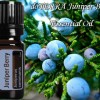
    dōTERRA Juniper Berry Essential Oil

    PRIMARY BENEFITS

    • Supports healthy kidney and urinary function
    • May benefit problematic skin areas
    • Acts as a natural cleansing and detoxifying agent
    • Helps relieve tension and stress

    PRODUCT DESCRIPTION

    Derived from the coniferous tree, Juniper Berry essential oil has a rich history of traditional uses and therapeutic benefits. Juniper Berry acts as a natural cleansing agent, both internally and externally. Juniper Berry supports healthy kidney and urinary function and is very beneficial to the skin. Its woody, spicy, yet fresh aroma has a calming effect that helps relieve tension and stress. When diffused, Juniper Berry helps to cleanse and purify the air.

    USES

    • Add 1–2 drops to water or citrus drinks as part of a natural cleansing regimen.
    • Apply 1 drop to problematic skin areas to promote a clear, healthy complexion.
    • Diffuse with citrus oils to freshen and purify the air and to lessen stress.

    DIRECTIONS FOR USE

    Diffusion: Use three to four drops in the diffuser of your choice.

    Internal use: Dilute one drop in 4 fl. oz. of liquid.

    Topical use: Apply one to two drops to desired area.

    Dilute with dōTERRA Fractionated Coconut Oil to minimize any skin sensitivity.

  • Why is Protein Important?

    Why is Protein Important?

    Dr. Axe shares about the importance of protein and how it can benefit your physical performance and overall health. Whether you’re a weekend warrior, trying to lose weight, or a regular athlete, protein benefits everyone. Protein is the building block of our cells and muscles. It improves your metabolism, fat-burning potential, and supports your body’s tissues and cells. The average person needs about half their body weight in protein. If you weigh 150 pounds, then you need about 75 grams of protein a day. The best forms of protein you should be consuming are grass-fed beef, organic chicken and turkey, wild caught salmon, grass-fed organic dairy product, quality protein powders, plant-based sources of protein, flax and chia seeds, and other nuts and seeds and beans. 

    The biggest benefits of consuming protein include fat-burning, improving muscle recovery, healing cuts and wounds, essential for fighting diabetes and blood sugar, essential for brain function, essential for cholesterol, and high energy levels. When buying protein, making sure it’s from grass-fed, organic, natural sources is vital because it’s important in terms of healing your body.


  • Reveal Facial System

    Reveal Facial System

    PRODUCT DESCRIPTION

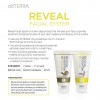
    Enjoy a spa-like facial treatment in the comfort of your home with the Reveal Facial System—a carefully formulated, two-step process that gives your skin an amazing, youthful glow.

    Step 1:

    Refining Polish—purify and cleanse with tiny polishing beads, botanical enzymes, and Wild Orange and Lime essential oils as you exfoliate away dead skin cells and impurities, promote healthy circulation, prompt collagen and other skin-saving substances, and increase your skin’s ability to absorb important nutrients and moisture with a luxurious, light massage.

    Step 2:

    Peptide Activator—support and strengthen as you deliver the vital nutrients and peptides that your skin needs.


    Key Ingredients And Benefits

    • Wild Orange and Lime CPTG Certified Pure Therapeutic Grade® essential oils provide a cleansing and purifying boost to the skin.
    • Pumpkin Enzyme assists in the exfoliation process without stressing or irritating the skin, removing dead skin cell buildup and stimulating cell rejuvenation.
    • Important peptides that help strengthen and condition helps strengthen the surface of the skin.

    DIRECTIONS FOR USE

    • Use once or twice a week, or as needed, morning or night.
    • Wash face thoroughly with a doTERRA face wash.
    • Place a thin layer of Step 1: Refining Polish on damp, freshly cleaned skin.
    • Massage gently in upward circular motions for 1 to 2 minutes. Do not wash off until Step 2 is complete.
    • Place a thin layer of Step 2: Peptide Activator onto the skin over Step 1: Refining Polish to activate the polishing beads. Continue to massage for an additional 1 to 2 minutes. This step may cause slight foaming and a warm, tingling sensation.
    • Rinse off with warm water or a damp towel.
    • Proceed with your regular facial routine of toner, serum, and moisturizer. For best results, use the Reveal Facial System in conjunction with doTERRA Essential Skin Care products.
  • Top 9 Herbs for Mental Health – Global Healing Center

    Top 9 Herbs for Mental Health – Global Healing Center

    By Dr. Edward F. Group III, DC, ND, DACBN, DCBCN, DABFM

    Ever find yourself unable to remember what you did just two minutes ago? Or maybe you experience brain fog more often than you’d like. These days it seems to happen more frequently to all of us. Information overload, stress, and even the assortment of environmental toxins which assault us on a daily basis can impact brain function. While I recommend diet, exercise, and reducing electronic activity as the best ways to get the brain back to working order, sometimes we need a little help to restore mental balance. The following nine herbs have a traditional history of promoting mental health.

    1. Mulungu Bark

    The indigenous people of South and Central America have used mulungu for centuries to calm nerves, improve mood, and aid sleep. Erythravine, one of mulungu’s active alkaloids, may also help reduce anxiety and protect brain function.  Flavonoids present in this herb are known antioxidants and have been shown to support cardiovascular health and a healthier brain.

    2. Bacopa

    Commonly known as Brahmi, Ayurvedic medicine uses bacopa to improve memory, reduce stress, and support cognitive function. Researchers observed cortisol — the body’s stress hormone– decreased in study participants who took bacopa compared with those taking a placebo.  Additional research indicates it may support the physical health of brain cells and offer some protection against brain aging and age-related diseases such as Alzheimer’s disease. 

    3. Mucuna pruriens

    Mucuna contains L. dopa, a biochemical precursor to several neurotransmitters. One of those neurotransmitters is dopamine, and increasing dopamine levels may improve brain function and support memory. This effect probably contributes to Mucuna’s popularity as an anti-aging herb. Antioxidant properties linked to Mucuna also discourage inflammation and suggest protective effects for neurons. 

    4. Rhodiola Rosea

    This traditional medicinal herb contains two powerful natural compounds that have been proven to play a role in brain health. Salidroside is one of these compounds and is known as a potent antioxidant. Rosin is the other, and this compound appears to reduce inflammation of neural cells, possibly protecting against neurotoxicity.  The results of one Swedish study showed that both of these compounds reduced fatigue, improved mood, and lowered stress hormones.  This may lead to better mental performance and a more positive response to stress and anxiety.

    5. Zizyphus jujuba

    Also known as “sour date,” Zizyphus jujuba is one of the many herbs that may support mental health while encouraging a good night’s rest. Day-to-day activities can be draining on energy levels, not to mention mental strength. The plant’s saponins have demonstrated sedative effects on animal models, possibly supporting relaxation. 

    6. Passiflora incarnata (passionflower)

    This traditional herbal sedative has been used as a sleep aid for years. Passionflower also appears to help relieve anxiety, a major cause of sleep disturbance for many individuals. Without a good night’s sleep, mental acuity becomes compromised and memory also degrades. Initial studies indicate consuming low doses of passionflower in a tea helps healthy adults achieve better sleep.

    7. Scutellaria lateriflora (skullcap)

    Native to North America, this plant has a history of use for calming nerves, easing stress, lifting the mood, and aiding sleep. Research suggests it possesses mood enhancing effects and its antioxidant properties may provide significant protection for the brain against the damaging effects of inflammation. 

    8. Kava

    The clear oceans and sandy beaches of the South Pacific may be ideal for reducing stress and promoting relaxation. For those of us unable to get there at the moment, kava may offer a positive alternative. Used traditionally to relieve stress, anxiety, and insomnia, kava contains compounds known as kavalactones. These compounds offer non-opiate and non-narcotic alternatives against anxiety. Some studies indicate kavalactones perform as well as certain pharmaceutical drugs. 

    9. Saffron

    Saffron, also known as Crocus sativus, does more than add color and flavor to food. It has a long history of use for mood disorders, stress, and anxiety. Studies have also found it as effective as antidepressants for lifting mood and relieving anxiety, significantly outperforming placebo in clinical trials.]

    Further Approaches to Brain Health

    Herbs aren’t the only way to keep the brain sharp and running smoothly. Two naturally-occurring minerals do wonders for memory, focus, and overall health. These minerals are:

    Lithium Orotate

    This mineral protects the brain from the damaging effects of environmental toxins. In doing so, lithium may offer anti-aging benefits, and studies have shown it to increase grey matter in the brain.  It also supports a positive mood and positive responses to stress and anxiety. Unlike other lithium drug forms, lithium orotate easily passes through cell walls for greater bioavailablity to mitochondria, glia, and lysosomes. This means smaller doses work better, making it safe and thereby reducing the chance of side effects.

    Zinc Orotate

    Dr. Hans Nieper discovered zinc orotate was more easily assimilated by the human body. This neutrally-charged form of zinc crosses cell membranes, getting where it’s needed most to support hormone production and balance, metabolism, tissue growth, and nerve function.

    A Final Thought

    You can easily find many of these herbs and minerals in individual preparations, although formulations which combine extracts of these plant materials increase the overall effect on mood and mental health. The reason is simple: the human body isn’t a simple machine with an easy solution for problems, especially those involving mood and mental health. Rest, sleep, and exercise remain the best place to start for reducing feelings of fatigue and mental cloudiness. Sometimes the body needs help to restore balance and find shelter from environmental toxins.

    http://www.globalhealingcenter.com/natural-health/top-9-herbs-mental-health/

  • Essential Oils for Weight Loss

    Essential Oils for Weight Loss

    In today’s video, Dr. Axe talks to you about essential oils for weight loss. So many people want to burn fat and lose weight fast in a safe way. Essential oils alone can’t get you to lose 20 pounds, however, it helps support your body in losing weight. There are three main essential oils that can help your body in weight loss. 

    The number one essential oil is grapefruit oil. It helps to activate enzymes in your saliva that help your body break down body fat. The oil of grapefruit comes from the peel, which helps support metabolism and cleansing of your lymphatic gland.

    The second essential oil to support weight loss is cinnamon oil. Cinnamon oil helps regulate blood glucose levels and GTF (glucose tolerance factor).

    The third oil that helps the body with weight loss is ginger essential oil. Ginger reduces sugar cravings, reduces inflammation in the body, and improves digestion and absorption of nutrients. This process supports cellular energy, which in turn, helps with weight loss.

    If you’re looking to lose weigh with the help of essential oils, he would recommend grapefruit, cinnamon, and ginger essential oils. You can diffuse it or apply it topically with coconut oil.


  • How Nutrient Deficiencies Can Be Causing Depression and Other Mood Disorders

    How Nutrient Deficiencies Can Be Causing Depression and Other Mood Disorders

    10 Nutritional Deficiencies That Cause Depression and Mood Disorders

    By Kate Freer

    Depression and mood disorders are devastating health problems today. When you go to your doctor, their answer is often a prescription for one of the various popular anti-depressant drugs. Many doctors do not investigate for metabolic or nutritional deficiencies that may be the ‘real problem’ for your depression. Patients have no idea why they feel so awful or where to start looking for the answer. They expect their doctor to give them real solutions. Instead they get drugs as the easy fix. Drugs are not an easy fix because of the serious side effects that come with taking them. Doctors prescribe these drugs from information they get from the drug sales rep which often is only part-truth. The side effects and dangers of these drugs are down-played or left out altogether. Prescription drugs should only be prescribed after other medical problems have been ruled out.


    Learn About 10 Nutrient Deficiencies That Cause Depression and Mood Disorder Symptoms:

    If you suffer from depression or mood disorders you may be deficient in one of the nutrients below. Researchers have found that many people who suffer from depression and mood disorders are deficient in not just one nutrient but several, all contributing to the symptoms.

    #1: Healthy Food Deficiency? Junk Food Diet

    Is your diet filled with sugar, junk foods, sodas, or processed foods? Do you often skip meals. If you suffer from depression or mood disorders, start a food diary of the foods you eat every day. You will find answers to your health problems while doing that. Your shopping cart and refrigerator tell the story of your health. My husband works as a cashier at Walmart. People shopping for their family fill their cart with junk sugar filled cereal, chips, candy, soda, , TV dinners, and over-processed food in general. Seven-Elevens thrive on selling candy, soda, and chips to the eat-on-the-run customers. There are very few fresh vegetables or fruit on the average American’s grocery list. This is why so many Americans are obese, depressed, and suffering from diabetes. If your life is not going well, eating junk food is not going to improve your outlook.

    #2: Omega-3 Fatty Acids Deficiency:

    These are found in foods such as fish and Flax Seed Oil. A deficiency of Omega-3 fatty acids or an imbalance between Omega 3 and Omega 6 fatty acids may be one of the contributing factors to your depression. Omega 3 Fatty acids are important to brain function and your mental outlook on life. They also help people who suffer from inflammation and pain problems. Researchers have found that many patients with depression and mood disorders are deficient in Omega 3 Fatty Acids. It is important to buy fish oil that has been cold processed and tested for heavy metals and other contamination. It should state that on the label.

    #3: Vitamin D Deficiency:

    Important to immune function, bones, and brain health. Sunlight is the richest source for natural Vitamin D. The Journal Clinical Nutrition in Jan 21st, 2013 published the result of research that analyzed over 18000 British citizens for Vitamin D deficiencies and associated mental disorders links. They found that a deficiency of Vitamin D was present in patients with depression and panic disorders. The study results stated that people who are deficient in Vitamin D are at higher risk for developing depression later in life. Most seniors are deficient in Vitamin D. Often people working long hours in offices are deficient as well. Get out in the sun. Take a walk during your lunch break or walk your dog. Play a game with your kids outside away from computers and the television. Get out of the house and into the sunshine. Just don’t overdo it if you are sensitive to the sun. Overdoing it is not good either.

    #4: B-Vitamins Deficiency:

    There is much research in Neuropsychiatry that proves the link between B-Vitamin deficiencies and mood disorders including depression. Buy gel capsules instead of tablets with at least 25 mg for each of the different B- Vitamins included in the formulation.

    #5: Zinc , #6 Folate,  #7 Chromium, and #8 Iron Deficiencies:

    Patients with depression are often found deficient in many nutrients including these. Often today’s foods are sadly lacking in minerals and trace minerals.

    #9: Iodine Deficiency:

    Iodine is necessary for the thyroid to work properly. The thyroid, part of the endocrine system, is one of the most important glands in your body. The thyroid gland affects every function of the body including body temperature, immune function, and brain function. Iodine is found in foods such as potatoes, cranberries, Kelp, Arame, Hiziki, Kombu, and Wakame. This problem was once solved by using Iodine enriched salt. Today iodine deficiency is again becoming a problem with salt free diets. Salty chips, processed foods, and junk food do not contain iodized salt.

    #10: Amino Acids Deficiency: There are 9 necessary amino acids that cannot be manufactured in your body. You must supply them to the body by eating quality food choices.

    Amino acids are found in meat, eggs, fish, high quality beans, seeds and nuts. You need to eat a variety of different foods to furnish the body with all the amino acids needed to be healthy. Not all foods contain all nine amino acids. Vegetable food sources for amino acids include Moringa Oleifera leaves. Your brain uses the amino acids found in the food you eat to manufacture neurotransmitters needed for optimal brain function.

    What are neurotransmitters and what do they have to do with depression?

    Healthy brain function needs the proper balance of neurotransmitters. Some neurotransmitters calm the brain and others excite the brain. Their balance in the brain creates stability of emotions and thinking. Often depression and other mental disorders are caused by imbalances in neurotransmitters. Dopamine, noradrenaline, and GABA are three important neurotransmitters often deficient in depression. Orthomolecular physicians have found that treatment with amino acids including tryptophan, tyrosine, phenylalanine, and methionine can correct different mood disorders like depression. The Orthomolecular doctor first takes urine and blood samples to test your amino acid levels. Then if he finds imbalances, you will be given amino acid supplements in the optimal dosage to correct the problem. Orthomolecular doctors treat the base cause for the depression or mental symptoms. If it is a nutritional imbalance such as a Omega 3 deficiency, you will be prescribed that supplement. Instead of treating with drugs, they treat the deficiencies that cause the mental symptoms with vitamins, minerals, and amino acids.

    There are tests that prove nutrient deficiencies. The problem is often your standard medicine doctor will not give clearance for the tests, nor will your insurance pay for them. Most doctors are not schooled in nutrition and diet. They have no time to go over your eating and lifestyle habits. Saying that, a few companies and health providers exist who do have preventive health programs. The reality is a majority of people do not get quality preventive healthcare, especially those on Medicaid or Medical. You need to visit a holistic doctor who knows his nutrition. More than likely you will have to pay out-of-pocket for the tests. You can go through Life Extension Institute. After becoming a member, you can receive the tests through the mail. You take the kit to a lab to get your blood drawn. You then send the kit back by mail and receive the results by mail. They do not give you interpretation for the tests nor how to correct the problems found by testing. You can at least find out what vitamins and minerals you are deficient in. Drug-focused therapy is the main reason that so many people never get diagnosed properly. Insurance plans will pay for drugs but not nutritional supplements. That is the sad state of our health care system here. You must take control of your health and find a doctor whose goal is holistic and preventative medicine.

    http://www.healthy-holistic-living.com/10-nutritional-deficiences-that-cause-depression.html

    References for Research:

    http://healthyfoodpost.com/2012/10/15/what-are-the-best-sources-of-amino-acids/

    http://www.alternativementalhealth.com/articles/depression.htm

    http://www.newsmaxhealth.com/Dr-Brownstein/vitamin-D-depression-panic-attacks-sunshine/2013/06/19/id/5107

    http://www.moringa4healing.com/index.html