I spent time today reading articles about how our brains are wired for love and hope. My husband’s colleague shared some video’s of Dr. Caroline Leaf with him. My husband said this lady sounds like you and shared her with me. The scientific community is talking about how we are naturally wired for love and hope. It appears that fear is a learned response but love and hope are more natural conditions. This could be why stress is detrimental to our physiology and why certain diseases are linked together with emotions that some would label toxic. Tali Sharot is a research fellow at University College London’s Wellcome Trust Centre for Neuroimaging and she wrote the article in the (Neuroscience – The Observer) section The Guardian, called “The Optimism Bias”. I listened to her Ted Talk video as well. I also read a blog by Dr. Caroline Leaf and watched some of her videos. The bottom line conclusion after viewing all their materials is that we are responsible for the thoughts we allow to exist in our brain. If it is not productive or good for us, we have the ability and responsibility to change it. In other words, worry only exists because we allow it. Furthermore, it is toxic. Our biological make up doesn’t work well with these kinds of toxic emotions. Emotions like bitterness, envy, fear and hatred are all linked to diseases like: high blood pressure, headaches, diabetes, arthritis, and even cancer.
This information may not negate the fact that in many environments people are expected to managed their experience with some very difficult people. However, it does explain how love can be so effective in a person’s healing process, and how love can be an effective tool with regards to helping difficult people become less prickly. It seems the more people believe they are worthy of love, the more they are able to find it. Once a person has challenged toxic thoughts like “I do not deserve to be loved”, “I will never amount to anything”, and replaced them with the optimistic truth; they are able to experience and give love. I am not saying to ignore pain if we have caused it to another person. If that is the case, we can ask for forgiveness. Once we have done our part to restore the other person, we can move on into love. Please think about this the next time you are finding yourself criticizing yourself. You are designed or hardwired for love. How could you not be worthy of it?
According to articles in journals, such as, Current Psychiatry and others published by the Mayo Clinic, your dental hygiene is more important than you might realize. Without proper oral hygiene, the bacteria in a person’s mouth can reach levels that might lead to oral infections, such as tooth decay and gum disease. This becomes more significant for those taking medications that reduce saliva production. Saliva washes away food and neutralizes acids produced by bacteria in the mouth, helping to protect you from microbial invasion or overgrowth that might lead to disease.
Xerostomia, commonly known as “dry mouth,” is a reported side effect of >1,800 drugs from >80 classes. This condition often goes unrecognized and untreated, but it can significantly affect patients’ quality of life and cause oral and medical health problems. Although psychotropic medications are not the only offenders, they comprise a large portion of the agents that can cause dry mouth. Antidepressants, anticonvulsants, anxiolytics, antipsychotics, anticholinergics, and alpha agonists can cause xerostomia. The risk of salivary hypofunction increases with polypharmacy and may be especially likely when ≥3 drugs are taken per day.
Among all reported side effects of antidepressants and antipsychotics, dry mouth often is the most prevalent complaint. For example, in a study of 5 antidepressants 35% to 46% of patients reported dry mouth. Rates are similar in users of various antipsychotics. Patients with severe, persistent mental illness often cite side effects as the primary reason for psychotropic noncompliance.
Some other medications that people take that limit saliva production include: decongestants, antihistamines, painkillers and diuretics.
Studies also suggest that oral bacteria and the inflammation associated with periodontitis — a severe form of gum disease — might play a role in some diseases. In addition, certain diseases, such as diabetes and HIV/AIDS, can lower the body’s resistance to infection, making oral health problems more severe.
Your oral health might affect, be affected by, or contribute to various diseases and conditions, including:
Endocarditis. Endocarditis is an infection of the inner lining of your heart (endocardium). Endocarditis typically occurs when bacteria or other germs from another part of your body, such as your mouth, spread through your bloodstream and attach to damaged areas in your heart.
Cardiovascular disease. Some research suggests that heart disease, clogged arteries and stroke might be linked to the inflammation and infections that oral bacteria can cause.
Pregnancy and birth. Periodontitis has been linked to premature birth and low birth weight.
Diabetes. Diabetes reduces the body’s resistance to infection — putting the gums at risk. Gum disease appears to be more frequent and severe among people who have diabetes. Research shows that people who have gum disease have a harder time controlling their blood sugar levels.
HIV/AIDS. Oral problems, such as painful mucosal lesions, are common in people who have HIV/AIDS.
Osteoporosis. Osteoporosis — which causes bones to become weak and brittle — might be linked with periodontal bone loss and tooth loss.
Alzheimer’s disease. Tooth loss before age 35 might be a risk factor for Alzheimer’s disease.
Other conditions. Other conditions that might be linked to oral health include Sjogren’s syndrome — an immune system disorder that causes dry mouth — and eating disorders.
Here is one innovative way that some people use to cleanse the mouth:
Drymouth.info. Overview of drugs and dry mouth. http://drymouth.info/practitioner/overview.asp. Accessed September 2, 2011.
Stewart CM, Berg KM, Cha S, et al. Salivary dysfunction and quality of life in Sjögren syndrome: a critical oral-systemic connection. J Am Dent Assoc. 2008;139(3):291-299.
Friedman PK. Xerostomia: The invisible oral health condition. http://www.dentistryiq.com/index/display/article-display/295922/articles/woman-dentist-journal/health/xerostomia-the-invisible-oral-health-condition.html. Accessed September 6, 2011.
Physician Desk Reference. Montvale NJ: PDR Network LLC.; 2011.
Bardow A, Lagerlof F, Nauntofte B, et al. The role of saliva. In: Fejerskov O, Kidd E, eds. Dental caries: the disease and its clinical management. Oxford, United Kingdom: Blackwell Munksgaard; 2008:195.
Vanderkooy JD, Kennedy SH, Bagby RM. Antidepressant side effects in depression patients treated in a naturalistic setting: a study of bupropion moclobemide, paroxetine, sertraline, and venlafaxine. Can J Psychiatry. 2002;47(2):174-180.
Löffler W, Kilian R, Toumi M, et al. Schizophrenic patients’ subjective reasons for compliance and noncompliance with neuroleptic treatment. Pharmacopsychiatry. 2003;36(3):105-112.
Lambert M, Conus P, Eide P, et al. Impact of present and past antipsychotic side effects on attitude toward typical antipsychotic treatment and adherence. Eur Psychiatry. 2004;19(7):415-422.
Rettenbacher MA, Hofer A, Eder U, et al. Compliance in schizophrenia: psychopathology, side effects, and patients’ attitudes toward the illness and medication. J Clin Psychiatry. 2004;65(9):1211-1218.
Our Wellness Workshop is January 11, 2015 and will be followed up on January 12, 2015 with some additional demonstrations.
In order to be a part of the AromaTouch Massage Sessions on Monday, January 12th, you must register in advance.
Everyone who registers by January 5, 2015 and comes to the workshop will receive doTERRA’s Wild Orange Essential Oil a free gift. AND you will receive another gift if you bring a friend.
There is no cost for the workshop but there is a suggested donation of $50.00 for the massage sessions. If you would like to be a part of the massage session but are not available on Monday, January 12th please contact us in advance to see if we can work something out for you. The topics of our workshop include:
Mary Kay Schultz of Ozarks Wellness Center
The Relationship Between:
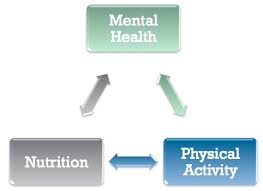
Nutrition, Physical Activity and Mental Health
Bev and Mike Wagner of doTERRA Essential Oils
“Natural Solutions to Healthcare an Introduction to Essential Oils”
Free Hand Massage and Demonstration
Sign up for AromaTouch Massage on Monday suggested donation $50.00
Duane Grimes with Rife Technologies
Using Frequency to Improve Health
Free Demonstrations Sunday & Monday
David Powell with Team RWB
Team RWB Springfield
Enriching the Lives of America’s Veterans
Through Physical and Social Activities
Also for those wanting to stretch their legs after the workshop:
Join Nii Anyetei Akofio-sowah with Team RWB
He will carry the American Flag on a one mile run/workout through the city of Buffalo, MO
The run/workout should start around 5:15 pm @ O’Bannon Bank and will finish at AMVETS
January 11, 2015 @ 12:30 pm
Location: O’Bannon Bank 1347 S Ash St, Buffalo, MO 65807
Join Us at AMVETS after the Presentation (1005 North Ash Street)
To Register Contact: (609)510-4007 or mkjish@aol.com or ozarkswellness@aol.com
Do you or someone you know suffer with a chronic mental or physical condition?
Did you know there are solutions available that could ease your/their burden?
Ozarks Wellness CenterPresents:
Sunday, January 11, 2015 12:30 – 5:00pm
Mary Kay Schultz, LCSW: Ozarks Wellness Center
The Relationship Between:
Nutrition, Physical Activity and Mental Health
Mike and Bev Wagner: DoTerra Essential Oils
“Natural Solutions to Healthcare an Introduction to Essential Oils”
Free Hand Massage Demonstrations
$50.00 Suggested Donation for AromaTouch Technique Massage Demonstrations
Duane Grimes: Rife Machine Specialist
Using Frequency to Improve Health
Free Demonstrations
David Powell: Team RWB Springfield
Team RWB Springfield
Enriching the Lives of America’s Veterans
Through Physical and Social Activities
Location: O’Bannon Bank 1347 S Ash St, Buffalo, MO 65807
Join Us at AMVETS after the Presentation (1005 North Ash Street)
To Register Contact: (609)510-4007 or mkjish@aol.com or ozarkswellness@aol.com
Some people may say you are what you eat. Some can look at your face and make a good guess as to what you’re eating. One reason for this is because our emotions are closely related to the serotonin levels we are able to produce. A person may wonder what does serotonin have to do with digestion and our intestines?
A vital aspect of our digestive system is its role in the production of serotonin – the body’s natural “Feel Good Hormone”. Over ninety-five percent of the body’s serotonin is found in the gastrointestinal (GI) tract, which has been called the body’s “second brain” because of its role in serotonin production and so many of the body’s vital functions. In fact, serotonin levels have been linked to everything from autism to constipation.
Serotonin is a key player in the functioning of GI tract muscles, causing the contraction of our intestines, and triggering the gut nerves which signal pain, nausea, and other GI problems. As well, it influences the functioning of the cardiovascular, immune, and renal systems. This amazing hormone also regulates aggression, appetite, cognition, mood, sexual behavior, and even sleep.
A neurotransmitter (chemical by which nerve cells communicate with each other or with muscles), serotonin is manufactured in our bodies from the amino acid tryptophan, which is derived from the food we eat. Diet, then, influences not only the state of our digestive system and overall physical health, it also has a profound impact on memory, mental clarity, mood, and even the foods we crave; these functions are all regulated by serotonin.
The Mayo Clinic found that serotonin plays a key role in controlling depression.
The Brain, Behavior, and Immunity journal reports that tryptophan, the amino acid from which serotonin is manufactured, assists in memory retention as well as maintaining a good mood, especially among people with a family history of depression.
University of Texas Southwestern Medical Center research sheds light on how serotonin works to suppress appetite.
Optimal nutrition and digestion is crucial to the production and function of serotonin and that, in turn, plays a vital role in everything from our mental health to our ability to get a good night’s sleep. (Healthy Digestion & The Secret Life of Serotonin, Jo Jordan and Jim Danna, M.A. 2014)
The American Pain Society along with the University of Wisconsin report “Narcotic pain medicine causes constipation in most people. This medicine slows down bowel movements moving through the intestine. This causes the stool to become hard. If you have hard bowel movements, have trouble passing bowel movements, and the movements are not often enough, then you have constipation.” The Harvard Medical School Family Health Guide describes “But even short-term use of the opioids poses problems. One of the major ones is the mundane but essential matter of having regular bowel movements.” This interferes with serotonin development which is linked together with mood issues. This may be an important consideration for those in recovery from substance abuse, as well as, those being treated for chronic painful conditions.
Team RWB is comprised of both military and civilian team members. The mission of Team RWB is to enrich the lives of America’s veterans by connecting them to their community through physical and social activity. Here are some statistics I found on the webpage www. teamrwb.org:
How many individuals represent Team RWB?
Founded in 2010, Team RWB and its 56,000 members are bringing veterans, their families, and American citizens together through authentic social interaction, community physical fitness and shared experiences in over 115 communities across the globe.
How many Americans have been deployed since September 2001?
Nearly 2.5 million American men and women have deployed in support of Operations Enduring Freedom and Iraqi Freedom since September 2001.
How many service members will retire in the next 5 years?
Approximately 1 million service members will retire or separate from the military over the next 5 years.
How many veterans do not return to their hometown upon completion of service?
58% of veterans do not return to their hometown upon completion of service.
How many veterans are more likely to exercise with a group?
41% of veterans stated that they are more likely to exercise if they can do it with a group or team.
Are significantly stressed individuals likely to be depressed?
People who have experienced significant stress are 2.5 times more likely to be depressed.
What is natural equivalent to SSRI drug therapies for depression and anxiety?
A number of studies have shown exercise to be the non-drug equivalent of SSRI drug therapies or psychotherapy for depression and anxiety.
How many veterans are estimated to be undiagnosed with PTSD?
The VA estimates there are nearly 400,000 untreated cases of post-traumatic stress disorder.
What percentage of returning combat veterans may have mental health conditions?
A 2009 Rand report estimates that 26% of returning combat veterans may have mental health conditions (PTSD, anxiety, depression).
1. Catch the Thought
Sometimes in life people find that thoughts come racing through their heads. I notice this with many who are early in a recovery process. These thoughts make it hard to concentrate and also often cause emotional distress. The first thing to do is to catch the thought. Notice it and take a hold of it.
2. Check the Thought
It could be that this thought is not true or helpful. Sometimes people have thoughts that replay in their heads that are related to beliefs about themselves and the world that are not true but they never learned to challenge them. Don’t be afraid to look at these thoughts and really examine them.
3. Change the Thought
Many times the thought is not productive and if this is the case, I encourage you to change the thought to something that is true and helpful.
In my experience, helping people change how they think about themselves and the world around them is one of the most freeing things that we do in therapy. Some people have been taught from early on in life that they are not important or they will never amount to anything. Even though nothing can be farther from the truth, they interact in the world based upon this false belief about themselves. We have the ability to change this process. When we choose to choose thoughts that are true and more productive there are many benefits.
Dr. Caroline Leaf describes, “By not controlling our thoughts, we create the conditions for illness – research shows that “fear alone” triggers more than 1400 known physical and chemical responses, and activates more than 30 different hormones in the body. Science believes that thoughts are basicallyneurological responses to stimulithat are shaped by past experiences – therefore it is important for us to exercise extreme care with regard to what stimuli we allow to enter into our thought processes. Toxic waste generated by “toxic thoughts” causes the following illnesses: diabetes, cancer, asthma, skin problems, and allergies just to name a few. Everything we see, hear, or read has the potential to shape our thinking, and what we think about affects us physically and emotionally.
We admitted we were powerless over alcohol-that our lives had become unmanageable.
Came to believe that a Power greater than ourselves could restore us to sanity.
Made a decision to turn our will and our lives over to the care of God as we understood Him.
Made a searching and fearless moral inventory of ourselves.
Admitted to God, to ourselves, and to another human being the exact nature of our wrongs.
Were entirely ready to have God remove all these defects of character.
Humbly asked Him to remove our shortcomings.
Make a list of all persons we had harmed, and became willing to make amends to them all.
Made direct amends to such people wherever possible, except when to do so would injure them or others.
Continued to take personal inventory and when we were wrong promptly admitted it.
Sought through prayer and meditations to improve our conscious contact with God as we understood Him, praying only for knowledge of His will for us and the power to carry that out.
Having had a spiritual awakening as the result of these steps, we tried to carry this message to alcoholics, and to practice these principles in all our affairs.
The Twelve Traditions of Alcoholics Anonymous – Short Form
Our common welfare should come first; personal recovery depends upon AA unity.
For our group purpose there is but one ultimate authority-a loving God as He may express Himself in our group conscience. Our leaders are but trusted servants; they do not govern.
The only requirement for AA membership is a desire to stop drinking.
Each group should be autonomous except in matters affecting other groups or AA as a whole.
Each group has but one primary purpose-to carry its message to the alcoholic who still suffers.
An AA group ought never endorse, finance or lend the AA name to any related facility or outside enterprise, lest problems of money, property and prestige divert us from our primary purpose.
Every AA group ought to be fully self-supporting, declining outside contributions.
Alcoholics Anonymous should remain forever nonprofessional, but our service centers may employ special workers.
Alcoholics Anonymous as such, ought never be organized; but we may create service boards or committees directly responsible to those they serve.
Alcoholics Anonymous has no opinion on outside issues; hence the AA name ought never be drawn into public controversy.
Our public relations policy is based on attraction rather than promotion; we need always maintain personal anonymity at the level of press, radio and films.
Anonymity is the spiritual foundation of all our Traditions, ever reminding us to place principles before personalities.
Concept 1 ~ Each person is responsible for their own actions and the consequences of those actions.
Concept 2 ~ We are keeping another person in an immature state by taking responsibility for his/her actions or the consequences for his/her actions.
In order to ultimately help and love someone, it’s better to be honest with ourselves and them. This will help them grow in character and they will be happier in the long run.
In the story below, the writer is describing Step 10 (of the 12 steps in AA) ~ “We continued to take personal inventory, and when we were wrong, promptly admitted it.” This is a good illustration of how group members in a good meeting hold each other accountable.
Wellness involves examining and improving all aspects of our lives. In order to preserve wellness, it is important to maintain a well balanced lifestyle. Some areas of wellness include:
Physical Wellness ~Physical wellness promotes proper care of our bodies for optimal health and functioning. There are many elements of physical wellness that all must be cared for together. Overall physical wellness encourages the balance of physical activity, nutrition, personal care and mental well-being to keep your body in top condition.
Mental Wellness ~ According to the World Health Organization, mental health is defined as “a state of well-being in which the individual realizes his or her own abilities, can cope with the normal stresses of life, can work productively and fruitfully, and is able to make a contribution to his or her community.” Wellness in this area involves using one’s cognitive abilities to enhance other areas of his/her life.
Spiritual Wellness ~ Spiritual wellness the ability to use values and beliefs to clarify one’s purpose in life events.Spiritualityis a term used in relation to spiritual wellness. Your “spirit” usually refers to the deepest part of you and is different from your soul. Specific disciplines are essential in order to grow in this area; just as with Physical Wellness.
Emotional Wellness ~ Emotional wellness involves the ability to adapt with change and conflict by managing emotions and maintaining balance in other areas of our lives. Emotional Intelligence (EI) is related to emotional wellness. Psychology today describes EI as “the ability to identify and manage your own emotions and the emotions of others. It is generally said to include 3 skills:
1. Emotional awareness, including the ability to identify your own emotions and those of others;
2. The ability to harness emotions and apply them to tasks like thinking and problems solving;
3. The ability to manage emotions, including the ability to regulate your own emotions, and the ability to cheer up or calm down another person.”
Social Wellness ~ Social wellness is the ability to relate and connect with people resulting in favorable responses for self and others.
Wellness is much more than merely physical health, exercise or nutrition. It is the full integration of states of physical, mental, and spiritual well-being. The model used by our facility includes social, emotional, spiritual, mental, and physical wellness. This also includes, relationships and fitness at one’s place of employment, financial fitness and many other areas that we see incorporated into our main categories.













 Anonymity is the spiritual foundation of all our Traditions, ever reminding us to place principles before personalities.