Category: Health, Healing and Wellness

  • What to do about chlorine exposure?

    What to do about chlorine exposure?

    The best scenario is to swim in ozone or salt water pools.  However, most people can’t choose what their health clubs use in their pools.  Try to talk with the management anyway.  The more people who bring up these concerns the better.  There are many problems that chlorine exposure can cause.  Rashes, breathing issues etc…  chlorine

    Chlorine competes for the iodine receptors in organs like the thymus, thus depriving them of this necessary element.

    To combat effects of iodine replacement in the thymus: dōTERRA®‘s GX Assist® .  This is a proprietary combination of Certified Pure Therapeutic Grade® essential oils and caprylic acid, that help support a healthy digestive tract by creating an unfriendly environment for potentially harmful pathogens that can disrupt digestive immunities and cause digestive upset.  GX Assist is formulated with therapeutic-grade Oregano, Melaleuca, Lemon, Lemongrass, Peppermint and Thyme essentials oils that have been demonstrated to have in-vitro antimicrobial properties.  GX Assist also includes caprylic acid that has been traditionally used as for its specific health-supporting properties in the gut.

    To repopulate the “good” flora removed by the GX Assist – dōTerra PB Assist+ Probiotic Defense Formula is a proprietary blend of pre-biotic fiber and six strains of probiotic microorganisms in a unique double-layer vegetable capsule delivering 5 billion CFUs of active probiotic cultures and soluble pre-biotic FOS (fructo-oligosaccharides) that encourages culture adhesion and growth. The time-release double-capsule delivery system protects sensitive probiotic cultures from stomach acid. PB Assist+ supports healthy digestive functions and immunities and is safe for use by all members of your family.

    And to provide an added “boost” to everything being used – doTERRA’s EO Mega is a unique formula of CPTG Certified Pure Therapeutic Grade® essential oils Clove, Frankincense, Thyme, cumin, Wild Orange, Peppermint, Ginger, and German Chamomile, and a proprietary blend of marine and land- sourced omega fatty acids from flaxseed, pomegranate seed, evening primRose, cranberry seed, and concentrated fish oils. Omega fatty acids have been shown to support healthy joint function and brain health.

    A daily dose of EO Mega provides 1 gram of marine oils, 1 gram of land oils, and 60 mg of the EO Mega essential oil blend. It uses only clean and pure sources of concentrated fish oils and is enteric coated to prevent the fishy return of inferior omega fatty acid products.

    To remove heavy metal contaminates that can be caused by spending long times in a pool:  8 drops of dōTERRA Cilantro oil in a capsule once a day.

    For hypothalamus issues: dōTERRA’s Lemongrass oil.  This oil, along with dōTERRA’s Balance, Frankincense, Geranium applied to the throat has shown to be effective.


    These statements have not been evaluated by the Food and Drug Administration. This product is not intended to diagnose, treat, cure, or prevent any disease.

  • Free Feet

    Free Feet

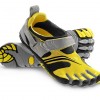
    The benefits of wearing vibram shoes during fitness and physical activity.  Dr. Axe loves them.

  • The AromaTouch Technique

    The AromaTouch Technique

    The Oils of AromaTouch Technique

    Stress Management

    Balance

    • Creates a sense of calm and well-being
    • Promotes whole-body relaxation
    • Brings harmony to the mind and body
    • Soothes sore muscles and joints
    • Evokes feelings of tranquility and balance
    • Promotes circulation
    • Supports cellular health and overall well-being
    • Lessens stress and helps with anxious feelings and nerves

    Lavender

    • Widely used for its calming and relaxing qualities
    • Soothes occasional skin irritations
    • Helps skin recover quickly
    • Eases muscle tension

    Immune Support

    Melaleuca

    • Renowned for its cleansing and rejuvenating effect on the skin
    • Promotes healthy immune function
    • Protects against environmental and seasonal threats
    • Promotes a clear, healthy complexion
    • Soothes minor skin irritations
    • Helps purify and freshen the air

    OnGuard

    • Supports healthy immune function
    • Protects against environmental threats
    • Cleans surfaces
    • Purifies the skin while promoting healthy circulation
    • Energizing, uplifting aroma

    Inflammatory Response

    AromaTouch

    • Relaxes muscles and soothes joints
    • Promotes circulation
    • Helps to calm and sooth target areas

    Deep Blue

    • Soothes sore muscles and achy joints
    • Supports healthy circulation

    Homeostasis

    Wild Orange

    • Powerful cleanser and purifying agent
    • Protects against seasonal and environmental threats
    • High in antioxidants
    • Uplifting to the mind and body

    Peppermint

    • Promotes healthy respiratory function and clear breathing
    • Alleviates occasional stomach upset
    • Frequently used in toothpaste and chewing gum for oral health


    The uses of essential oils are vast and represent a well-documented model for improving overall health, for both the novice user and the educated expert. 

    Widespread acceptance of essential oils, both within and without the scientific community, has led many to choose this more natural approach to healing and prevention.

    dōTERRA® CPTG Certified Pure Therapeutic Grade® essential oils have been recognized as the most therapeutic oils in the world and play a leading role in positive health choices.

    *Check individual licensing requirements in your state.


    aromatouch-systemic-constants


    These statements have not been evaluated by the Food and Drug Administration. This product is not intended to diagnose, treat, cure, or prevent any disease

  • Communication ~ I-Statements

    Communication ~ I-Statements

    Communication can be much less stressful when both parties feel respected.  One way to show respect in communication is to use I-Statements.  I have heard some describe just using the word “I” in a person’s statement but I would suggest following a stricter pattern.  It will help each party be more empowered to take ownership for themselves and their thoughts and feelings.   Accepting responsibility for your feelings is one of the most important communication skills you can acquire.  A good rule of thumb is: “If you have a problem, make an I-Statement.

    Avoiding words like “make me” will also help a person take more responsibility for his/her behavior.

    A pattern like the one below, will help the person understand what behavior they displayed that impacted the communicator and how that happened:

    istatement

  • 7 WAYS TO MAKE WAKING UP FOR AM WORKOUTS EASIER

    7 WAYS TO MAKE WAKING UP FOR AM WORKOUTS EASIER

    I won’t sugar-coat it – I despised waking up early probably more than anything else in the world. More than the fact my CD player skipped non-stop (dating myself here), that I’d left my water-logged suit in my bag over-night, and possibly even more than distance fly sets.

    It might be because my bed was a comfortable slice of heaven. Or that Canadian winters make for some bone-chilling walks to the car. Or that tricking myself by putting the alarm clock across the room only served to make me more grumpy and more tired.

    Here are 7 tips to help make those early mornings a little more bearable, without having to resort to tricking yourself or having your old man dump water on you like mine occasionally did—

    1. Prepare your gear the night before. This has two benefits – the obvious one being that you’ll free up another ten minutes of sleep the next morning (or longer depending on how much stuff you have to pack for the day). The less obvious benefit is that the feeling of preparedness made me fall asleep a little better. I didn’t have the, “I still have to get my stuff ready tomorrow” thought gnawing at the back of my brain as I lay in bed, closed-eye staring at the ceiling.
    2. Turn on all the lights. Soon as you wake up, turn on all of the lights. Open the curtains – if it’s not the dead of winter, and still darker than it was when you went to sleep – and let your body’s natural clock become aware that it’s rise-and-shine time.
    3. Keep moving. Sitting down and slumping into your breakfast will only keep you in that half-asleep mode. Your body, confused with what its supposed to be doing, will continue to implore you for the warmth of your sheets. Move around, get some blood flowing, and get your body closer to “go” mode.
    4. Hydrate. Did you know that you can lose up to a litre of water while you sleep? True story. Start every morning off with a big glass of water and return your body to hydrated-status.
    5. Commit to getting up for 5 minutes. Starting anything is the hardest part, you should know this by now. Promise yourself five minutes of being up and at it, no more. Committing to 5 minutes is a lot easier to digest than the thought of that epic distance set awaiting you at the pool.
    6. Have a Pre-Sleep Ritual. Getting up is exponentially easier when you have had a good night’s rest. Insure a solid 7-8 hours by having a pre-sleep ritual. Things to note when building your own plan for optimized sleep:
      1. Limit exercise a couple hours before working out (not always possible, I know).
      2. Dark as possible.
      3. Limit TV and cell phone use (probably asking a lot here in the case of the latter).
      4. Avoid caffeine in the house before sleepy-time.
    7. Have a set of cues for when you wake up. Habit is an extremely powerful thing. Use it to your advantage by creating a set of cues that will make getting up a habit instead of having to rely on willpower. Here is an example–
      1. Turn off alarm.
      2. Open blinds.
      3. Make bed.
      4. Go to the bathroom.
      5. Drink a full glass of water.
      6. Make breakfast.
      7. Watch Sportscenter for 5 minutes.

    Do these things each time you have to wake up early, and you will find that the routine becomes hard-wired. The more you do it, the less you have to think about it, and the less you think about it, the less you are having that eternal argument in your brain about getting “just five more minutes” under the sheets.

    Don’t feel bad about the fact that you feel like you are at half-speed when you wake up. A great majority of us feel the same way.

    Olivier Poirier-Leroy is a former National level swimmer from the beautiful west coast of BC. In feeding his passion for swimming, he has developed YourSwimBook.com: a comprehensive tool that designed for swimmers to track and analyze their results.

    http://swimswam.com/7-ways-to-make-waking-up-for-am-workouts-easier/

  • Attitude

    Attitude

    Nothing can stop the man with the right mental attitude from achieving his goal; nothing on earth can help the man with the wrong mental attitude.  Thomas Jefferson

  • Benefits of Manuka Honey

    Benefits of Manuka Honey

    In today’s video Dr. Axe talks to you about the incredible benefits of manuka honey and how you can use it to cure certain illnesses and support the body.

    Did you know that manuka honey is 4x more nutrient dense than other floral honeys in terms of it’s healing compounds?


    Manuka honey is beneficial for several reasons:

    1. Improves SIBO

    2. Improves ulcers

    3. Eliminates allergies

    4. Improves sore throat

    5. Treats acne or eczema

    6. Used to treat MRSA

    7. Heals wounds or infections

    Please keep in mind that Dr. Axe recommends consuming manuka honey in moderation. He suggests consuming no more than 1 tablespoon at a time or 1 teaspoon twice a day. Try using manuka honey or raw local honey and experience the healing benefits!


  • Want to get on the right track with Hydration?

    Want to get on the right track with Hydration?

    HOW DO YOU KNOW IF YOU’RE DEHYDRATED?

    If you are thirsty, it means your cells are already dehydrated. A dry mouth should be regarded as the last outward sign of dehydration. That’s because thirst does not develop until body fluids are depleted well bellow levels required for optimal functioning.

    Monitor your urine to make sure you are not dehydrated:

    • A hydrated body produces clear, colorless urine.
    • A somewhat dehydrated body produces yellow urine.
    • A severely dehydrated body produces orange or dark-colored urine.

    The effects of even mild dehydration include decreased coordination, fatigue, dry skin, decreased urine output, dry mucous membranes in the mouth and nose, blood pressure changes and impairment of judgment. Stress, headache, back pain, allergies, asthma, high blood pressure and many degenerative health problems are the result of UCD (Unintentional Chronic Dehydration).

    HOW MUCH WATER DO YOU NEED TO DRINK? WHEN TO DRINK?

    To better determine how much water you need each day, divide your body weight in half. The answer is the approximate number of water ounces you should drink daily. You should drink half of your body weight in ounces. If you weight 200 pounds, you should drink 100 ounces water (3.13 quarts, 2.98 liters or about 10-12 cups of water a day). If you weigh closer to 100 pounds you will need only about 50 ounces of water or about four 12-ounce glasses daily.

    Individuals who are physically active or live in hot climates may needs to drink more.

    HOW DO YOU GET DEHYDRATED?

    Through activities of daily living, the average person loses about 3- 4 liters (about 10-15 cups) of fluid a day in sweat, urine, exhaled air and bowel movement. What is lost must be replaced by the water/ fluid we drink and the food we eat.

    We lose approximately 1-2 liters of water just from breathing. The evaporation of sweat from the skin accounts for 90% of our cooling ability.

    Exercise, sweating, diarrhea, temperature, or altitude can significantly increase the amount of water we lose each day. The most common cause of increased water loss is exercise and sweating. Even though we are all at risk of dehydration the people most vulnerable are infants, elderly adults, and athletes. They are either not able to adequately express their thirst sensation or able to detect it and do something in time.

    DRINKING TIPS FOR HEALTHY HYDRATION:

    Start your morning’s right: Morning is when you are most full of toxin and dehydrated. Reach for a big glass of water first thing in the morning – even before coffee. This water in the morning really gets the blood flowing.

    • Drink a glass of water when you get up and another when you go to bed.
    • Take regular water break breaks.
    • Avoid relying on sodas to provide your fluid need.
    • Drink water before and after food; ideally drink a glass of water half an hour before you eat your meal and half an hour after the meal. You can drink water with meals, and drink water anytime your body feels like it.

    It is very important you balance your sodium intake with your water consumption. Take 1/4 teaspoon of salt per quart of water – every 4-5 glasses of water. Be sure to get sea salt. The best is Celtic sea salt or Himalayan sea salt, both of which are readily available at any health food store.

    You should always drink water prior to eating, and after eating, to support the digestive process. The stomach depends on water to help digest food, and lack of water makes it harder for nutrients to be broken down and used as energy. The liver, which dictates where all nutrients go, also needs water to help convert stored fat into usable energy. If you are dehydrated, the kidneys turn to the liver for backup, diminishing the liver’s ability to metabolize stored fat. The resulting reduced blood volume will interfere with your body’s ability to remove toxins and supply your cells with adequate nutrients.

    Keep a water bottle by your side at all the times. Use either bottled water or tap water, and carry it with you everywhere, to the gym, in your car, to your office. Start by adding water to your daily regiment, during the first week, and then incorporate more as needed. The point is not to wait until you’re thirsty to drink.

    Keep water flowing before, during and after workout. Don’t forget to balance your water intake with sodium intake. Drink at least 1 liter of water for every 60 minutes of exercise. Drink more if it’s hot. During exercise, such as playing sport on a hot summer day, you can lose up to 2 liters per hour of fluid per hour. Water and a balance salt is your best bet to keep healthy and hydrated. During exercise, it is recommended to replenish fluid at least every 20 minutes.

    For more information check out the following articles:

    http://www.mayoclinic.org/healthy-lifestyle/nutrition-and-healthy-eating/in-depth/water/art-20044256

    http://gizmodo.com/hydrate-smarter-drinking-the-right-amount-of-water-whe-1501740684

    http://www.camelbak.com/ko/HydratED/HydrationCalculator.aspx

    Hydration 101: How Much Water Do You Really Need?

    http://www.hammernutrition.com/knowledge/hydration-what-you-need-to-know.299.html

    http://www.watercure.com/faq.html

  • Looking to Get Active?  Try Swimming

    Looking to Get Active? Try Swimming

    Besides safety, research has shown there are many more benefits to starting children swimming at a very young age.

    Listen to this video and find out why you should be swimming.

  • doTERRA Sunsational Flavors Recipes

    doTERRA Sunsational Flavors Recipes

    Check out these fantastic sunsational recipes.


    Blueberry-Coconut-Tangerine-Sweet-Bread Cumin-Hummus-Quesadilla Deconstructed-Enchiladas Dill-Dip Dill-Tuna-Crackers Falafel Patriotic-Fruit-Salad Quinoa-Dill-Summer-Salad-2 Tangerine-Sunrise Tangerine-Tarts


    For more go to:

    http://doterrablog.com/doterra-sunsational-flavors-recipes/