Blog

  • Nobody Ever Said When I Grow Up I Want To Be An Addict

    Nobody Ever Said When I Grow Up I Want To Be An Addict

    Nobody ever said when I grow up I want to be an addict.  SO how is it that people become so good at it?


    brittany before after

    Addiction is considered a brain disease because drugs change the brain—they change its structure and how it works. These brain changes can be long-lasting, and can lead to the harmful behaviors seen in people who abuse drugs.  It is really important to have people around who are not afraid to be honest with the addicted person.  When the people close to the addicted person do not help him or her look at the reality of the situation, they are really helpless to the disease.


    before after michael


    The initial decision to take drugs is typically voluntary. However, with continued use, a person’s ability to exert self-control can become seriously impaired; this impairment in self-control is the hallmark of addiction.

    Brain imaging studies of people with addiction show physical changes in areas of the brain that are critical to judgment, decision making, learning and memory, and behavior control.

    Scientists believe that these changes alter the way the brain works and may help explain the compulsive and destructive behaviors of addiction.


    metabolism_chart


    One of the brain areas still maturing during adolescence is the prefrontal cortex—the part of the brain that enables us to assess situations, make sound decisions, and keep our emotions and desires under control.

    The fact that this critical part of an adolescent’s brain is still a work in progress puts them at increased risk for making poor decisions (such as trying drugs or continuing to take them).

    Also, introducing drugs during this period of development may cause brain changes that have profound and long-lasting consequences.

    before after mikali

    Addictive drugs provide a shortcut to the brain’s reward system by flooding the nucleus accumbens with dopamine. The hippocampus lays down memories of this rapid sense of satisfaction, and the amygdala creates a conditioned response to certain stimuli. Stressors or something associated with substance use can trip the mental machinery of relapse.

    before after

    Changes in the reward system alone cannot explain why addiction persists. As Mark Twain said of his tobacco habit, quitting is easy; he had done it often. Many addicts go through long periods without taking the drug, but they risk relapse even after years of abstinence, when the dopamine reward circuit has had plenty of time to recuperate. They are victims of conditioned learning, which creates habitual responses.

    Drug-induced changes in the links between brain cells establish associations between the drug experience and the circumstances in which it occurred. These implicit memories can be retrieved when addicts are exposed to any reminder of those circumstances — moods, situations, people, places, or the substance itself. A heroin addict may be in danger of relapse when she sees a hypodermic needle, an alcoholic when he passes a bar where he used to drink or when he meets a former drinking companion. Any addict may resume the habit on falling into a mood in which he used to turn to the drug. A single small dose of the drug itself is one of the most powerful reminders — “It’s the first drink that gets you drunk,” as they say in Alcoholics Anonymous.

    Internal or external stress is another cause of relapse. The nucleus accumbens sends signals to the amygdala and hippocampus, which register and consolidate memories that evoke strong feelings. When asked why they relapse, addicts may say, “My job was not going well,” or even, “The traffic was so heavy that day.” These answers suggest that they are hypersensitive to stress, either congenitally or as a result of past addiction. Levels of corticotropin releasing hormone (CRH), the brain chemical that regulates the stress hormone system, often rise in addicts just before a relapse, while the amygdala becomes more active. Mice bred without receptors for CRH are less susceptible to drug addiction.

    In the last few years, research has suggested that addiction involves many of the same brain pathways that govern learning and memory. Addiction alters the strength of connections at the synapses (junctions) of nerve cells, especially those that use the excitatory neurotransmitter glutamate. Underlying these changes are drug-induced activation and suppression of genes within nerve cells, another process scientists are beginning to explore.

    How to Get Clean and Sober

    1. Detox Safely.
    2. Change – People, Places and Things.
    3. Find a Good Recovery Group (I recommend a 12 Step Recovery Group).  Go to meetings: 90 Meetings in 90 days.
    4. Make one of the meetings your home group.
    5. Find a Sponsor.
    6. Work the 12 Steps in order with your Sponsor.  Choose a sponsor of your same sex with at least 5 years clean time who has worked the steps all the way through at least once. (Preferable has been a sponsor before)
    7. Learn how to teach your brain to break cycles and think differently.
    8. Understand your triggers and decrease your stressors.
    9. Practice kindness towards yourself as well as others.
    10. Eat healthy.
    11. Exercise.
    12. Rest.
    13. Don’t be afraid of natural remedies for ailments and get educated about how to use them.
    14. Never forget your reason for quitting.

    Contact us for more help or information.

    you can do it


    https://www.drugabuse.gov/publications/drugs-brains-behavior-science-addiction/drug-abuse-addiction

    http://www.health.harvard.edu/mind-and-mood/the_addicted_brain
  • Frequency with Regards to Healing

    Frequency with Regards to Healing

    There is a lot of research that shows that certain frequencies are healing.  Bruce Tainio, of Tainio Technology (an independent division of Eastern State University in Cheny, Washington), using the world’s first frequency monitor, which he had designed and built, determined that the average, daytime frequency of the human body is 62-68 MHz.  (A healthy body frequency is 62-72 MHz.)   He conducted studies to prove this.  Each of our organ systems have their own frequencies. 

    When a person’s frequency drops the immune system is compromised.  If the frequency drops to 58 MHz, cold and flu symptoms may appear.  At 55 MHz, diseases like candida can take hold.  At 52 MHz, one might contract Epstein-Barr.  And, at 42 MHz, according to these studies, cancer is a real possibility.  Death is said to begin at 25 MHz.  More factors with healing involve the types of foods consumed.  While eating live foods promotes frequency and energy, many foods lower frequency levels.  Appropriate amounts of physical activity improve frequency and removing toxins that do not belong (detox therapies) also serves to increase energy.  Some bad news for coffee lovers is that merely holding a cup of coffee lowers your body’s frequency 8 MHz; drinking that cup lowers your body’s frequency by 14 MHz. It can take three days to recover and bring the body’s frequency back up to 62 – 68 MHz. If you drink coffee daily, your body’s frequency will constantly be in the lower ranges (the range of illnesses), unless you do something to raise these levels.

    Just like certain devices Essential Oils have certain frequencies and energy.  The highest energy level that I know of is rose oil.rose doTERRA

    Fact: It takes as much as 12,000 rose blossoms to distill 5 ml of CPTG essential rose oil.

    Measured MHz Levels (Energy) of the Therapeutic Grade Essential Oil

    • Rose is 320 MHz
    • Lavender is 118 MHz
    • Peppermint is 78 MHz

    Using ESSENTIAL OILS is probably the EASIEST way to increase a person’s frequency on a daily basis.  Part of what I have been studying over the past years involves nutrition and how important it is to feed our bodies nutrients and enzymes that are “alive”.  Both of my parents had cancer and I looked a great deal into nutrition as a means to restore them to health.  One of the main reasons to try to incorporate organic foods into our eating routines is because they are alive.

    Here is another interesting fact:  One ounce of Clove Oil (as an antioxidant) is equivalent to: CLOVE 1

    • 450 pounds of carrots
    • 120 quarts of blueberries
    • 48 gallons of beet juice.

    The therapeutic grade of the oil used is very important.  There are many different grades of essential oils out in the market system.  There are some that have cut corners and even though once were considered therapeutic, now are no longer in the same ball park as others who remain pure therapeutic grade.  Some companies inject chemicals into the water during the distillation to increase the amount produced but creates an oil that has been contaminated.  Often times you can tell by smelling the oils that there is a difference.  I have a friend with multiple chemical sensitivity who reacts to certain oil brands.  doTERRA is the only brand allowed to call itself CPTG (Certified Pure Therapeutic Grade).  I have witnessed my friend use doTERRA without having the same reactions that she has to other brands.  For people with dropping MHz levels, using the purest oil available is essential.

    In my reading and research on these areas I have also found that there are other factors that can impact the use of essential oils.  Studies show that negative thoughts lower the frequency of

    dna spiral

    Essential Oils by 12 MHz while positive thoughts raised their frequencies 10 MHz. Prayer raises frequency levels by 15 MHz.  Studies also show that at 528 Hz, DNA repair can begin.

    Love has a Huge Impact on Wellness

    Love has a huge impact on wellness.  Loving thoughts are important. Below is a short video about a study done by Dr. Masaru Emoto that describes how water has a memory and the impact of different thoughts communicated to these structures.  “Masaru Emoto was born in Yokohama, Japan in July 1943 and a graduate of the Yokohama Municipal University’s department of humanities and sciences with a focus on International Relations. In 1986 he established the IHM Corporation in Tokyo. In October of 1992 he received certification from the Open International University as a Doctor of Alternative Medicine. Subsequently he was introduced to the concept of micro cluster water in the US and Magnetic Resonance Analysis technology.  He undertook extensive research of water around the planet not so much as a scientific researcher, but more from the perspective of an original thinker. At length he realized that it was in the frozen crystal form that water showed us its true nature through.  Mr. Emoto has been visually documenting these molecular changes in water by means of his photographic techniques. He freezes droplets of water and then examines them under a dark field microscope that has photographic capabilities.  Water from clear mountain springs and streams had beautifully formed crystalline structures, while the crystals of polluted or stagnant water were deformed and distorted.  Distilled water exposed to classical music took delicate, symmetrical crystalline shapes. When the words “thank you” were taped to a bottle of distilled water, the frozen crystals had a similar shape to the crystals formed by water that had been exposed to Bach’s “Goldberg Variations”- music composed out of gratitude to the man it was named for.  When water samples were bombarded with heavy metal music or labeled with negative words, or when negative thoughts and emotions were focused intentionally upon them, such as “Adolf Hitler”, the water did not form crystals at all and displayed chaotic, fragmented structures. When water was treated with aromatic floral oils, the water crystals tended to mimic the shape of the original flower.

    Sometimes, when we cannot see the immediate results of our affirmations and or prayers, we think we have failed. But, as we learn through Masaru Emoto’s photographs, that thought of failure itself becomes represented in the physical objects that surround us. Now that we have seen this, perhaps we can begin to realize that even when immediate results are invisible to the unaided human eye, they are still there. When we love our own bodies, they respond. For our own bodies at birth are more than 60 percent water, and the percentage of water in our bodies remains high throughout life (depending upon weight and body type). The earth’s surface is more than 60 percent water as well. And now we have seen before our eyes that water is far from inanimate, but is actually alive and responsive to our every thought and emotion. Perhaps, having seen this, we can begin to really understand the awesome power that we possess, through choosing our thoughts and intentions, to heal ourselves and the earth. If only we believe.”

    There is a plethora of scientific evidence that supports the benefits of maintaining a healthy thought life.  Scripture, for those who believe, backs up what scientists are discovering about our thoughts.  Here is another short video with Dr. Caroline Leaf.  She speaks a lot on toxic thoughts, toxic love and how we are designed or hardwired for love…


    Certified Pure Therapeutic Grade Essential Oils are able to:

    • create an environment detrimental to pathogens (viruses, bacteria, etc)
    • create an environment of clear communication between all cells and all systems
    • create an environment detrimental to cancer growth
    • erase (deprogram) misinformation in our cells
    • reprogram misinformation in our cells so they function and replicate properly

    When CPTG Essential Oils are combined with loving thoughts, prayer, live foods and appropriate physical activity, amazing things can happen.

    This is very good news!

  • Optimism

    Optimism

    Optimism is defined on google.com “as hopefulness and confidence about the future or the successful outcome of something.”  Dictionary.com defines it as:

    1. “a disposition or tendency to look on the more favorable side of events or conditions and to expect the most favorable outcome.
    2. the belief that good ultimately predominates over evil in the world.
    3. the belief that goodness pervades reality.
    4. the doctrine that the existing world is the best of all possible worlds.”

    Most people have hear the description of the difference between the optimist and the pessimist.  The optimist sees the glass as half full and the pessimist sees it as half empty.  half-full-glassWell, today there is an abundance of research that shows that those with “a disposition or tendency to look on the more favorable side of events or conditions and to expect the most favorable outcome” are physically healthier.  And the research doesn’t stop there.  We are now seeing that optimism or a positive thought pattern is important in building resiliency.  An individual overcome hurdles and attains goals quicker and more often when using positive self-talk and self-thought.  Research shows that optimistic people tend to have less stress, better health, achieve better results and have more joy.

    http://dictionary.reference.com/browse/optimism

    http://www.ncbi.nlm.nih.gov/pubmed/25426491

    http://www.ncbi.nlm.nih.gov/pubmed/20509803

    http://www.ncbi.nlm.nih.gov/pubmed/24150540

    http://www.ncbi.nlm.nih.gov/pubmed/24871293

    http://www.ncbi.nlm.nih.gov/pubmed/25404142

  • How Exercise Helps the Recovery Process from Substance Abuse/Addiction

    How Exercise Helps the Recovery Process from Substance Abuse/Addiction

    Many who abuse drugs or alcohol neglect important components of daily health, wreaking havoc on both emotional and physical well being.

    It is important to repair the psychological and physical damage of chemical dependency as well as the damaged mind-body connection.

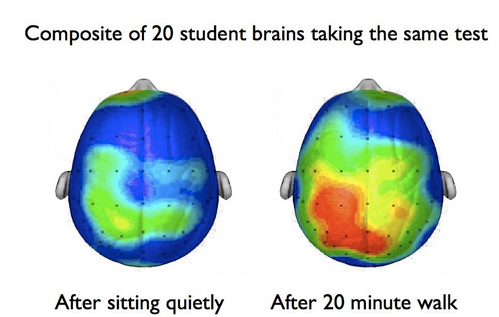
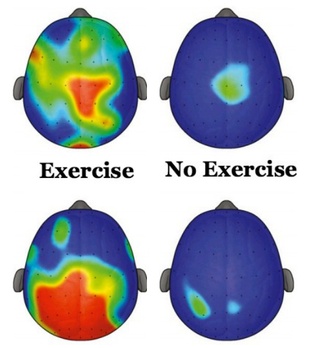
    Exercise in chemical dependency treatment serves many purposes, but there are some primary benefits one can get from exercise during substance abuse treatment and recovery.brain exercise

    • Exercise relieves and reduces stress.
    • Exercise naturally and positively alters your brain chemistry.
    • Exercise is meditation in motion.
    • Exercise improves your outlook.

    In addition, regular exercise fosters improved:

    • Sleep
    • Greater energy
    • Enhanced feelings of well being

    All of these improvements make life much more manageable and enjoyable and recovery that much more possible and sustainable.

    brain exercise 2


    Aerobic exercises, have been proved to reduce anxiety and depression. These include:

    • Jogging
    • Swimming
    • Cycling
    • Walking
    • Gardening
    • Dancing


    These improvements in mood are proposed to be caused by:

    Exercise-induced increase in blood circulation to the BRAIN

    This physiologic influence is probably mediated by the communication of the HPA axis with several regions of the brain, including:

    • the limbic system, which controls motivation and mood
    • the amygdala, which generates fear in response to stress
    • hippocampus, which plays an important part in memory formation as well as in mood and motivation.
  • Stress and Depression

    Stress and Depression

    Studies show that higher levels of cortisol increase risk for depression.  Chronic increased stress or high cortisol levels can be very harmful to a person in many different ways.  It is not just a mental health concern, although for a long time most in the mental health field have known this.  Increased stress levels, especially over long periods of time,  impact a person’s physiology and can also increase the negative aspects of physiological aging such as memory and other intellectual difficulties.

    What are ways to decrease the negative impact of stress?

    1.  Physical Activity
      1. Running
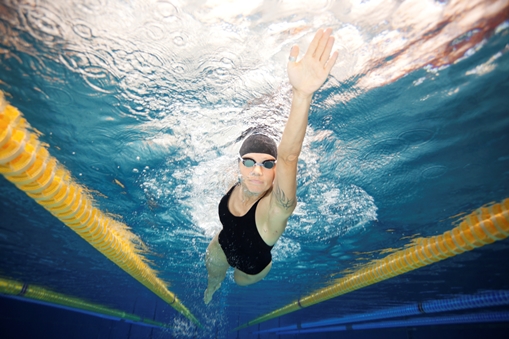
      2. Swimmingdynamic swimmer on swimming lane
      3. Biking
      4. Walking
      5. Gardening
      6. Dancing
    2. Nutrition
      1. Avoid Processed Foods
      2. Avoid Tea, Coffee, and Energy Drinks (Caffeine)
      3. Avoid Alcohol
      4. Avoid the Simple Sugars and Starches (chips, cakes and ice cream)
      5. Eat Leafy Green Vegetables (Complex Carbohydrates)
      6. Eat Fruits and High Fiber Foods (Complex Carbohydrates)
      7. Increase Vitamin C
      8. Be Sure You Are Getting The Correct Amount of Magnesium and Vitamin D in Your Diet
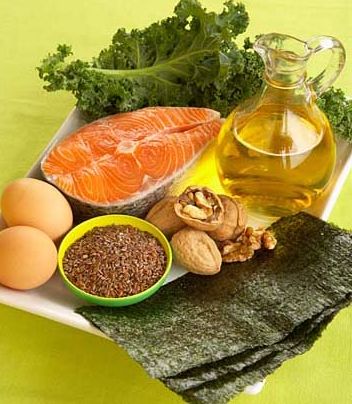
      9. Be Sure You Are Getting The Correct Amount of Omega-3 Fatty AcidsSource_of_omega_3
      10. Be Sure You Are Getting The Correct Amount of Water
      11. Healthy Comfort Foods
        • Dark Chocolate
        • Oatmeal

        Herbal Supplements and Teas

        • Chamomile
        • Mint
        • Barley tea
        • Passion flower
        • Valerian root
    3. Rest
    4. Pay Attention to Your Thoughts and Feelingsself talk
    5. Develop Appropriate Supports
    6. Use Adequate Boundaries With People Who Increase Stress In Your Environment
    7. Consider Other Natural Solutions That Have Been Successful Throughout History
      1. Essential Oils
      2. Massage
      3. Prayer
      4. Wise Counsel
      5. Journaling
      6. Soothing Music
      7. Light Exposure/Sun Exposure
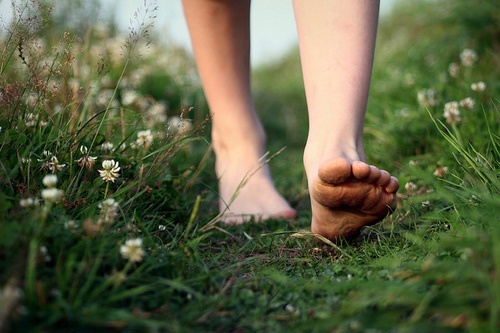
      8. Walking Barefoot In The GrassBarefoot-in-grass


    http://www.ncbi.nlm.nih.gov/pubmed/22564216

    http://www.ncbi.nlm.nih.gov/pubmed/19166570

    http://www.ncbi.nlm.nih.gov/pubmed/10658955

    http://www.ncbi.nlm.nih.gov/pubmed/12467090

    http://exploreim.ucla.edu/wellness/eat-right-drink-well-stress-less-stress-reducing-foods-herbal-supplements-and-teas/

    http://www.pcrm.org/health/health-topics/how-to-eat-right-to-reduce-stress

    https://www.google.com/url?sa=t&rct=j&q=&esrc=s&source=web&cd=1&cad=rja&uact=8&ved=0CB8QFjAAahUKEwjOsYq1wNvHAhUQCZIKHZNTDrE&url=http%3A%2F%2Fwww.stress.org.uk%2Ffiles%2Fcombat-nutritional-stress.pdf&usg=AFQjCNEqeaBW-1DQAeKGULaKm1Bq-o9kqQ

    http://www.stress.org.uk/How-food-can-help-your-stress-levels.aspx

    http://www.everydayhealth.com/diet-nutrition-pictures/how-to-reduce-stress-with-diet.aspx#01

    http://www.healthywomen.org/content/article/reduce-stress-diet-and-exercise?page=1

    www.skillsyouneed.com/ps/stress-nutrition-diet.html

  • Want To Lose Belly Fat?

    Want To Lose Belly Fat?

    1. Cut sugary foods and drinks (pasta, breads, white sugar foods and juices)
    2. Control your partying.  Stop drinking large amounts of alcohol.
    3. Cut out the TransFats causing inflammation
    4. Walk, run, swim, cycle… Move (In the morning is best)
    5. Balance your metabolism
    6. Start your day with protein
    7. Add more protein into your diet ~ 6 small meals per day.
    8. Drink at least 64 ounces of water per day
    9. Balance your hormones
    10. Balance gut bacteria
    11. Reduce stress (cortisol wants to store fat)
    12. Get rest
  • What Is Cupping Therapy, and Why Does Michael Phelps Swear By It?

    What Is Cupping Therapy, and Why Does Michael Phelps Swear By It?

    It’s all due to a technique called cupping therapy. But is there actually any science behind it?

    August 8, 2016

    Competing in the Olympics is definitely grueling, but it’s not the sports that are responsible for some of the bruises on several of the top athletes.

    For instance, swimmer Michael Phelps and gymnast Alex Naddour—among other competitors—have been seen with round, purple marks across their bodies.
    So what’s going on?
    It’s called cupping therapy, and it’s a form of ancient Chinese medicine purported to treat athletic aches and other pains.But can a couple of cups on your skin really make a difference in what’s going on in your body? We take a look at what’s really behind this health trend.

    Related: The Better Man Project From Men’s Health—2,000+ Awesome Tips on How to Live Your Healthiest Life 

    How Does Cupping Therapy Work?

    In cupping therapy, an acupuncturist soaks a cotton ball in alcohol and lights it on fire inside a glass cup.

    He or she removes the flame, and quickly places the cup on a patient’s skin, creating a vacuum that draws up the skin tissue, says Mark Perido, an educator with the International Cupping Therapy Association.

    When the skin seals the hot air in the vessel, the air inside begins to cool, causing the skin to contract.

    Advocates of cupping say it’s this stretching and contraction of the skin that makes cupping effective, since it increases blood flow.

    “Blood flow is the body’s way of naturally healing,” says Houman Danesh, M.D., an assistant professor of anesthesiology and rehabilitation medicine at Mount Sinai Hospital who frequently combines cupping with mainstream pain therapy techniques. “Increased blood flow can be beneficial to jumpstart or restart a blunted healing response.”

    Related: 5 Ways Acupuncture Can Fix Your Health Problems

    You can also think of it as a “sterile inflammation,” says Reid Blackwelder, M.D., past president of the American Academy of Family Physicians.

    That’s because the cupping process draws blood from your vessels and into your tissue. Your body thinks it’s been injured, so it jumpstarts an inflammatory response, mobilizing antibodies to the area to try to heal it.

    That may be why cupping is touted to treat a lot of pain-based conditions. Along with boosting athletic recovery, it’s also been used to manage things like lower back pain, plantar fasciitis, and fibromyalgia.

    Related: The Best Workout to Beat Back Pain

    For athletes who aren’t hurt, the increased blood flow from cupping is thought to help repair muscle fibers after a tough workout.

    The risks associated with cupping therapy are minor, and include noticeable, hickey-like bruising that occurs due to damage to your blood cells.

    “The blood oozes from the vessel and into the tissue, which is what you’re seeing,” Dr. Blackwelder says. “It’s a very normal part of therapy, and it isn’t painful.”

    But Does Cupping Therapy Really Work?

    Separate studies have suggested that cupping therapy may help reduce pain associated with conditions like carpal tunnel syndrome, persistent low back pain, and chronic neck pain.

    But Dr. Blackwelder remains skeptical—he doesn’t use cupping in his practice.

    There’s little research that proves that any healing actually takes place with cupping, he says.

    Related: 10 Medical Breakthroughs That Sound Like Science Fiction

    One problem? The design of studies looking at cupping therapy isn’t great, since it’s hard to tease out whether the actual process of cupping is responsible for the results.

    It comes down to the placebo effect, Dr. Blackwelder says.

    If people simply think they’re getting a treatment, that belief can sometimes be enough to help improve their condition.

    In high-quality studies, neither the researchers nor the participants know if they’re getting the actual intervention, or just a placebo used as a control. Afterwards, the researchers then compare the results to see if there was a significant difference between the groups.

    But it’s difficult to “blind” participants to whether they’re getting cupping therapy or not, though some studies use sham treatments that mimic aspects of cupping.

    Still, it means the placebo effect could play more of a role in the results, according to a study in the journal Acupuncture in Medicine.

    So Should You Try Cupping Therapy?

    Though the actual science behind cupping remains hazy, athletes like Phelps continue to use it to help quicken their recovery.

    And, according to the placebo effect, if you think it’ll work, it just might make you feel a little better.

    Related: 3 Ways to Speed Up Recovery After a Hard Workout 

    So if you want to give it a shot, go ahead: Just consider it a second-line move if you don’t feel like you’re getting relief from a conventional treatment option like physical therapy or medicationthat your physician recommended, says Dr. Blackwelder.

    “It can definitely be a good add-on therapy,” says Dr. Blackwelder. “The risks involved are small.”

    Related: THE 21-DAY METASHRED From Men’s Health—an At-Home Body-Shredding Program That Strips Away Fat and Reveals Rock-Hard Muscle

    Still, if you have a bleeding disorder, or take medicine like aspirin or ibuprofen where bleeding is a potential side effect, you might want to skip cupping, he says.

    That’s because it can do further damage to your blood vessels.