Author: victor

  • DDR PRIME

    DDR PRIME

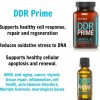
    DDR Prime Softgels Essential Oil Cellular Complex is a proprietary blend of essential oils combined to support cellular health, function, and renewal. DDR Prime includes Frankincense, Wild Orange, Lemongrass, Thyme, Summer Savory, Clove, and Niaouli essential oils shown in clinical studies to help protect cells against free-radical damage while supporting healthy cellular function. DDR Prime Softgels are easy to swallow and provide an easy and convenient method for consuming DDR Prime essential oil blend, anytime, anywhere.

    KEY INGREDIENTS AND BENEFITS IN DDR PRIME

    • Frankincense: Promotes a healthy inflammatory response
    • Wild Orange: Supports healthy cellular response
    • Lemongrass: Protects against environmental threats
    • Thyme: Broad-spectrum activity in promoting immunity and cellular health
    • Summer Savory: Helps reduce oxidative stress
    • Clove: Powerful antioxidant properties
    • Niaouli: Supports cellular immunity
  • DIFFICULTIES FACED IN EARLY RECOVERY

    DIFFICULTIES FACED IN EARLY RECOVERY

    FIRST 3 -5 DAYS

    These symptoms may become evident soon after the person stops taking the drug(s), usually worsening for several days and then remain somewhat constant for as long as a few weeks.  During detox there are many things that help people manage these symptoms.  People who are detoxing from alcohol and opioids usually do this under the care of medical staff who monitor their vital signs and symptoms to assure safety.  Under certain conditions people could have a seizure or die so insurance companies and most local counties provide inpatient care for the first 3 – 5 days.


    FLU-LIKE SYMPTOMS:

    FLU LIKE SYMPTOMS

    • Fever
    • Sweating (Hot/Cold)
    • Muscle Aches
    • Shakiness
    • Rapid Heartbeat
    • Abdominal Cramps, Nausea, Vomiting


    Abruptly stopping alcohol use in a person who is dependent on alcohol can be dangerous. An alcoholic who needs to drink daily should stop their use of alcohol under the supervision of a physician, and may need medication during their withdrawal.

    INCREASED BLOOD PRESSURE

    blood pressure

    With substances like cocaine, opioids, alcohol, benzodiazepines, etc., patients have a disturbance of their level of consciousness or awareness, evidenced by drowsiness or an inability to concentrate or pay attention. Patients also experience a change in their ability to think evidenced by a deficit in their language or their memory.

    Read more: http://www.minddisorders.com/Br-Del/Cocaine-and-related-disorders.html#ixzz3QLoXaWXp

    CONFUSION

    CONFUSION

    There are so many emotions that a person feels when they enter recovery, especially early recovery. A wave of feelings will hit you hard and head-on, because most of those feelings have been hidden away for years during your active addiction. One of the strongest feelings you might experience is anxiety. Feeling anxious is enough to threaten your sobriety, because using drugs or alcohol was your preferred method of dealing with anxiety in the past.  To learn how to deal with anxiety in recovery, you’ll need to use different tools. Self-medicating is no longer an option.  Without the use of medication,  it is still possible to manage your anxiety so that you’re able to live a healthy life.

    NERVOUSNESS

    nervous-1

    Stage one starts two to six hours after the alcoholic’s last drink. It’s marked by mild agitation, anxiety, restlessness, tremors, loss of appetite, insomnia, racing heartbeat, and high blood pressure. Neurotransmitters are the chemicals the body makes to allow nerve cells to pass messages (of pain, touch, and thought) from cell to cell. Amino acids are the precursors of these neurotransmitters. When addicts/alcoholics are low in particular amino acids from burning through them during their substance abuse, symptoms of withdrawal increase — especially cravings for their substance of choice. The goal in this stage is to support the body as it begins to clear itself of alcohol and drugs and to decrease cravings as much as possible.

    AGITATION

    agitation

    It is common for those in early recovery to struggle with insomnia or a disturbed sleep pattern. This can lead to tiredness and fatigue during the day; it can also increase the experience of fuzzy thinking that people often complain about when they first become sober. Most people find that once they have been sober for a few weeks they regain the ability to enjoy a full night’s sleep. In fact the return to a normal sleep pattern can be one of the first signs that the individual is settling into the sober life.

    POOR SLEEP, RESTLESSNESS, NIGHTMARES & DRUG DREAMS INVOLVING DRUG USAGE

    POOR SLEEP

    Nightmare_2807562b

    dreaming-dreams-26353900-500-370

    A hallucination is the experience of seeing or hearing things that aren’t there while awake and conscious. Hallucinations can be auditory, visual, and even kinesthetic, they can make a person feel things like being touched or pinched. They can trick a person into believing the unbelievable, or that they are in a place they are not.

    HALLUCINATIONS, TREMORS, DT’S (Delirium tremens) &SEIZURES (BENZODIAZEPINES, ALCOHOL)

    auditory_hallucin

    tremors

    alcohol-withdrawal

    benzo withdrawl

    Depending upon the length of time an individual is addicted to codeine, he or she may suffer from severe symptoms of withdrawal. Withdrawal from opiates such as heroin, vicodin, hydrocodone, OxyContin, and demerol, codeine should always be done under the care of a medical professional due to the possibility of suicidal and homicidal ideation.

    SUICIDAL RISK, HOMICIDAL RISK AND DELUSIONS (OPIOIDS)

    suicide homicide risk

    FIRST 3 MONTHS

    SLEEP ISSUES

    sleep issues

    Addiction to most substances causes changes in brain structures and alters brain chemicals which cause cravings for the drug. When an individual takes a drug like heroin they experience feelings of overall well-being which the individual desires to feel again. It is my belief that in most cases a person can restore the damage done during their drug usage by making the healthy choices regarding the care of their minds and bodies.  It si still very common for individuals to notice mood swings in early recovery.

    MOOD SWINGS

    Bipolar

    DEPRESSION

    depression 2

    CONCENTRATION/MEMORY

    ADHD

    GRIEF :

    grief


    • Living In Reality
    • Not Numb Any More
    • Time Does Not Heal All Wounds
    • To Recover=Feeling Pain

    ANXIETY

    anxiety

    REBUILDING RELATIONSHIPS

    REBUILDING RELATIONSHIPS

    • Anger
    • Guilt
    • Frustration
    • Loneliness
    • Changing Family Roles And Labels

    LEGAL ISSUES

    legal issues

    FINANCIAL STRESS

    financial stress

    FIRST YEAR

    6 MONTHS TO 2 YEARS SLEEP ISSUES & DRUG DREAMS

    man in bed with eyes opened suffering insomnia sleep disorder

    DEPRESSION

    depression

    ANXIETY

    anxiety

    MEMORY/CONCENTRATION

    memory and concentration issues

    OVERCONFIDENCE

    over confidence


    Baseline – usually a persons returns to baseline somewhere between 1-1 ½ years after stopping substance use

    The starting point for the baseline would be the place a person was before they became involved with the substance.


    Call us.  We are ready to help you through this.

    609.510.4007       www.OzarksWellness.com

  • The Benefits of Exercise (Including a link to Triathlete Magazine’s Pool Etiquette:  Mind-Manners-Lap-Swim-101)

    The Benefits of Exercise (Including a link to Triathlete Magazine’s Pool Etiquette: Mind-Manners-Lap-Swim-101)

    Swimming is good for mental health, physical health and emotional health.  When you exercise, your brain releases chemicals called neurotransmitters, including dopamine, which helps with attention and clear thinking.  People with Attention Deficit Hyperactivity Disorder (ADHD) often have less dopamine than usual in their brain.  The stimulant medicines that are often used to treat adult ADHD work by increasing the amount of dopamine in the brain.  So it makes sense that a workout can have many of the same effects as stimulant drugs.

    Because of these effects, some people with ADHD are able to lower their medication dose — or even stop taking medicines altogether.  For example, Michael Phelps was diagnosed with Attention-Deficit/Hyperactivity Disorder (ADHD) and put on Ritalin at age 9.  But after 2 years and a lot of hard work and swimming, Michael was able to stop the medication.

    michael phelps

    Fitness can have the following benefits for adults with ADHD:

    • Ease stress and anxiety.
    • Improve impulse control and reduce compulsive behavior.
    • Enhance working memory.
    • Improve executive function. That’s the set of skills needed to plan, organize, and remember details.

    We will be starting Swim Groups in our lap pool pretty soon.  More seasoned swimmers are likely to know the rules of the pool but beginners can be intimidating sometimes because they are on new territory.  We would like everyone to have a positive experience.    Please join us!  Here is a short article by Triathlete Magazine about lap swimming etiquette:

    http://triathlon.competitor.com/2014/05/training/mind-manners-lap-swim-101_98756


    HEAR FROM HARVARD ABOUT THE BENEFITS OF EXERCISE:

    Harvard Health Publications from the Harvard School of medicine states, “Regular aerobic exercise can bring remarkable changes not just to your BODY, your METABOLISM, and your HEART, but also to your SPIRIT.”  Aerobic exercise is the key for your head, just as it is for your heart.  It has a unique capacity to exhilarate and relax, to provide stimulation and calm, to counter depression and dissipate stress.  Endurance athletes commonly experience the restorative power of exercise, and this has been verified in clinical trials that have used exercise to treat anxiety and depressionHarvard Men’s Health Watch notes that you should exercise nearly every day.  That doesn’t necessarily mean hitting the gym.  But it does mean at least 30 minutes of moderate activity.

    runners

    EXERCISE:

    • promotes the formation of blood vessels in the brain
    • forges connections between cells
    • enhances repair of neural tissue
    • generates new neurons in memory-formation areas


    brain exercise 2

    Aerobic exercises, have been proved to reduce anxiety and depression. These include:

    • Jogging
    • Swimming
    • Cycling
    • Walking
    • Gardening
    • Dancing


    These improvements in mood are proposed to be caused by exercise-induced increase in blood circulation to the BRAIN.  This physiologic influence is probably mediated by the communication of the HPA axis with several regions of the brain, including the limbic system, which controls motivation and mood, the amygdala, which generates fear in response to stress, and the hippocampus, which plays an important part in memory formation as well as in mood and motivation.


    Competitive runners in a cross country race.

    Through its actions on hormones that affect the nervous system, exercise also improves TOLERANCE OF STRESS—an observation that is particularly intriguing given the links between stress and drug abuse.”

    Many who abuse drugs or alcohol neglect important components of daily health, wreaking havoc on both emotional and physical well being.  It is important to repair the psychological and physical damage of chemical dependency as well as the damaged mind-body connection.  Exercise in chemical dependency treatment serves many purposes, but there are some primary benefits one can get from exercise during substance abuse treatment and recovery.

    Besides assisting with appropriate dopamine levels in the brain, exercise aids with the serotonin functions in the brain.  Serotonin also plays a prominent role in the way hallucinogens act on the brain, greatly increasing serotonin levels in certain brain cells.  Hallucinogens are serotonin “agonists,” which means they are molecularly similar enough to serotonin to dock with serotonin receptors.  Large increases in serotonin levels have also been measured in users of ecstasy.  Ecstasy appears to push the serotonin system into overdrive by interfering with serotonin mop-up transporters, similar to the way cocaine affects dopamine.  Elevated serotonin causes short-term euphoria but depletes it in the longer-term.  Chronic ecstasy users, for example, were found to have 50%-80% lower concentrations of serotonin.

    Exercise relieves and reduces stress.

    Exercise has been shown to alleviate both physical and psychological stress. Tension builds in our bodies when we’re at work, during everyday interactions, and even when we’re watching television.  This tension can come from having poor posture at work or having a bad interaction with a co-worker.  Moving your body alleviates this tension, and allows you to get rid of any negative emotions you have been keeping in. Focused exercise uses both physical and emotional energy, that might otherwise find unhealthy ways of escaping.

    Exercise naturally and positively alters your brain chemistry.

    When you exercise, your body releases endorphins which create a natural high. These are the same endorphins your body released while you abused substances.  However, abuse of drugs and alcohol causes an imbalance that interferes with a person’s ability to feel pleasure, happiness, and satisfaction.  Dedicated physical activity during treatment and recovery will help you reintroduce natural levels of endorphins in your system. This not only helps you feel better, but reteaches your body that it is capable of regulating your own brain chemistry and mood in healthy, natural ways.

     “Exercise is meditation in motion.”

    The Mayo Clinic has described exercise as “meditation in motion,” meaning by concentrating on the physical we can experience the psychological and emotional benefits of meditation.  Through movement, we can refocus our thoughts on our own well-being and forget, at least briefly, all that is going on in our lives. You may leave your work-out with a clearer mind, feeling more rejuvenated and optimistic. Finding this clarity within chaos can make recovery much more manageable.

    Exercise improves your outlook.

    Those who exercise regularly report increased feelings of self-confidence and optimism and reduced feelings of depression and anxiety. This is in part has to do with the body regulating and calibrating itself during exercise, but it also has to do with feelings of accomplishment, pride, and self worth as you see your body transform and your goals reached. As you reach certain benchmarks you feel more accomplished, and reinforces the goal of continued sobriety as attainable.

    In addition, regular exercise fosters improved:

    • Sleep
    • Greater energy
    • Enhanced feelings of well being

    all which make life much more manageable and enjoyable and recovery that much more possible and sustainable.

    Such observations may explain why:

    1. competitive runners experience mood elevations
    2. physical activity sometimes relieves depression
    3. older people who exercise improve in both mood and cognitive function.

    Senior Couple Exercising In Park


    Please Join Us for the Couch to 5K in Buffalo starting January 26th @7:30am.

    Contact us for the location:  609.510.4007


    couch to 5k 1


    If you have been abusing substances please be sure that your physician has medically cleared you to perform physical activity.  Abuse of certain substances may cause issues with your blood pressure and other parts of your physiological makeup AND could lead to a stroke or seizure if you are still going through your initial detox from your substance.  You should be finished with your 3-5 day detox and cleared to begin physical activity.

  • Uses of Essential Oils

    Uses of Essential Oils


    Essential oils are used for a very wide range of emotional and physical wellness applications. They can be used a single oil at a time or in complex blends depending on user experience and desired benefit. Essential oils are usually administered by one of three methods: diffused aromatically, applied topically, or taken internally as dietary supplements.


     Aromatic Uses

    Our sense of smell influences many physiological pathways including the stimulation of hormones and other metabolic processes. Aromatherapy is founded on the body’s predictable response to specific olfactory stimuli. Essential oils are widely used in aromatherapy applications. Certain essential oils, when diffused in the air, can be very stimulating, while others can be calming and soothing. Beyond emotional benefits, diffusing essential oils can purify air of unwanted odors and some airborne pathogens. Low or no-heat essential oil diffusers are recommended as they do not change the chemical structure of the oil being diffused. Essential oils can also be used as cleansing and purifying additives to laundry and surface cleaners throughout the home.

    Topical Uses

    Due to their natural molecular composition, essential oils are easily absorbed by the skin and can be safely applied topically. Application of essential oils can have immediate, localized benefit to the target area of application. They have restorative and calming properties and can be used effectively with massage and beauty therapy. They are also natural disinfectants. The chemical structure of essential oils also allows them to be absorbed into the bloodstream via the skin for internal benefit throughout the body.

    massage

    Internal Uses

    Essential oils can also be used as dietary supplements supporting a variety of healthy conditions. Some essential oils have powerful antioxidant properties while others help support healthy inflammatory response in cells. Many essential oils are generally regarded as being safe for dietary use, but some oils should not be taken internally. Do not use any essential oil product internally that does not have the appropriate dietary supplement facts on its label.

    Using essential oils can be both profoundly simple and life changing at the same time. Working with someone who has used essential oils before will help first-time users have a more beneficial and enjoyable experience. A large amount of information is readily available for those desiring to increase their knowledge of essential oil applications.

    (Be sure to use only 100 percent pure, therapeutic-grade essential oils and follow all label warnings and instructions. Essential oils should not be used in the eyes, inside the ear canal, or in open wounds. If redness or irritation occurs when using essential oils topically, apply any vegetable oil, such as fractionated coconut oil or olive oil, to the affected area. Consult your physician before using essential oils if you are pregnant or under a doctor’s care.)

    FAQs

    Q: dōTERRA’s essential oils are trademarked as “CPTG Certified Pure Therapeutic Grade™”. What does this term mean, and what evidence is there to prove the efficacy and purity of your oils?

    A: dōTERRA’s essential oils are trademarked and registered with the United States Patent and Trademark Office as CPTG Certified Pure Therapeutic Grade™. This term means that our essential oils will always maintain the highest quality standard in therapeutic grade essential oils for purity and efficacy. dōTERRA’s CPTG essential oils are 100% pure, free of fillers or artificial contaminants such as pesticides or other chemical residues.

    In order to assure the purity of our oils and the presence of their active compounds, we subject our oils to rigorous testing standards for chemical composition. dōTERRA’s CPTG essential oils are cross tested using mass spectrometry and gas chromatography to ensure both extract purity and composition potency of each batch. Each dōTERRA product is guaranteed to exceed customer satisfaction and performance expectations. We encourage you to try our products and judge for yourself. See, smell, and feel the difference of the purity and potency of CPTG essential oils.


    Q: Why do your essential oils smell so much better than other essential oils on the market that claim to be therapeutic grade?

    A: Aroma is an excellent indication of true purity. A 100% pure essential oil will elicit powerful emotional responses and will not be overbearing in any one note. Many people have described dōTERRA’s CPTG essential oils as “sweet” or “extremely pleasing fragrances”. This is because when plants are grown in a region in which it is indigenous, with proper nutritive soil conditions, air quality, weather/moisture, are harvested at the right time and carefully distilled, the essential oil extract will be pure and of the highest quality, thus having a fragrance that exceeds that of oils that have been diluted or synthetically produced. Unfortunately, there are many essential oils on the market that claim to be “therapeutic grade”, “100% pure”, or “100% natural” that do not follow strict standards for purity and potency. The best way for a consumer to know the quality and value of any product is to experience it for themselves.


    Q: Do you grow your own plants and own your own farms?

    A: We have found that a primary key to superior essential oil quality is the location in which the plant is grown. For this reason, we carefully source our essential oils from all over the world, rather than from a few locations that are not native habitats for the plants. For example, our Lavender is grown in the high altitudes of France, our Lemon comes from Italy, and our Frankincense is sourced from Oman. Because our management team is trusted and respected by global producers, we are able to secure precious crops for essential oil production from preferred suppliers.


    Q: I have been involved with another network marketing company in the past and am looking to build a relationship with a company that will be committed to the products, consumers, and consultants. How was your company founded, and how can I be sure that I can trust this company’s management?

    A: The founders of dōTERRA are a group of healthcare and business professionals who came together in the spring of 2008 with a common vision of bringing together a new standard of therapeutic-grade essential oils to the world. The founders have several years’ experience in the direct-selling industry and have earned degrees from top universities. Prior to forming dōTERRA, the founders had successfully managed several large companies, which flourished under their management. They are well-respected, honest, hard-working individuals who have sacrificed much to bring this company to fruition. They are successfully achieving their dream of bringing the purest, most effective essential oils to the world. (To read dōTERRA’s Mission Statement, please click here.)


    Q: I love dōTERRA’s products, but am hesitant to become involved in direct sales. If I decide to join, are there opportunities for me to learn more about the products and to learn how to build my own business with dōTERRA?

    A: dōTERRA recognizes that as essential oils are becoming more mainstream, there is a greater need for education. dōTERRA provides exceptional educational opportunities for all people interested in learning how CPTG oils can be used as a self-care wellness alternative. These events are offered throughout the year from one of the leading essential oil experts, Dr. David K. Hill, as well as other guest presenters. In addition, we offer training workshops, webinars, and business-building tools to help you embrace the business prospect and become successful in your efforts to distribute our products through person-to-person contact and globally through personalized web shopping sites.


    Q: Are dōTERRA’s essential oils organic?

    A: dōTERRA’s CPTG essential oils exceed industry standards. Because organic certification varies from country to country, province to province, and in the US, from state to state, it is not currently possible to acquire all oils under certified organic status. However, through the GC/MS analysis process, we are able to determine if any chemical residue exists in the essential oil, e.g., pesticides, herbicides, extenders, and solvents. With this rigorous analysis process, we are able to ensure that all CPTG Certified Pure Therapeutic Grade™ essential oils offered by dōTERRA are absolutely pure as nature intended and a step above organic.
  • Addiction Counselor Buffalo MO Missouri

    Addiction Counselor Buffalo MO Missouri

    Mary Kay has been working with the addictions community for many years. She has seen all aspects of healing from pre-contemplative individuals to detox, inpatient treatment, intensive outpatient, as well as, outpatient and after-care treatment. She treats each person’s individual needs. She finds that both individual and group therapy are key tools in assisting individuals in their recovery goals. She encourages those with addiction issues to work a 12 step program and build supports in your lives at the same time we pursue your therapeutic needs. She is also able to provide biblical counseling if that is your preference. She has personally witnessed individuals who were once homeless, hospitalized or incarcerated turn their lives around and become successful professionals with loving families. Our goal is to help you reach your goals and remove the barriers that may be hindering you in the work we do together.

  • Results from the first Wellness Workshop

    Results from the first Wellness Workshop

    We are so grateful for everyone who braved the weather and made it out for our first workshop.  We are very pleased with the results.  We had some sign ups for many different activities we are planning to begin very soon.  I am very excited to begin working together with everyone.  We especially want to say “Thank you!” to Bev Wagner, Duane Grimes, Emily Cumpton, and David Powell.  And another well deserved “Thank you!” to all the guests who came out in the cold for the day with us.  We hope everyone benefited.  Day 2 of the workshop was quite a full day as well.  People received AromaTouch massages and free Rife diagnostics.  We are planning to do AromaTouch Certifications during the week of  April 5 -10, 2015 so mark your calendars.  After the AromaTouch massage one woman contacted me the next day to say that her arm was doing much better.  This is not uncommon after this technique.


    emily-RWB
    Emily Cumpton ~ Team RWB Springfield Sharing with the community in Buffalo about what RWB has to offer veterans, families and civilians. The gentleman in the front row is a veteran and is now ready to sign up for biking events with the team. He took his bike in for a tune up yesterday.


  • Michael Phelps | ADHD ~ Attention Deficit/Hyperactivity Disorder

    Michael Phelps | ADHD ~ Attention Deficit/Hyperactivity Disorder

    Swimmer Michael Phelps has set the record for winning the most medals, 22, of any Olympic athlete in history.

    This isn’t how his life started out.  Teachers told his mom that ‘Your son will never be able to focus on anything.’”Kids bullied him, and when he whacked one on the school bus, he was suspended from the bus for several days.”  He began swimming at the age of 7, partly because of the influence of his sisters and partly to provide him with an outlet for his energy.  At first, like many beginners, he was afraid to put his head under the water.

    He was diagnosed with Attention-Deficit/Hyperactivity Disorder (ADHD) and put on Ritalin at age 9.  But after 2 years and a lot of hard work and swimming, Michael was able to stop the medication.  By age 10, he held a national record for his age group, and Phelps began to train under coach Bob Bowman.

    More age group records followed, and Phelps’s rapid improvement culminated in his qualifying for the 2000 Summer Olympics at the age of 15 and becoming the youngest male to make a U.S. Olympic swim team in 68 years.

    While he did not win a medal, he did make the finals and finished fifth in the 200-meter butterfly.

    Physical exercise and an appropriate diet, along with the correct mental tools led him to where he is now.