Author: Mary Kay Houck

  • Dr. Axe ~ 5 Steps To Heal a Herniated Disc


    In this video, you will learn 5 steps to heal a herniated disc, a disc bulge or lower back pain.

    1. Diet

    The collagen diet is ideal to heal and repair a damaged disc and tissue. You can find collagen in bone broth liquid, which when consumed on a regular basis is the best dietary thing you can do to heal and repair. Eating bone broth protein 2-3 times a day is a must.

    You will also want to get more antioxidants through foods such as blueberries. The perfect breakfast would be a smoothie with blueberries, some collagen powder or bone broth protein powder, coconut milk, and anti-inflammatory herbs such as ginger root. Then follow up with a lunch and dinner of a soup or stew made with bone broth protein.

    2. Supplements

    Collagen or bone broth protein powder for essential amino acids
    Omega 3 fish oils
    MSM Sulfur containing supplement for joint repair
    Anti-inflammatory herbs such as turmeric for damaged tissue

    3. Egoscue

    If you have poor posture, it will put extra stress on that disc and cause a herniated disc.This form of physical therapy assigns you a specific set of exercises and stretches to restore your posture and is crucial to healing this type of injury.

    4. Prolotherapy (PRP)

    Platelet Rich Plasma Injections are important to repair damaged tissue. When you injure your low back, ligaments can become lax and your muscles may spasm while trying to make up for it, which can actually be the root cause of your pain.

    5. Corrective Chiropractic Care

    Corrective Chiropractic is essential to retrain your body and get correct spinal curvatures back. Since 90% of chiropractors would do a correction that could possibly cause ligaments to become more loose, it is crucial to find someone in your area who specifically practices corrective chiropractic care.

    To learn more about treatments for herniated discs and lower back pain, visit www.draxe.com

  • How to Manage Type 2 Diabetes

    How to Manage Type 2 Diabetes

    Type 2 Diabetes Mellitus is probably one of the top “chronic” conditions that I see today in my work in the clinics.  I have some guesses about why it is so common right now:

    • processed food easily available
    • fast food also easily available
    • many people appear to be addicted to sugar
    • lack of exercise
    • people are over-stressed (some working 80 hours per week)
    • bad economy (some people not working)
    • food pantries stocked with macaroni and cheese etc.

    diabetes

    With diabetes, the pancreas stops producing insulin and your body is not able to properly use the insulin which is present in the body.  Type 2 diabetes mellitus is a condition in which the body cells develop resistance to insulin and fail to use it properly. Type 2 diabetes mellitus is more common amongst overweight and obese adults over 40 years of age. The disorder can also be referred to as non-insulin-dependent diabetes mellitus (NIDDM) or adult-onset diabetes mellitus.  If it is left untreated, NIDDM can lead to a series of other serious illnesses such as blindness, nerve damage, kidney failure, heart disease, erectile dysfunction (in men).

    Some common symptoms include:

    • excessive thirst
    • increased appetite
    • tiredness
    • frequent urination
    • unexplained loss of weight
    • blurred vision, skin irritation/infection, constant weakness and loss of strength
    • slow or delayed healing of cuts, wounds
    • dizziness or blacking out

    For quite some time I have had a big interest in seeing people improve their health by utilizing all their possible solutions.  Many people report side effects and/or complications from some of the medications prescribed to help with this condition, such as, diarrhea, increased appetite, lack of energy, mood swings etc.  There are easy ways to achieve your wellness goals that may not necessarily involve a pill or a needle.

    Would you be open to learning about these?

    1. Exercise
      • Swimming
      • Walking (20 – 30 minutes daily)
      • Jogging
      • Running
      • Cycling
      • Dancing
      • Aerobics and Water Aerobics
      • Stretching
      • Strength Training
      • Any movement is good.  It should be consistent and you should feel your heart rate increase.
    2. Biofeedback
    3. Hydration
      • At least 64 ounces of water daily
    4. Essential Oils
      • Grapefruit Essential Oil
      • Dill Essential Oil
      • Cinnamon Essential Oil
      • Coriander Essential Oil
      • Ylang Ylang Essential Oil
      • Clary Sage Essential Oil
      • Eucalyptus Essential Oil
      • Geranium Essential Oil
    5. Massage
    6. Relaxation Techniques
      • Deep Breathing
      • Mindfulness (Take mindful walks)
    7. Nutrition, Supplements and Herbs
      • Greek clover
      • Chromium
      • Garlic
      • Green Tea
      • Parslane Seeds
      • Ginsing
      • Mango Tree Leaves
      • Cayenne Pepper
      • Bitter Gourd
      • Chitosan
      • Garcinia cambogia (hydroxycitric acid)
      • Chromium
      • Pyruvate
      • Germander
      • Momordica charantia (Chinese bitter melon)
      • Sauropus androgynus (sweet leaf bush)
      • Chitosan
      • Aristolochic acid
      • Magnesium
      • Vanadium
      • Citrus Pardisi
      • Neem Tree Leaves
      • Indian GooseberryString
      • Bean Pod Tea
      • Curry Leaves
      • Asparagus
      • Blueberries
      • Red Grapefruit
      • Coenzyme Q10
      • Beans
      • Fish
      • Cranberries
      • Apple Peel
      • Brewer’s yeast
      • Buckwheat
      • Broccoli and other related greens
      • Cinnamon
      • Banaba
      • Vitamin C
      • Cloves
      • Coffee
      • Okra
      • Peas
      • Fenugreek seeds
      • Saw Palmetto
      • Aloe
      • Sage
      • Huckleberry
      • Gymnema
      • Zinc
      • Watermelons
      • Oatmeal
      • Methi
      • Jambul

    A person suffering from diabetes should have limited amount of carbohydrates and fats along with moderate amount of protein in the diet. High-fiber diet like vegetables, whole wheat products, oats, whole legumes prove to be more beneficial. Let’s look at what all should be had and what all should be avoided.

    • Avoid products made from refined wheat flours.
    • Eat as much salad as possible, but without rich, creamy, high-fat salad dressing.
    • Fruits can be taken as recommended by dietitian; avoid juices.
    • Consume fruits a couple hours before or after meals.
    • Prefer oats porridge along with milk in breakfast.
    • In case you cannot have coffee/tea/milk without sugar, substitute it with honey.
    • Avoid whole milk, egg yolk, red meats, and high-fat foods.
    • Prefer skimmed milk, egg whites, de-skinned chicken.
    • Avoid visible fats like ghee, oil, butter in your daily diet.
    • Include anti-diabetes foods in your diet, like bitter gourd, string beans, onion, garlic, cucumber, etc.
    • Restrict intake of meat and salt in your diet. It will help control body weight and diabetes.
    • No restriction on soy and fish for patients suffering from diabetes.
    • Avoid white bread, potatoes, sweets, rice, and sugary foods.

    Preventative Measures

    Here are some prevent measures to keep diabetes at bay:

    • Exercise on a regular basis. It keeps the person fit and assists in controlling diabetes. Jogging, brisk walking, swimming, or light exercising can be beneficial.
    • Never walk bare feet as it can result in injury, which might take ages to heal.
    • Never miss meal after insulin or oral hypoglycemic drug.
    • Unless recommended by your physician, do not alter the dosage of your anti-diabetes medication.
    • Make a fixed-time schedule for your meals, and try not to deviate from it, if possible.
    • Avoid rich, starchy, oily food as it is difficult to digest.
    • Do not consume heavy meals. Instead, distribute your meals in smaller courses across the day.
    • Try not to take stress, it will worsen the situation.
    • Check blood glucose levels frequently.

    Please consider contacting us for more information and encouragement to attain your wellness goals.


    mk vic diab


    http://www.webmd.com/diet/default.htm

    http://www.webmd.com/diabetes/type-2-diabetes-guide/natural-remedies-type-2-diabetes

    https://www.verywell.com/natural-remedies-for-diabetes-88225

    http://www.all-about-beating-diabetes.com/natural-cures-for-diabetes.html

    http://www.naturalnews.com/027252_diabetes_oil_remedies.html


  • Nobody Ever Said When I Grow Up I Want To Be An Addict

    Nobody Ever Said When I Grow Up I Want To Be An Addict

    Nobody ever said when I grow up I want to be an addict.  SO how is it that people become so good at it?


    brittany before after

    Addiction is considered a brain disease because drugs change the brain—they change its structure and how it works. These brain changes can be long-lasting, and can lead to the harmful behaviors seen in people who abuse drugs.  It is really important to have people around who are not afraid to be honest with the addicted person.  When the people close to the addicted person do not help him or her look at the reality of the situation, they are really helpless to the disease.


    before after michael


    The initial decision to take drugs is typically voluntary. However, with continued use, a person’s ability to exert self-control can become seriously impaired; this impairment in self-control is the hallmark of addiction.

    Brain imaging studies of people with addiction show physical changes in areas of the brain that are critical to judgment, decision making, learning and memory, and behavior control.

    Scientists believe that these changes alter the way the brain works and may help explain the compulsive and destructive behaviors of addiction.


    metabolism_chart


    One of the brain areas still maturing during adolescence is the prefrontal cortex—the part of the brain that enables us to assess situations, make sound decisions, and keep our emotions and desires under control.

    The fact that this critical part of an adolescent’s brain is still a work in progress puts them at increased risk for making poor decisions (such as trying drugs or continuing to take them).

    Also, introducing drugs during this period of development may cause brain changes that have profound and long-lasting consequences.

    before after mikali

    Addictive drugs provide a shortcut to the brain’s reward system by flooding the nucleus accumbens with dopamine. The hippocampus lays down memories of this rapid sense of satisfaction, and the amygdala creates a conditioned response to certain stimuli. Stressors or something associated with substance use can trip the mental machinery of relapse.

    before after

    Changes in the reward system alone cannot explain why addiction persists. As Mark Twain said of his tobacco habit, quitting is easy; he had done it often. Many addicts go through long periods without taking the drug, but they risk relapse even after years of abstinence, when the dopamine reward circuit has had plenty of time to recuperate. They are victims of conditioned learning, which creates habitual responses.

    Drug-induced changes in the links between brain cells establish associations between the drug experience and the circumstances in which it occurred. These implicit memories can be retrieved when addicts are exposed to any reminder of those circumstances — moods, situations, people, places, or the substance itself. A heroin addict may be in danger of relapse when she sees a hypodermic needle, an alcoholic when he passes a bar where he used to drink or when he meets a former drinking companion. Any addict may resume the habit on falling into a mood in which he used to turn to the drug. A single small dose of the drug itself is one of the most powerful reminders — “It’s the first drink that gets you drunk,” as they say in Alcoholics Anonymous.

    Internal or external stress is another cause of relapse. The nucleus accumbens sends signals to the amygdala and hippocampus, which register and consolidate memories that evoke strong feelings. When asked why they relapse, addicts may say, “My job was not going well,” or even, “The traffic was so heavy that day.” These answers suggest that they are hypersensitive to stress, either congenitally or as a result of past addiction. Levels of corticotropin releasing hormone (CRH), the brain chemical that regulates the stress hormone system, often rise in addicts just before a relapse, while the amygdala becomes more active. Mice bred without receptors for CRH are less susceptible to drug addiction.

    In the last few years, research has suggested that addiction involves many of the same brain pathways that govern learning and memory. Addiction alters the strength of connections at the synapses (junctions) of nerve cells, especially those that use the excitatory neurotransmitter glutamate. Underlying these changes are drug-induced activation and suppression of genes within nerve cells, another process scientists are beginning to explore.

    How to Get Clean and Sober

    1. Detox Safely.
    2. Change – People, Places and Things.
    3. Find a Good Recovery Group (I recommend a 12 Step Recovery Group).  Go to meetings: 90 Meetings in 90 days.
    4. Make one of the meetings your home group.
    5. Find a Sponsor.
    6. Work the 12 Steps in order with your Sponsor.  Choose a sponsor of your same sex with at least 5 years clean time who has worked the steps all the way through at least once. (Preferable has been a sponsor before)
    7. Learn how to teach your brain to break cycles and think differently.
    8. Understand your triggers and decrease your stressors.
    9. Practice kindness towards yourself as well as others.
    10. Eat healthy.
    11. Exercise.
    12. Rest.
    13. Don’t be afraid of natural remedies for ailments and get educated about how to use them.
    14. Never forget your reason for quitting.

    Contact us for more help or information.

    you can do it


    https://www.drugabuse.gov/publications/drugs-brains-behavior-science-addiction/drug-abuse-addiction

    http://www.health.harvard.edu/mind-and-mood/the_addicted_brain

  • Stress and Depression

    Stress and Depression

    Studies show that higher levels of cortisol increase risk for depression.  Chronic increased stress or high cortisol levels can be very harmful to a person in many different ways.  It is not just a mental health concern, although for a long time most in the mental health field have known this.  Increased stress levels, especially over long periods of time,  impact a person’s physiology and can also increase the negative aspects of physiological aging such as memory and other intellectual difficulties.

    What are ways to decrease the negative impact of stress?

    1.  Physical Activity
      1. Running
      2. Swimmingdynamic swimmer on swimming lane
      3. Biking
      4. Walking
      5. Gardening
      6. Dancing
    2. Nutrition
      1. Avoid Processed Foods
      2. Avoid Tea, Coffee, and Energy Drinks (Caffeine)
      3. Avoid Alcohol
      4. Avoid the Simple Sugars and Starches (chips, cakes and ice cream)
      5. Eat Leafy Green Vegetables (Complex Carbohydrates)
      6. Eat Fruits and High Fiber Foods (Complex Carbohydrates)
      7. Increase Vitamin C
      8. Be Sure You Are Getting The Correct Amount of Magnesium and Vitamin D in Your Diet
      9. Be Sure You Are Getting The Correct Amount of Omega-3 Fatty AcidsSource_of_omega_3
      10. Be Sure You Are Getting The Correct Amount of Water
      11. Healthy Comfort Foods
        • Dark Chocolate
        • Oatmeal

        Herbal Supplements and Teas

        • Chamomile
        • Mint
        • Barley tea
        • Passion flower
        • Valerian root
    3. Rest
    4. Pay Attention to Your Thoughts and Feelingsself talk
    5. Develop Appropriate Supports
    6. Use Adequate Boundaries With People Who Increase Stress In Your Environment
    7. Consider Other Natural Solutions That Have Been Successful Throughout History
      1. Essential Oils
      2. Massage
      3. Prayer
      4. Wise Counsel
      5. Journaling
      6. Soothing Music
      7. Light Exposure/Sun Exposure
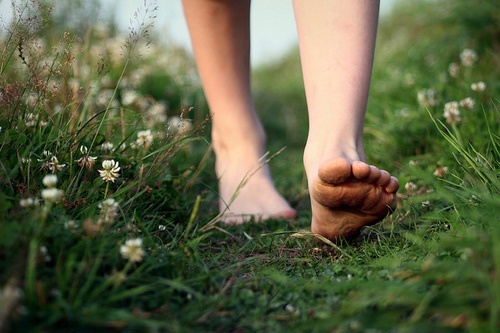
      8. Walking Barefoot In The GrassBarefoot-in-grass


    http://www.ncbi.nlm.nih.gov/pubmed/22564216

    http://www.ncbi.nlm.nih.gov/pubmed/19166570

    http://www.ncbi.nlm.nih.gov/pubmed/10658955

    http://www.ncbi.nlm.nih.gov/pubmed/12467090

    http://exploreim.ucla.edu/wellness/eat-right-drink-well-stress-less-stress-reducing-foods-herbal-supplements-and-teas/

    http://www.pcrm.org/health/health-topics/how-to-eat-right-to-reduce-stress

    https://www.google.com/url?sa=t&rct=j&q=&esrc=s&source=web&cd=1&cad=rja&uact=8&ved=0CB8QFjAAahUKEwjOsYq1wNvHAhUQCZIKHZNTDrE&url=http%3A%2F%2Fwww.stress.org.uk%2Ffiles%2Fcombat-nutritional-stress.pdf&usg=AFQjCNEqeaBW-1DQAeKGULaKm1Bq-o9kqQ

    http://www.stress.org.uk/How-food-can-help-your-stress-levels.aspx

    http://www.everydayhealth.com/diet-nutrition-pictures/how-to-reduce-stress-with-diet.aspx#01

    http://www.healthywomen.org/content/article/reduce-stress-diet-and-exercise?page=1

    www.skillsyouneed.com/ps/stress-nutrition-diet.html